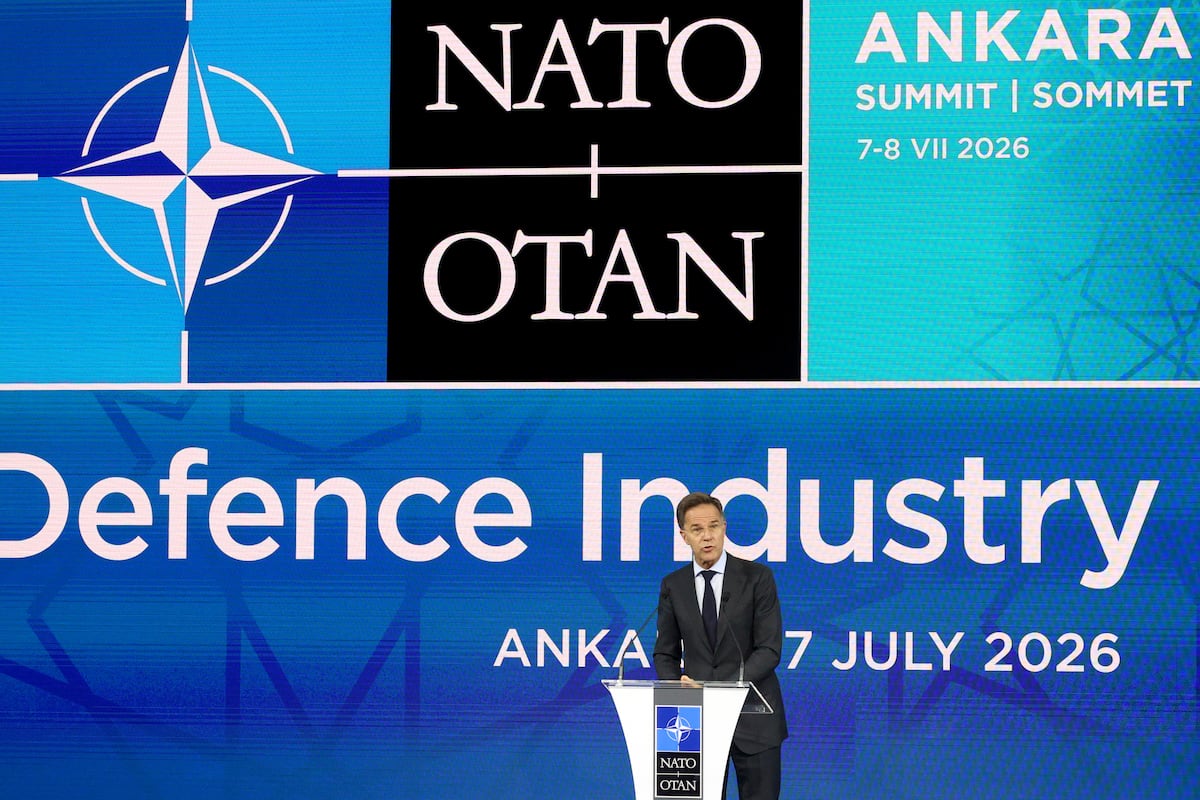
Eight NATO allies used the alliance's Ankara summit on July 7 to unveil HALO, a plan to weld their independent military satellite fleets into a single mega-constellation that officials say will deliver high-speed communications, intelligence sharing and missile tracking - without any nation giving up ownership of its birds.
Who's In HALO
Denmark, Canada, Finland, Germany, Norway, the Netherlands, Sweden and Turkey signed on to the initiative, officially named Hybrid Alliance Layered Operations in Space. NATO Deputy Secretary-General Radmila Sekerinska called it "a new chapter in allied space operations" and hinted more members will follow.
Why A Mega-Constellation, Why Now
Individual sovereign constellations are relatively easy to jam, cyberattack or blind, and they struggle to move large volumes of intelligence data on tactical timelines. Stitching them into a networked mega-constellation is designed to fix all three problems. "This new model will be particularly helpful for high-speed communications, intelligence and missile tracking, overcoming the cost, the time and coverage limitations of single-nation satellite fleets," Sekerinska said.

Preserving National Ownership
HALO's political trick is that every satellite still flies under a national flag. Countries fund, launch and operate their own hardware; NATO builds the connective tissue - shared data links, common tasking layers and interoperable ground segments. The alliance is betting the approach will be easier to fund than a jointly owned NATO fleet, and harder for a single adversary to cripple.
Other Space Announcements At Ankara
NATO's Defence Industry Forum also brought Canada into STARLIFT, the alliance's shared-launch initiative, taking membership to 15. Spain became the 19th member of NATO's Alliance Persistent Surveillance from Space program, contributing coastal imagery from its Atlantic Constellation satellites. Turkey said it will build two additional high-resolution imaging satellites to complement regional coverage. Together, the Ankara announcements read as a coordinated hardening of NATO's space layer alongside recent moves like the Eclipse Space push for sovereign constellations and the Starfish Space Series B for on-orbit servicing. For deeper context on NATO tech posture see also our recent FAMM cruise-missile coverage.
Reporting based on coverage from Defense News, Breaking Defense, Via Satellite and Payload.