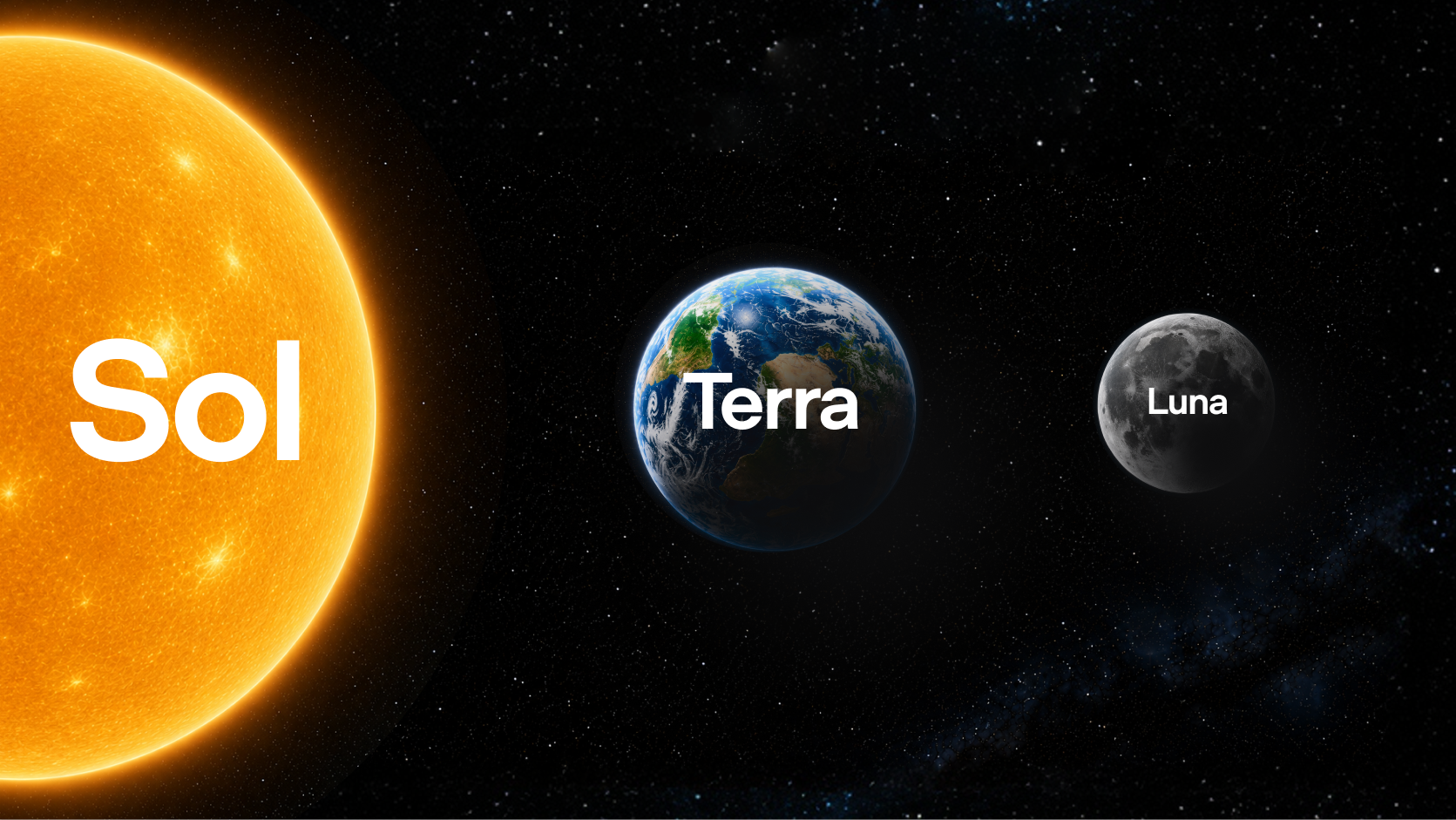
OpenAI publicly launched all three variants of its GPT-5.6 family — Sol, Terra and Luna — on Thursday, July 9, 2026, ending a two-week preview that had been restricted to a small group of government-approved partners under President Trump's cybersecurity executive order.
From trusted-partner preview to global rollout
OpenAI first previewed GPT-5.6 on June 26 with Sol described as its strongest model to date. Under the White House's June AI cybersecurity directive, the company had to submit the models for 30-day review by the Department of Commerce's Center for AI Standards and Innovation. According to Axios, additional testing and technical briefings in Washington allowed the administration to green-light a wider release well before the 30-day window expired, letting OpenAI publish the models to ChatGPT, Codex and the API on Thursday.
Three tiers, sharper cyber and coding results
Sol is positioned as OpenAI's flagship reasoning model, hitting a new state of the art on Terminal-Bench 2.1 and shifting the frontier on the ExploitBench and ExploitGym cybersecurity benchmarks. Terra targets everyday work at half the cost of GPT-5.5 while matching its performance, and Luna is the cheapest tier in the family. Pricing per million tokens starts at $5 input / $30 output for Sol, $2.50 / $15 for Terra, and $1 / $6 for Luna. OpenAI is also debuting new max and ultra reasoning modes and shipping Sol on Cerebras hardware at up to 750 tokens per second later in July.
Layered safeguards after 700,000 GPU-hours of red-teaming
Alongside sharper capabilities, OpenAI is shipping what it calls its most robust safety stack to date: real-time cyber and biology misuse classifiers, account-level review, and reasoning-model verification that can pause generations mid-token. The company dedicated more than 700,000 A100-equivalent GPU hours to automated red-teaming aimed at universal jailbreaks. GPT-5.6 Sol does not cross the Cyber Critical threshold under OpenAI's Preparedness Framework, though the company acknowledges benchmark thresholds cannot cover every real-world attack chain.
The wider release contrasts with Anthropic's Fable 5, which was briefly disabled under a similar directive before being restored on July 1. Together, the pair signal that the administration's model-review process is compressing from weeks to days as agencies iterate on their evaluation playbook — a shift developers had feared could freeze U.S. AI releases indefinitely.
Reporting based on coverage from OpenAI, Engadget and Axios.