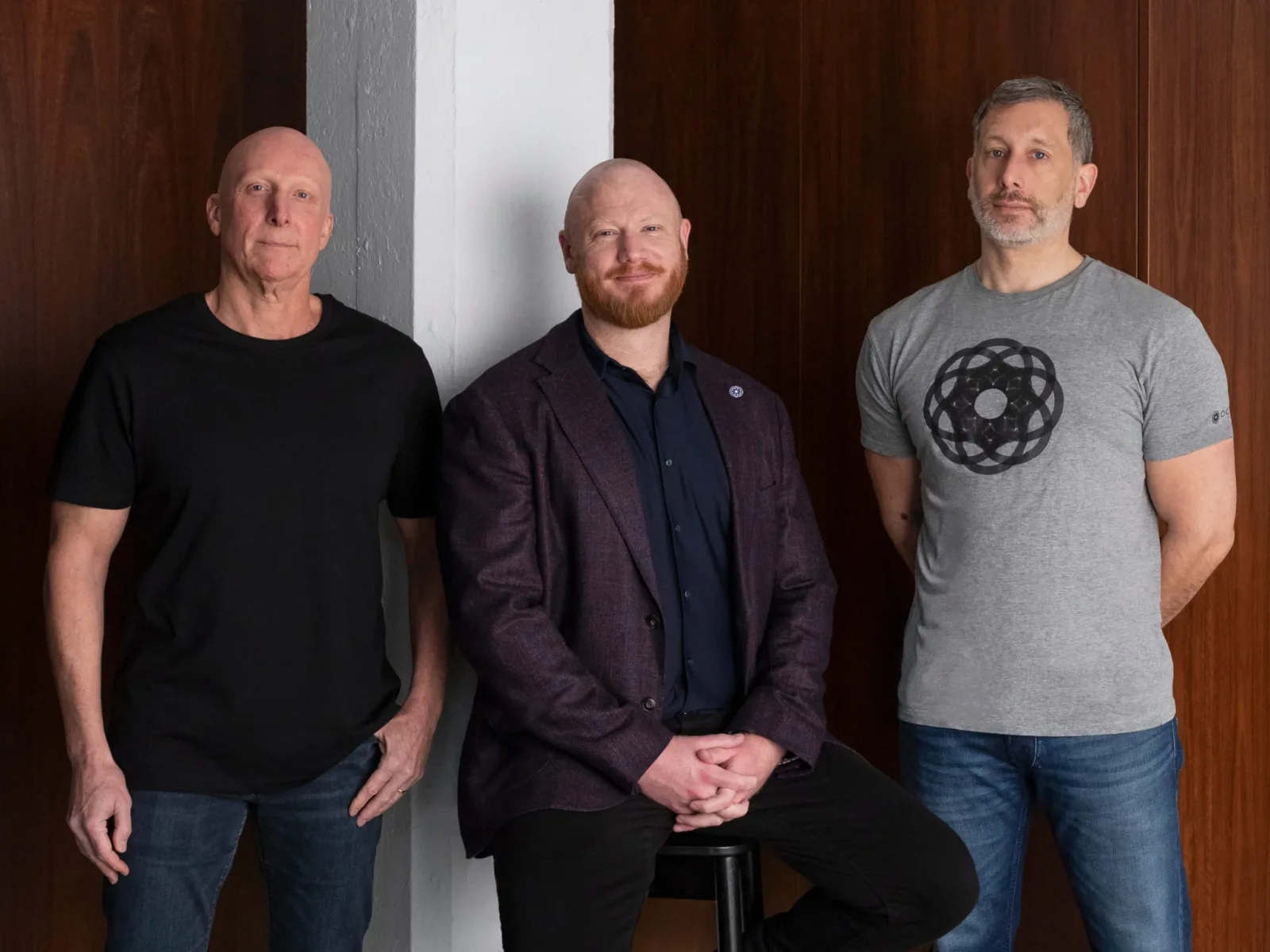
Q-CTRL, an Australian company that builds AI-powered software for quantum computing, sensing and navigation, has raised $290 million (A$415 million) in a Series C round led by Salesforce Ventures. The round, announced November 12, 2026, pushes Q-CTRL past a $1 billion valuation for the first time, according to The Quantum Insider. New investors Affinity Partners, AMD Ventures, EDGE Group, MPower Partners, Australia's National Reconstruction Fund Corporation and SPARX Asset Management joined returning backers including Bullhound Capital, Lockheed Martin Ventures, In-Q-Tel and DCVC.
What Q-CTRL Builds and Its Traction
Q-CTRL, led by CEO and founder Michael J. Biercuk, sells software that stabilizes and extracts useful output from quantum hardware and sensors, a problem the company's investors frame as harder than building the quantum machines themselves. Its most directly relevant product for robotics and autonomous systems is Ironstone Opal, a quantum navigation system the company describes as unjammable, unspoofable and undetectable because it does not rely on GPS signals at all.
Ironstone Opal is already being deployed on commercial aircraft and autonomous vehicles, and the company says its approach to quantum sensors performs up to 100 times better in field conditions than conventional alternatives. Q-CTRL has also deployed quantum materials simulation software on the IBM Quantum Platform and counts customers across finance, energy, autonomy and aerospace.
How the Money Will Be Used
Q-CTRL says the Series C will fund global expansion, deepen its software engineering capabilities and scale customer programs in the four sectors it already serves. GPS-denial has become a priority for militaries and commercial operators alike as jamming and spoofing threats grow, and quantum navigation is one of the few approaches that does not depend on external signals that can be disrupted.
Investors and Prior Rounds
Q-CTRL has now raised roughly $400 million-plus across multiple rounds, including a $113 million Series B completed in tranches between 2021 and 2024 that was led in its final close by Bullhound Capital, and a $22 million Series A in 2019 backed by Sequoia Capital, Main Sequence and Horizons Ventures. Salesforce Ventures has backed the company since an earlier round and stepped up to lead this Series C, while Lockheed Martin Ventures and In-Q-Tel's continued participation signals defense-sector interest in the navigation product specifically.
Competitors and How This Raise Compares
Q-CTRL's closest rivals in GPS-alternative navigation include inertial and celestial navigation specialists as well as other quantum-sensing startups chasing defense and aerospace contracts, but few combine quantum hardware control software with a shipping navigation product already on aircraft. In the broader quantum computing software market, Q-CTRL competes with firms like Classiq and Riverlane on error mitigation and control, though Q-CTRL's navigation business gives it a revenue path independent of when fault-tolerant quantum computers arrive. The $290 million round is among the largest in quantum software to date and reflects investors betting on near-term autonomy and defense applications rather than waiting on long-horizon quantum computing payoffs.
What to Watch Next
The key signal to track is how fast Ironstone Opal moves from pilot deployments to volume orders in aviation and autonomous vehicles, since that product is the clearest near-term revenue driver independent of the broader quantum computing timeline. Q-CTRL's ability to convert defense-linked investors like Lockheed Martin Ventures and In-Q-Tel into procurement contracts will also indicate whether the unicorn valuation is tied to real deployment rather than speculative quantum upside.