Rigetti Computing (Nasdaq: RGTI), Hewlett Packard Enterprise and Pittsburgh Supercomputing Center are joining forces to build TangleLab, a hybrid quantum-classical supercomputing testbed at PSC, funded by a $5 million National Science Foundation grant.
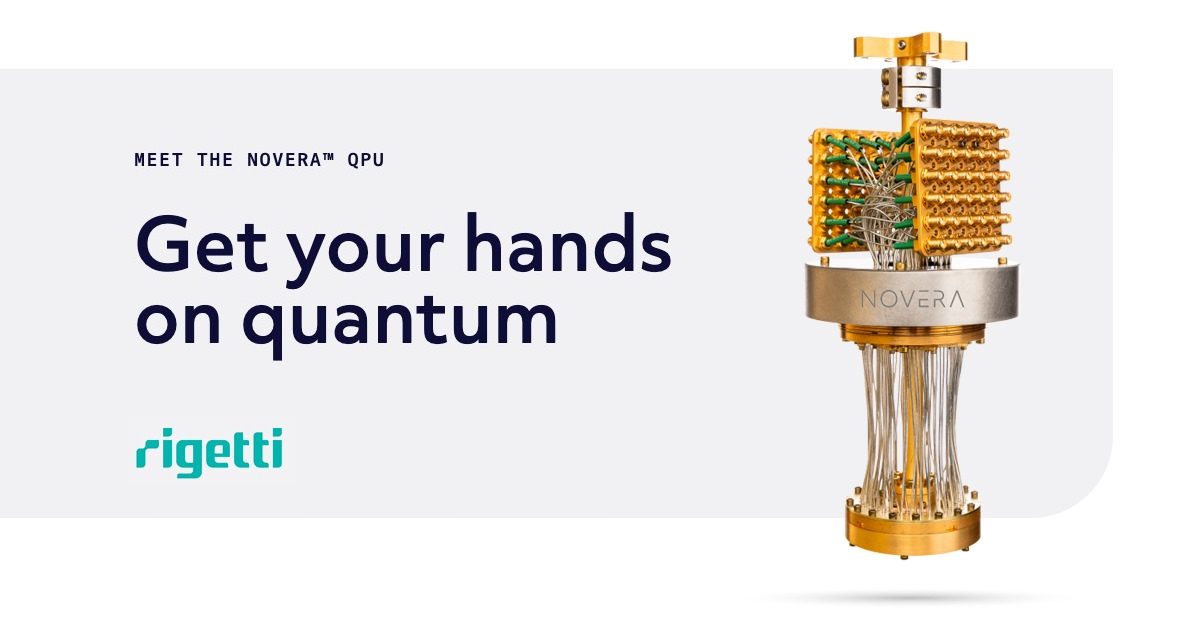
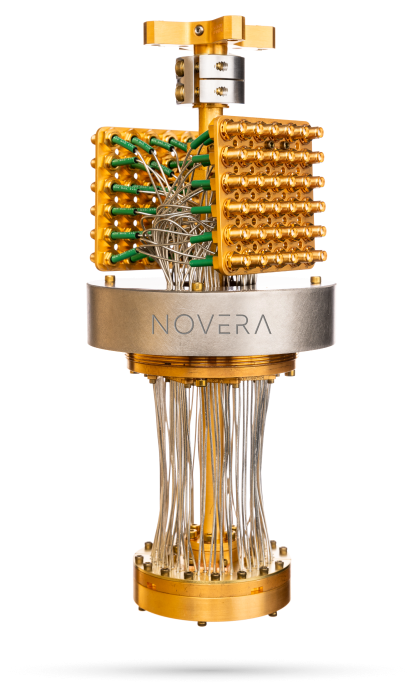
A 9-qubit Novera at the core
Rigetti will deliver a 9-qubit Novera QPU built on its Ankaa-class superconducting architecture, with tunable couplers, 99.9% median single-op fidelity and 99.6% two-qubit gate fidelity. The system offers gate speeds of 50-70 nanoseconds, roughly 10,000x faster than trapped-ion and 100x faster than neutral-atom platforms, according to Rigetti CEO Subodh Kulkarni.
HPE brings the classical muscle
Around the QPU, HPE is standing up HPE ProLiant Compute DL384 Gen12 and DL385 Gen11 servers, HPE Cray Storage Systems C500, and HPE Networking to unify quantum and HPC in a single hybrid environment. Masoud Mohseni, Senior Distinguished Technologist and Director of HPE Quantum at HPE Labs, said the fabric will let researchers benchmark and optimise quantum-classical workflows and understand how future quantum-HPC-AI systems will operate at scale.
Construction starts September 1, live in 2027
TangleLab's build-out begins at PSC's new data centre on September 1, 2026, with full operations targeted for 2027. PSC will allocate access through a competitive proposal process, mixing dedicated researcher runtime with real-time slots for university courses and workshops, and providing onboarding, training and consulting for non-specialist users. The project is funded under NSF award #2537076 and cited as a direct response to OSTP memorandum M-25-34/NSTM-2 priorities in quantum information science and AI.
The announcement extends Rigetti's public sector momentum, following its recent letter of intent with the U.S. government and IBM's verified quantum advantage claim with Qedma, Algorithmiq and the University of Oxford.
Reporting based on coverage from GlobeNewswire, Data Center Dynamics, The Quantum Insider and Quantum Computing Report.