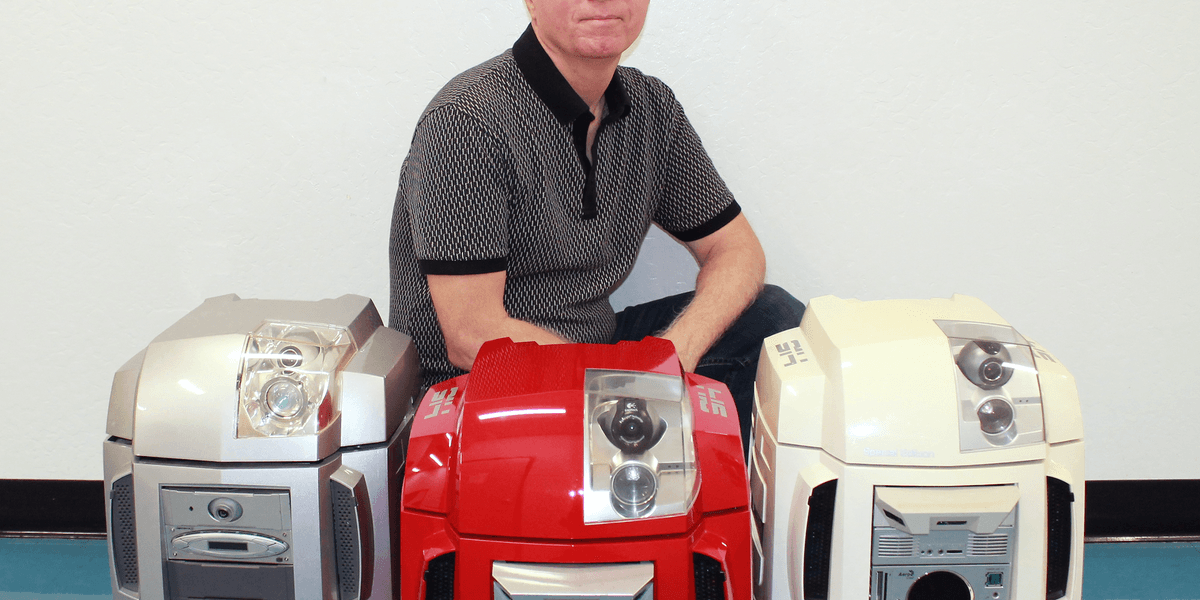
A roboticist-turned-teacher has constructed a life-size replica of ENIAC, the pioneering 1946 computer that weighed 30 tons and occupied 1,800 square feet. The project demonstrates how early computing principles continue influencing modern robotics and AI systems.
From Robotics to Computer History Education
The educator's background in robotics provided crucial insights for recreating ENIAC's complex vacuum tube architecture and programming methodology. The original ENIAC required manual rewiring for each new computation, contrasting sharply with today's software-based robot programming.
ENIAC processed calculations 1,000 times faster than manual methods, establishing foundational concepts for computational speed that modern robotics relies on. The replica helps students understand how early digital systems evolved into today's AI-powered robots.
Educational Impact on Modern Technology
The replica showcases the progression from ENIAC's 17,468 vacuum tubes to modern microprocessors powering autonomous systems. Students can physically experience the scale difference between room-sized computers and today's smartphone-controlled robots.
This hands-on approach bridges historical computing with contemporary robotics education, showing how ENIAC's binary logic systems became the foundation for machine learning algorithms and robotic decision-making processes used across industries today.