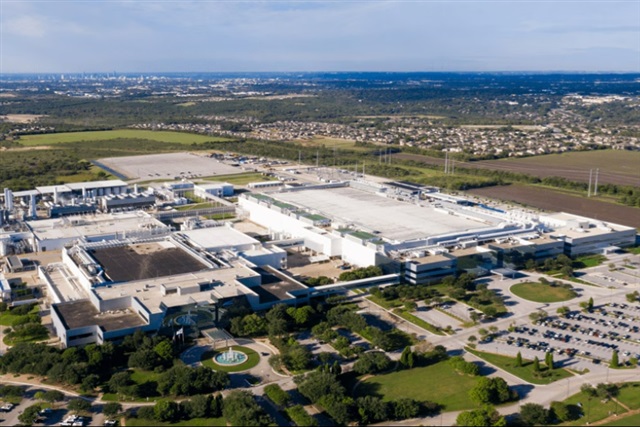
Samsung Electronics has begun asking its semiconductor equipment suppliers to complete safety-compliance groundwork for a second foundry fab in Taylor, Texas, months before construction is scheduled to begin, according to a DIGITIMES report citing ZDNet Korea. The push is a signal that Samsung Foundry is trying to move faster than the typical fab build cycle as TSMC's leading-edge lines fill up.
SEMI certification before specs are finalised
Suppliers of process tools normally begin the SEMI safety certification process only after a factory's final specifications are locked in. Samsung has flipped that order: it wants suppliers to secure certification now so that when the shell of Taylor Fab 2 is ready, tools can move straight from Korea, Japan, the Netherlands and the United States into hookup rather than waiting on paperwork. SEMI certification is an industry-standard evaluation that semiconductor tools must pass before they can be shipped internationally, covering electrical, mechanical, chemical and radiation safety.
Concrete plans by year-end, output in 2030
Concrete construction specs for Taylor Fab 2 are expected to firm up by the end of 2026, with production targeted for 2030. The second Taylor line will sit next to Samsung's first Taylor fab, which is already being tuned for 2nm gate-all-around production for customers including Tesla, whose AI5 accelerator is nearing tape-out on that node. Samsung Foundry already lifted 4nm and 5nm prices by up to 15% earlier this month as AI demand fills its remaining capacity, and it has been picking up big-ticket work — including Meta's $6.5B 2nm MTIA deal and Google's next-generation TPU I/O die.
Why the rush
Global foundry capacity is unusually tight. TSMC captured about 72% of pure-foundry revenue in Q2 2026 and is reported to be sold out through 2028 at 3nm and below, and hyperscalers are actively courting a second source. Getting Taylor Fab 2 online closer to 2029-2030 rather than 2031-2032 would let Samsung capture some of that overflow demand before the next round of node transitions. It also strengthens Samsung's positioning against Intel Foundry and TSMC's own Arizona expansions.
Reporting based on coverage from DIGITIMES.