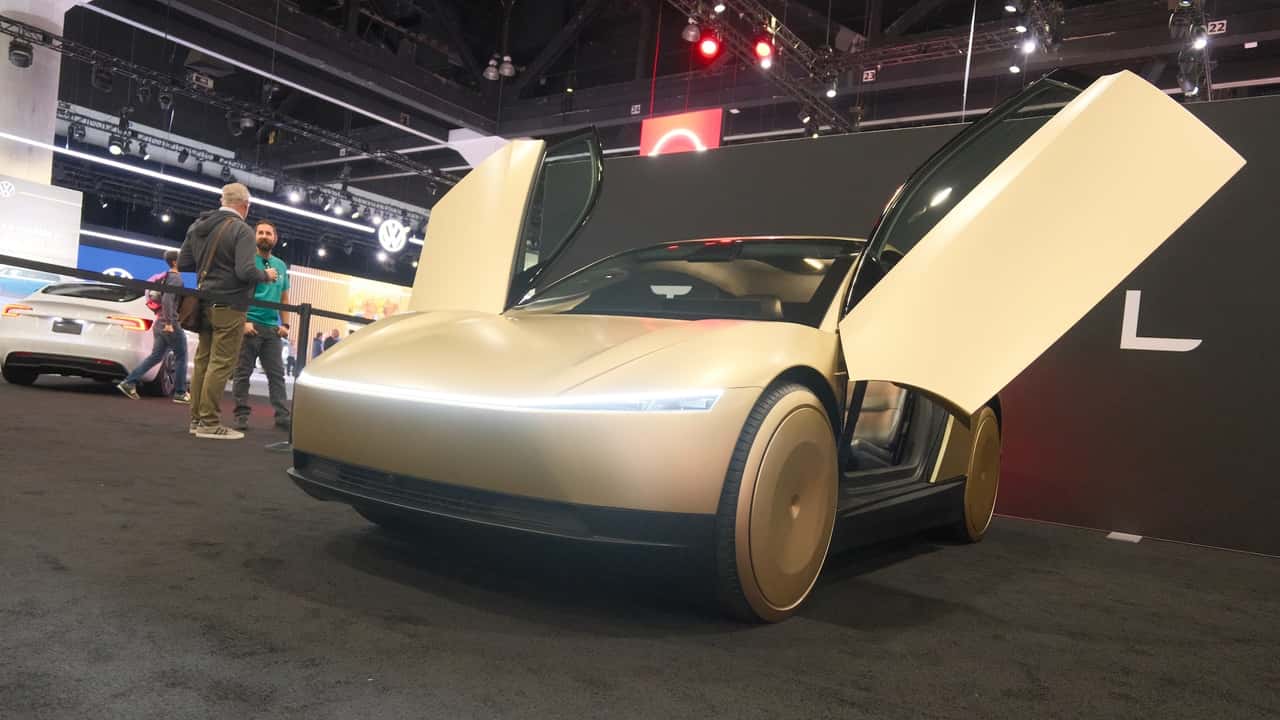
Tesla has started inviting select customers to order the Cybercab for personal ownership at $29,990, undercutting the Model 3 by roughly $7,000 to become the company's cheapest vehicle, according to InsideEVs. The offer surfaced on November 13 through Tesla's order system for hand-picked buyers in Austin.
The two-seat, steering-wheel-free vehicle cannot operate without an active $299-per-month Autonomy Subscription; Tesla's order terms state the car simply will not drive without a paid, current subscription. The first month is included with purchase, and buyers must also put down a $1,000 non-refundable deposit. Tesla's Autonomy Subscription Agreement restricts the vehicle to personal, non-commercial use. Deliveries could begin as soon as next month, though Tesla has not said when, or if, the offer will expand beyond a hand-picked customer list.
A different ownership model for self-driving cars
The Cybercab's structure marks a break from how Tesla has sold autonomy before. Previous Tesla vehicles shipped with manual controls and sold Full Self-Driving as an optional add-on that owners could decline. The Cybercab has no steering wheel at all, meaning the subscription isn't optional convenience software, it's the only way the car functions. That ties Tesla's recurring revenue directly to a vehicle that can't be driven any other way.
It also puts Tesla in a different competitive lane than Waymo and Zoox, both of which operate owned or leased robotaxi fleets rather than selling driverless vehicles to private individuals. If deliveries proceed, the Cybercab would be among the first SAE Level 4-capable vehicles an ordinary consumer could purchase outright rather than hail through an app, assuming the car performs reliably without a safety driver inside Tesla's designated service areas.
Open questions
Tesla has not disclosed how many customers received invitations, which specific Austin neighborhoods are covered, or what happens if a subscription lapses mid-trip. The company also hasn't addressed resale terms or whether the restriction to personal use will hold up legally if an owner tries to use the car for ride-hailing. Those details, along with confirmation of the December delivery window, are likely to surface as the first Cybercabs reach driveways.