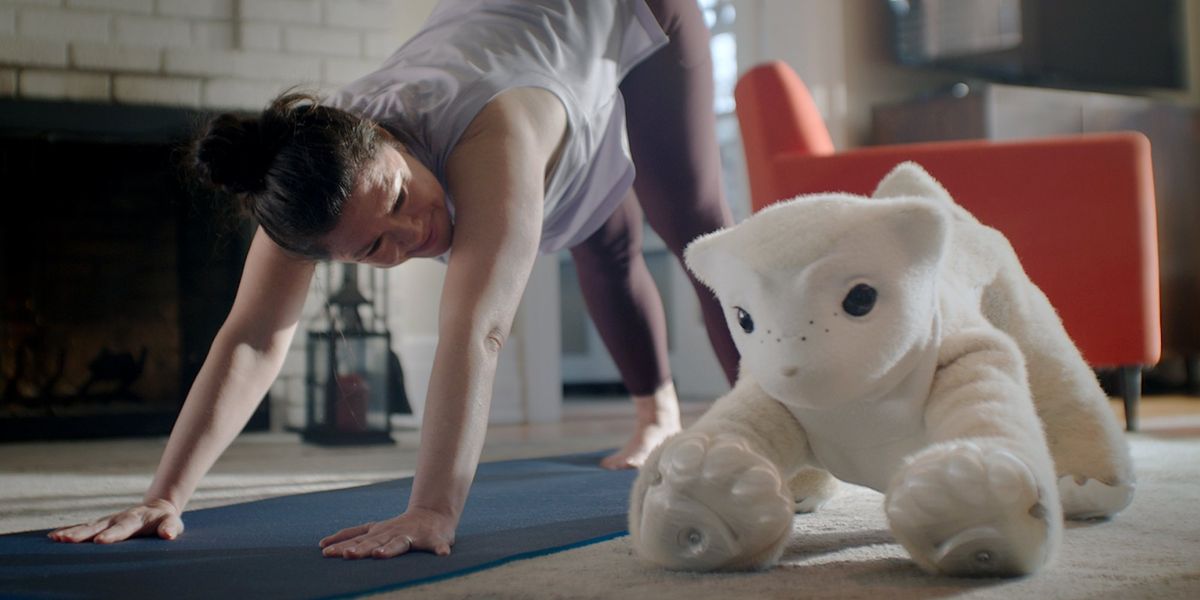
Therapeutic robot companions are expanding from entertainment into home fitness, with devices like Sony's Aibo and Qoobo leading the shift toward emotionally supportive workout partners rather than data-focused fitness trackers.
Beyond Traditional Fitness Tech
Unlike conventional fitness apps that monitor calories and repetitions, these physical AI companions provide tactile comfort and consistent presence during workouts. The robots offer emotional support without judgment, addressing the loneliness factor that causes many people to abandon exercise routines.
Sony's robotic dog Aibo, originally designed as a pet replacement, now finds applications in therapeutic settings. Qoobo, a cushion-like robot with a responsive tail, provides similar comfort through physical interaction that screens cannot replicate.
Market Shift Toward Emotional AI
The therapeutic robotics market is growing as developers recognize that human-robot interaction extends beyond efficiency metrics. These companions focus on motivation through companionship rather than performance data, marking a significant departure from traditional fitness technology approaches.
The trend reflects broader developments in AI systems designed for emotional connection, where physical presence and consistent availability create sustainable fitness habits through psychological support rather than competitive tracking.