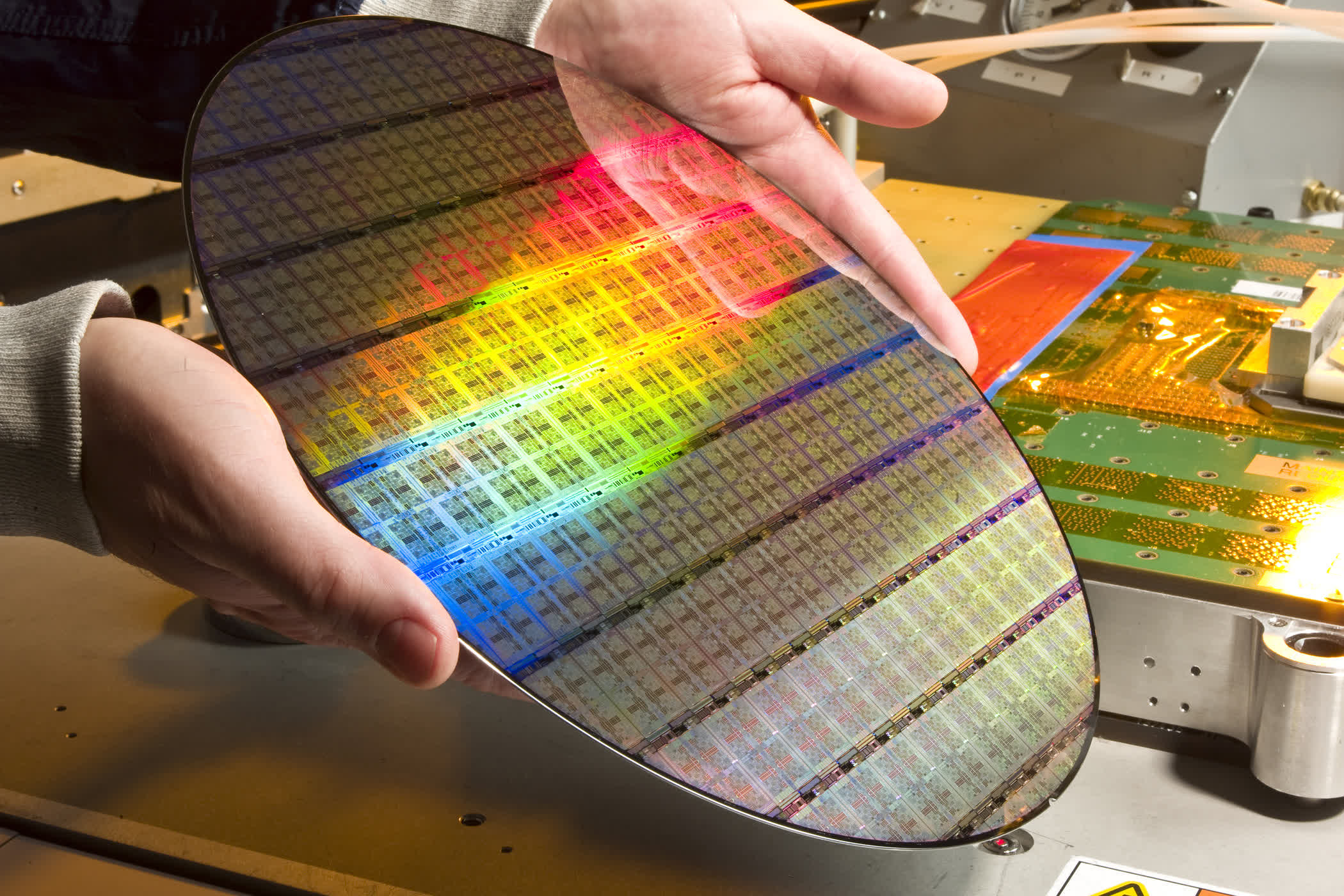
TSMC has notified its largest wafer customers that it will raise base prices on both advanced and mature process nodes by 5% to 10% from the start of 2027, with additional 10-15% surcharges for high-performance-computing capacity beyond original booking projections, according to a Nikkei Asia report picked up this week by Tom's Hardware, TechSpot, TrendForce and Bits&Chips. It is the world's largest foundry's first broad price move in more than three years and lands as AI chip demand keeps advanced-node capacity effectively sold out.
Which nodes, which customers
Internal customer discussions ran between June and July 2026 and initially centered on 7nm and finer nodes — the 3nm, 4nm and 5nm processes that today print silicon for Nvidia's Blackwell and Rubin, Apple's A- and M-series, AMD's Zen 6 and Instinct MI400, MediaTek's Dimensity flagships, Qualcomm's Snapdragon 8-series, Google's TPU v7 and Amazon's Trainium3. TrendForce estimates smartphone and mobile chips will absorb roughly 5%, CPUs around 7% and HPC/AI accelerators the full 10%. The hikes will also extend to 12nm, 16nm and 28nm mature nodes used for sensors, power ICs and automotive parts.
Why now — AI demand meets tariff pressure
TSMC's advanced-node fabs are operating at effective 100% utilization while the company pours capex into its Arizona expansion — now targeting at least four more 2nm fabs on top of the initial Phoenix build — and Kaohsiung, Taiwan facilities. The price move counterbalances tariff exposure, currency swings and rising equipment costs, while giving TSMC room to close the profit-margin gap with memory suppliers whose prices have quintupled since 2025. CEO C.C. Wei has warned that customer demand will "outstrip supply for a long time."

Ripples for AI hardware roadmaps
Higher wafer costs will land on top of ongoing HBM3E/HBM4 surcharges from Samsung's $884M Onyang HBM expansion, NVIDIA's $1.5B advanced-packaging deal with Amkor and Intel's move to bring in an Ohio fab operating partner. The premium is likely to feed through to consumer prices on next-generation GPUs, PCs, smartphones and AI servers by mid-2027. TSMC's chairman Mark Liu has said the group will "take a less aggressive approach" than memory suppliers, but the additional HPC-only surcharge suggests hyperscalers ordering additional AI capacity will bear a disproportionate share of the increase.
Reporting based on Nikkei Asia's July 22, 2026 exclusive and follow-up coverage from Tom's Hardware, TechSpot, TrendForce, Bits&Chips and DIGITIMES.