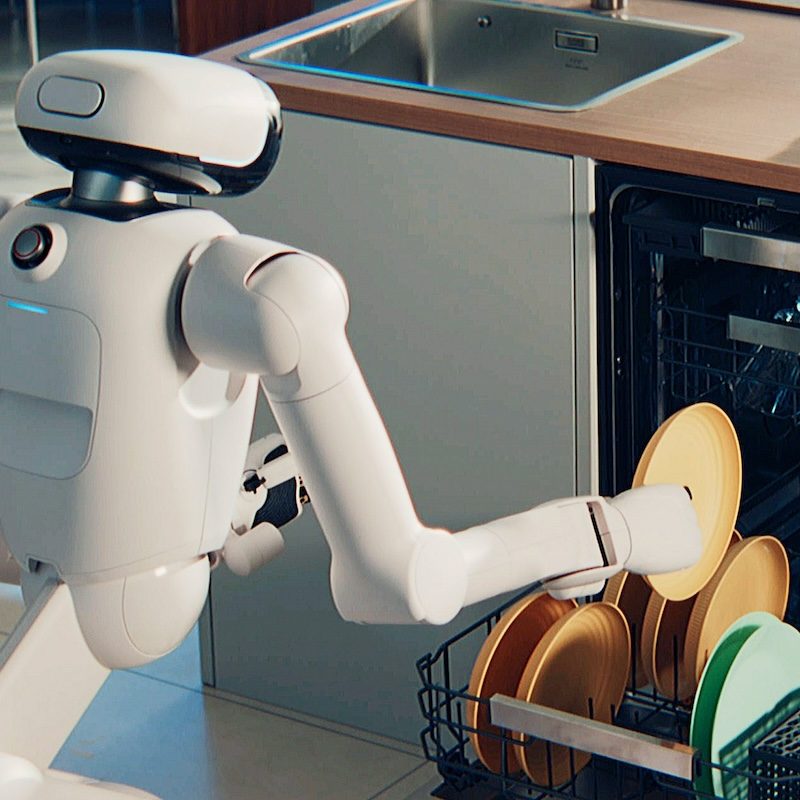
Tokio Marine HCC International (TMHCCI) and British insurer Adrian Flux launched what they describe as the UK's first home insurance policy for domestic humanoid robots on October 31. The cover is underwritten by the Houston-based TMHCCI and distributed through Adrian Flux, a specialist UK motor and home insurer.
The policy covers damage to or theft of the robot itself, sudden damage the robot causes to a home or belongings, personal liability if the robot injures someone or damages property, and emergency recovery or safe disablement if a robot malfunctions. The companies say it is designed for an emerging category of household machine that does not fit neatly into existing home contents or liability policies.
"A robot that costs thousands of pounds is not something you want sitting outside your insurance policy," said Stuart Heath of TMHCCI. Gerry Bucke of Adrian Flux called it "the first of its kind in the UK," adding that, "like the driverless car policy we launched in 2016, it will be updated as the technology and the risks evolve."
Why Insurers Are Moving Before the Robots Arrive
No general-purpose humanoid robot is yet sold as a mainstream UK consumer product, but the companies pointed to early US preorders for home humanoid robots priced near $20,000 as evidence that household robots are close enough to market to need coverage now rather than later. Adrian Flux's comparison to its 2016 driverless car policy is deliberate: that product was written years before autonomous vehicles were legally permitted on UK roads, giving the insurer a template for pricing risk on a technology still being commercialized.
The move puts insurance ahead of several home humanoid robot programs working toward 2027 consumer availability, including efforts from companies such as 1X and Figure that have discussed bringing general-purpose robots into houses for chores and assistance. None of those robots are yet sold at scale in the UK, which makes this policy as much a marketing signal of confidence in the category as a response to existing demand.
A Precedent for How Robot Liability Gets Priced
Humanoid robots operating inside private homes raise liability questions that industrial deployments, which are typically covered by commercial policies and operate in controlled warehouse or factory settings, do not. A robot that trips, drops an object, or malfunctions near a child or an elderly resident creates a personal-liability exposure that home insurers have had little actuarial data to price until now.
TMHCCI and Adrian Flux's answer borrows directly from how the insurance industry handled driverless cars a decade ago: write a narrow policy early, gather claims data as adoption grows, and widen or adjust coverage over time. Other insurers are likely to watch how this product performs before launching competing policies, particularly as regulators in the UK and EU begin to examine how home robots should be certified and insured as a category distinct from industrial machines.
The launch gives no indication of pricing, and the companies did not name which robot manufacturers' products would qualify for cover. Both details are expected to become clearer once named humanoid robots begin shipping to UK consumers.
Source: Robotics & Automation News