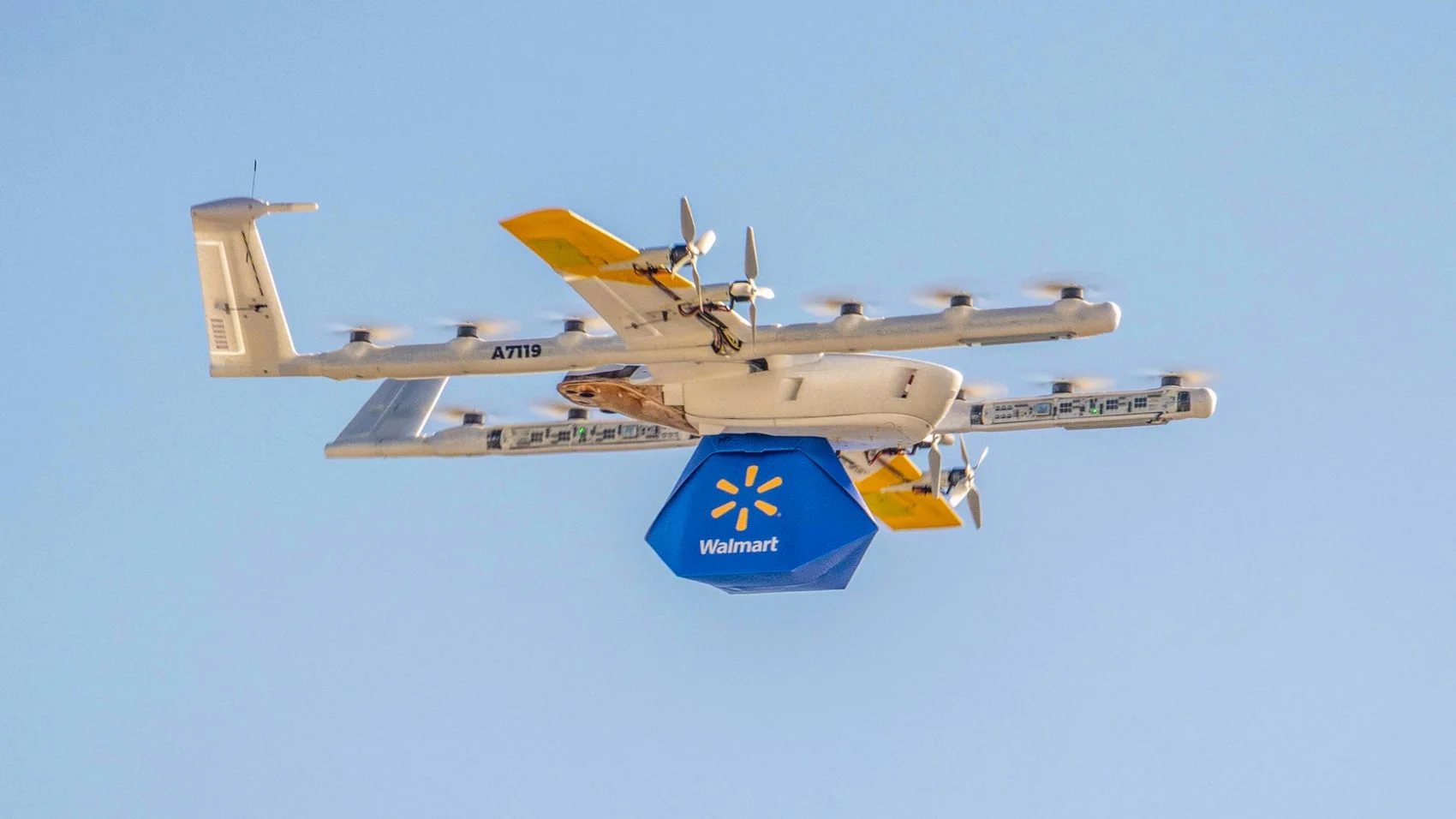

Walmart announced on May 29, 2026 that its U.S. drone delivery network has crossed 1 million customer flights, a milestone that turns the retailer into the largest commercial drone-delivery operator in the country. The eye-catching detail: 40% of that million landed in a single quarter, Walmart's fiscal Q1 of FY27, signaling that the technology is moving from pilot to staple.
The Numbers Behind the Milestone
Walmart now operates drone delivery from 66 stores across four states and five metro markets, with Texas alone accounting for more than 200,000 of those deliveries. The retailer says the average time from order to drop is 23 minutes, with its fastest logged delivery clocking in at 4 minutes and 44 seconds. The company is not flying drones itself. Instead, it runs two parallel partnerships with Wing, Alphabet's drone subsidiary, and Zipline, the autonomous logistics company that recently disclosed more than 2 million commercial drone deliveries worldwide.
Why 40% in One Quarter Matters
The pace of growth is more interesting than the headline number. Drone delivery has been a "five years away" story for a decade, and most retailers have treated it as a marketing exercise. Walmart's Q1 surge suggests the company has crossed a tipping point where regulatory approvals, store-side logistics and consumer adoption finally line up. The current footprint is a tight cluster of stores rather than national coverage, but Walmart has signaled plans to bring the service to more than 270 locations stretching from Los Angeles to Miami by 2027.
Wing, Zipline, and a Dual-Partner Strategy
Running two operators in parallel hedges the regulatory and operational risk that has hurt prior drone programs. Wing leans on its fully autonomous fleet and Alphabet's airspace operations stack, while Zipline brings high-volume logistics experience from its African medical deliveries and U.S. healthcare contracts. The combined model lets Walmart match the right drone profile to the right city without locking itself into a single vendor's airframe.
How It Fits the Broader Drone Boom
The milestone arrives as Washington and industry investors are pouring capital into uncrewed aviation, from defense programs like the Pentagon's 200,000-drone push to commercial-grade buildouts like Powerus's Phase II qualification for the Pentagon's $1B Drone Dominance program. The same FAA waivers and airspace integration work that the defense ecosystem is pushing for also benefit civilian fleets like Walmart's.
What to Watch Next
The next benchmark is whether Walmart can compound the Q1 trajectory through a full year of growth, especially as FAA "no drone zones" tighten airspace over the FIFA World Cup and other high-traffic events. If the retailer keeps logging weekly growth and Wing and Zipline can hit availability targets, drone delivery will quietly become a default option rather than a novelty in much of the southern United States.
Reporting based on coverage from Walmart Corporate, DroneXL, DroneLife and Wing.