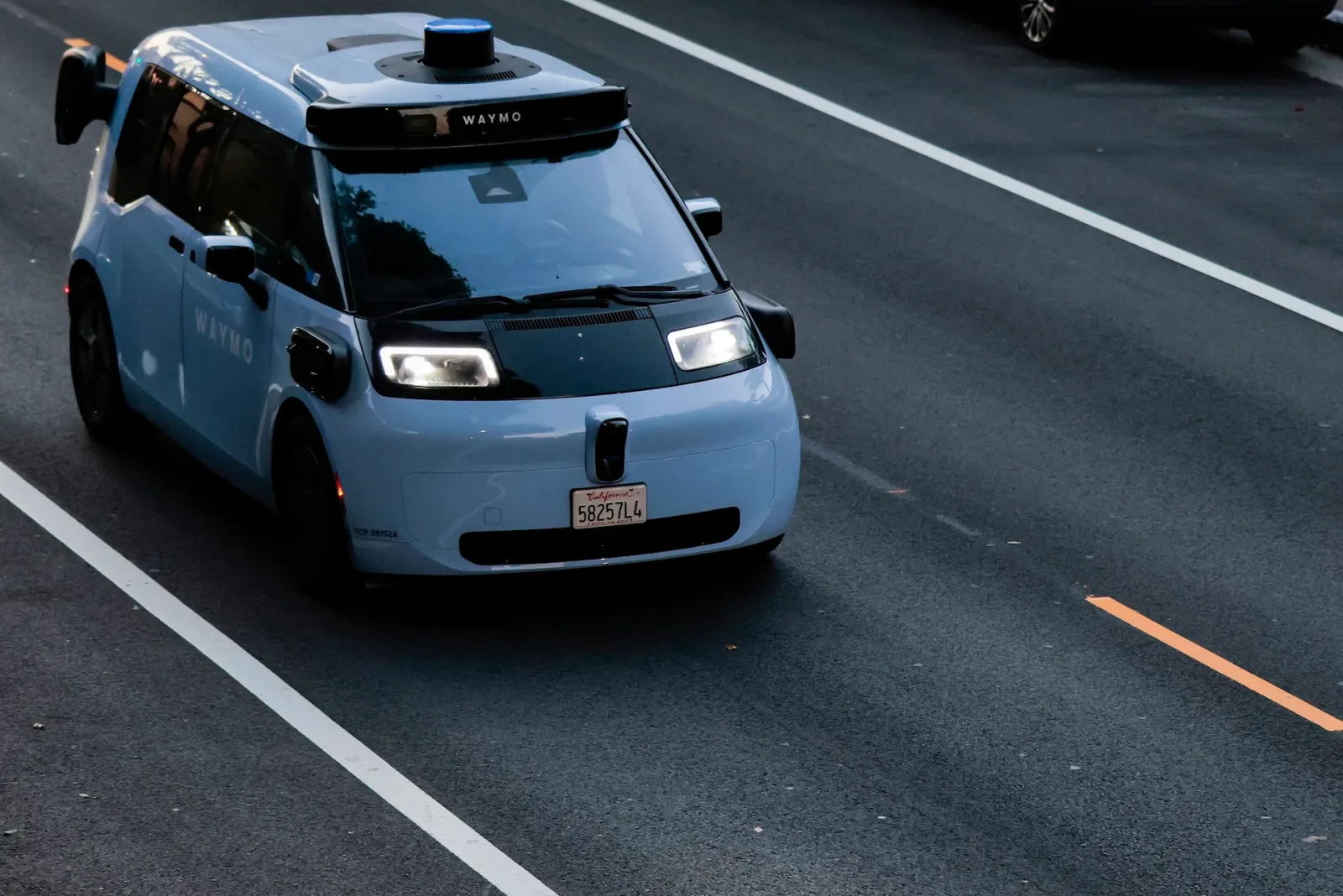
Three Waymo vehicles rolled past a line of orange cones and into a closed lane on U.S. Route 101 south of San Francisco on Nov. 9. It was the same mistake the company says it had already tried to fix three days earlier. On Nov. 19, Waymo filed two voluntary recalls with federal regulators covering more than 4,400 vehicles, after robotaxis entered closed freeway lanes 11 times since Oct. 1.
The filings, reported by multiple outlets including Gizmodo, affect both the fifth- and sixth-generation Waymo driving systems. Eight of the 11 incidents happened between Oct. 1 and Nov. 6, when cars drove into lanes closed by cones, highway patrol warnings or active construction. Three more followed on Nov. 9, days after Waymo had updated its operating rules specifically to cut down on that exposure. Only two of the 11 incidents had previously been made public. Waymo said no collisions or injuries resulted from any of them, and that a software remedy is still in development.
A second, related recall addresses how Waymo vehicles respond to manual traffic control, after a vehicle was recorded trying to maneuver around a California Highway Patrol cruiser during a traffic break. "These are standard steps in our rigorous safety approach to validating and refining our technology as we scale to more complex driving environments," a Waymo spokesperson said.
Regulatory Pressure Builds From Two Directions
The recalls land just over a week after California's DMV barred Waymo from operating on the state's freeways, calling the repeated incursions into active construction zones "an imminent hazard to public safety due to recurring incursions by its vehicles into active construction zones where construction workers, vehicles and equipment are present." That state-level freeway ban and this week's federal recall filings are separate actions but stem from the same underlying pattern of behavior, giving Waymo two regulators to satisfy before it can resume full freeway service in California.
It is also not Waymo's first freeway-related recall this year. The company issued a similar recall in June 2026 covering thousands of vehicles for comparable construction-zone violations, suggesting the fix applied then did not fully resolve the underlying perception or mapping gap that lets a Waymo vehicle miss a line of cones.
Why the Timing Matters for the Robotaxi Race
The recalls arrive as rivals are accelerating rather than pulling back. Uber, Nuro and Lucid pulled safety drivers from their own Bay Area robotaxi testing this week, and Tesla has pushed its Cybercab into Dallas while touting more than six million autonomous miles on its public counter. Every incident that becomes a recall or a regulatory order sharpens the contrast between companies racing to scale driverless service and the safety case each still has to make to regulators, insurers and the public.
Freeway driving matters disproportionately to Waymo's unit economics, since highway trips let the company cover longer distances per ride. A prolonged freeway restriction in California, its largest and most mature market, would blunt the company's biggest commercial advantage over curb-to-curb urban competitors just as that race intensifies nationally.
Waymo has not given a timeline for when the recall remedy will be ready or when it expects California to lift the freeway ban. Both processes will likely need to run their course before the company can claim it has closed the gap between its own safety validation and what regulators are willing to accept on open highways.