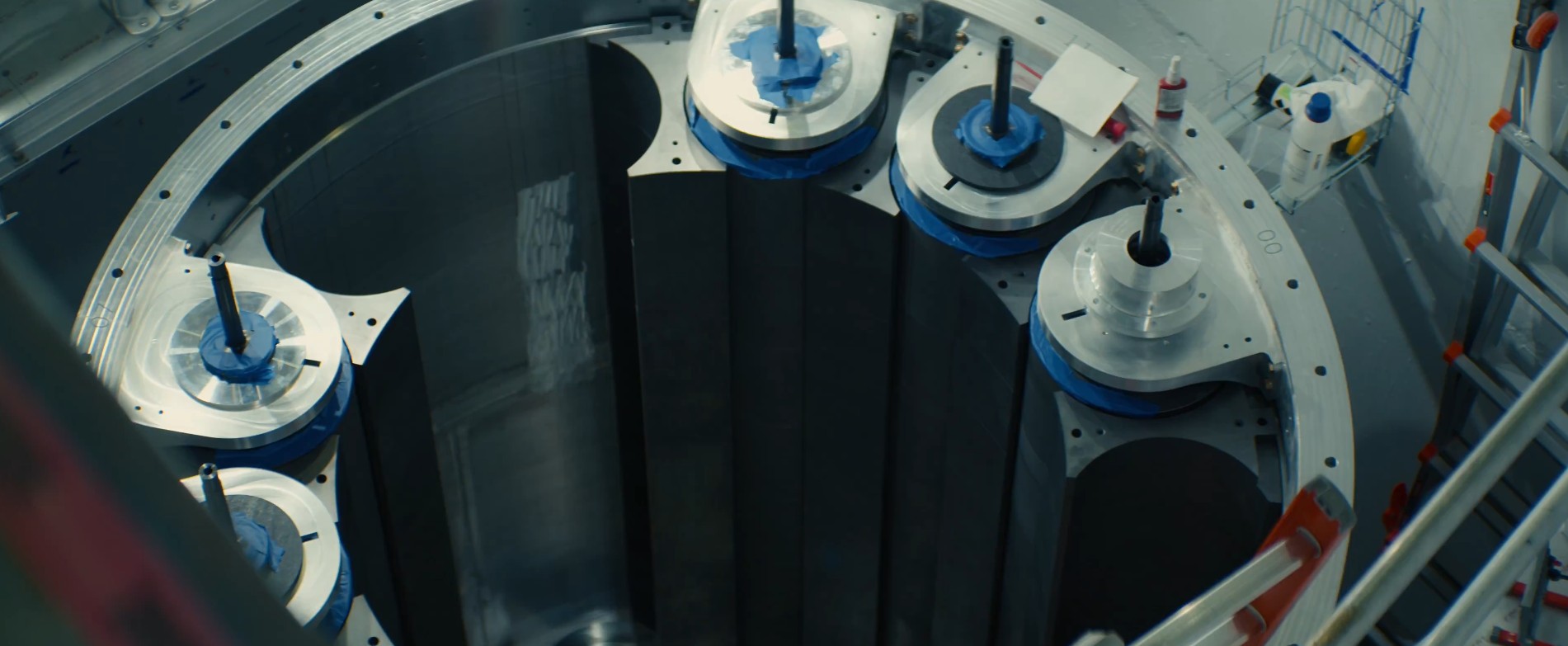
The Antares Nuclear Mark-0 test reactor reached zero-power criticality at Idaho National Laboratory on June 4, 2026, becoming the first privately developed non-light-water reactor to go critical in the United States in more than four decades.
What "initial criticality" means
The Mark-0 was only brought to the minimum power needed to sustain a self-running nuclear chain reaction. There is no measurable thermal output and no active cooling required at this stage. The point of the test is to validate the reactor's computational physics models, core geometry, control-rod performance and initial neutronic behavior before scaling up to a power-producing version.
First milestone under the DOE Reactor Pilot Program
Antares is the first company in the Department of Energy's Reactor Pilot Program to receive authorization and complete a fueled criticality test. Launched in 2025 under Presidential Executive Order 14301, the program is targeting at least three advanced reactors at criticality by July 4, 2026, using the DOE's federal-lab authorization pathway rather than the standard NRC commercial licensing route.
Inside the Mark-0 design
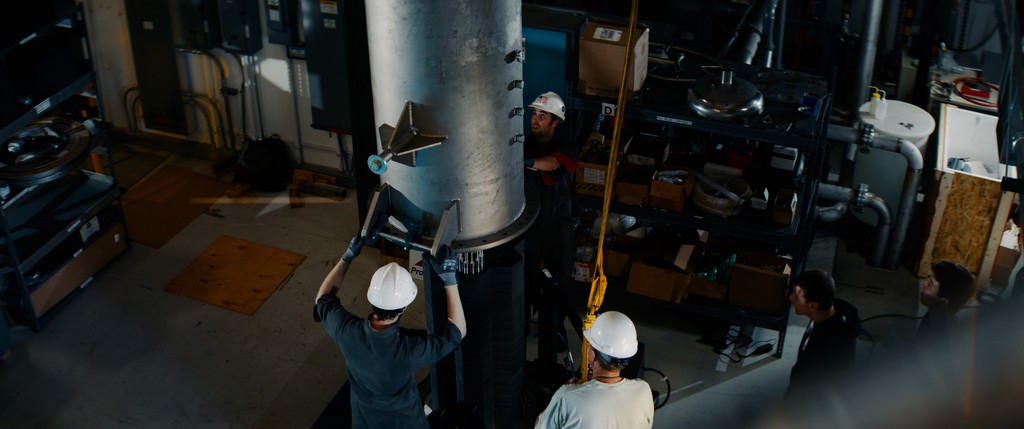
The Mark-0 and the planned Antares R1 are high-temperature solid-state microreactors targeting 100 kW to 1 MW of electrical output. Fuel is High-Assay Low-Enriched Uranium (HALEU) formed into millet-sized TRISO pebbles enriched to 19.75%. Cooling is handled by liquid-sodium heat pipes — sealed steel tubes with no pumps or moving parts that continue to cool the core even after a total loss of power. The modular architecture is built for factory assembly and can be combined into larger units as demand grows.
Military first, civilian next
Antares was developed to meet US Army and Air Force deployment requirements and has been selected for installation at Joint Base San Antonio by 2028. The criticality test fits the broader US push to relicense and accelerate small reactors — see our earlier coverage of the DOE's $400 million Tier-1 SMR awards to TVA and Holtec, X-energy's Xe-100 UK regulatory filing and Day & Zimmermann's contract for Deep Fission's Gravity reactor. Antares says it expects to produce electricity from the design by 2027.
Reporting based on coverage from New Atlas, the US Department of Energy and BusinessWire.