GO Inc, Japan's dominant taxi-hailing platform, debuted on the Tokyo Stock Exchange Growth Market on June 16, 2026, climbing as much as 21% to close near 2,910 yen and capping the country's largest initial public offering of the year. The listing turns one of Japan's most-used apps into a public company - and a publicly traded option on the future of autonomous mobility.
A top-of-range debut
GO priced at 2,400 yen per share, the top of its 2,350-2,400 range, raising roughly 88.6 billion yen (about $553 million) and reaching a market capitalization near 186 billion yen. The offering was heavily oversubscribed, drew more than 180 institutions to its international tranche and was backed by cornerstone investors including BlackRock, Wellington Management and M&G. Goldman Sachs, which invested 10 billion yen in 2023, was an early backer.
Profitable scale, not a concept
GO is not a speculative mobility bet. Built from JapanTaxi and DeNA's MOV business and rebranded in 2023, it holds roughly 80% of Japan's mobile taxi-dispatch market with more than 35 million downloads across 45 of 47 prefectures. App-dispatched rides rose 25% to 96.3 million in the year ended May 2025, with revenue of 31.4 billion yen and a turn to consolidated profitability - a cleaner story than many Western late-stage startups still waiting for an IPO window.
The Waymo connection
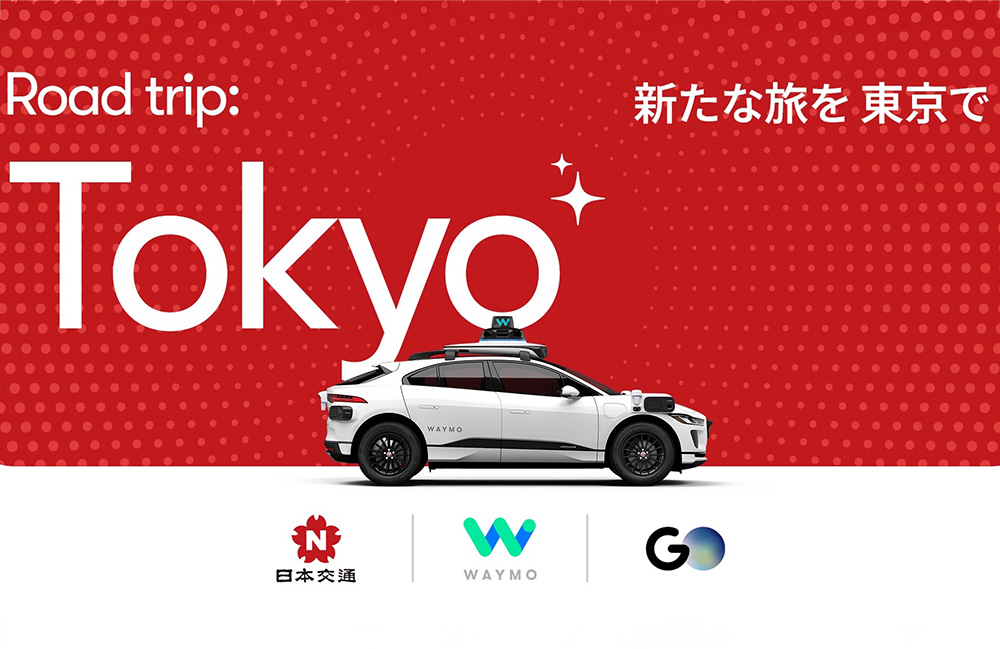
GO, Alphabet's Waymo and Tokyo's largest taxi operator, Nihon Kotsu, announced a three-way partnership in December 2024 to bring Waymo Driver technology to Tokyo. Nihon Kotsu drivers have been manually mapping central wards since April 2025, and Waymo executives have said a commercial launch could be ready within months. When a rider books an autonomous Waymo in Tokyo, the trip will flow through GO's app.

A signal for mobility exits
The debut offers a benchmark for mobility platforms eyeing public markets, echoing recent listings such as Einride's Nasdaq arrival. It also lands as global robotaxi competition intensifies, from the Stellantis-Wayve-Uber alliance to Mobileye's planned U.S. service.
Reporting based on coverage from Bloomberg, Startup Fortune, Tech Times and The Robot Report.