
CE mark on the way
Science Corporation, the brain-computer interface startup founded in 2021 by former Neuralink president Max Hodak, has filed its CE-mark application for the PRIMA wireless sub-retinal implant. The submission marks a major step toward a first commercial launch in Europe, which Science says it expects in the second half of 2026 once approval lands. Germany is the company's planned launch market thanks to its early-access pathway for novel medical technologies.
What PRIMA does
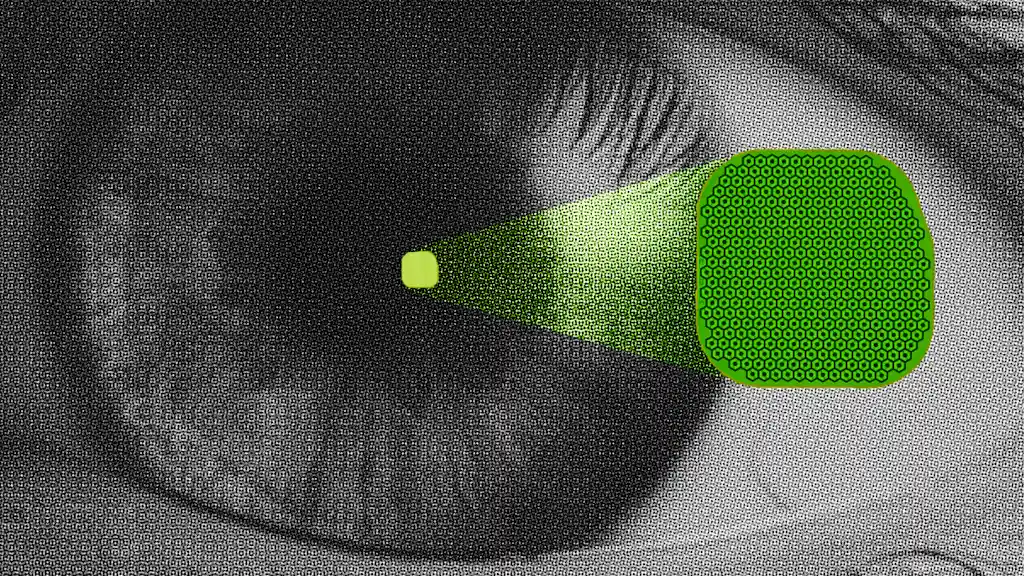
PRIMA is a wireless 2 mm² photovoltaic chip implanted under the retina. Worn glasses capture the visual scene, project a near-infrared pattern into the eye and the sub-retinal chip converts that into electrical stimulation of inner-retinal neurons — restoring functional central vision in patients whose photoreceptor cells have died. The system is designed for advanced dry age-related macular degeneration (geographic atrophy), one of the leading causes of irreversible vision loss in adults over 60.
Trial expansion
Science Corp said its pivotal European study showed 38 blind patients regaining functional central vision well above chance after implantation. The company is now expanding the PRIMA program to two more indications: Stargardt disease and retinitis pigmentosa, inherited retinal conditions that strike much younger patients. The initial expansion trial will run at Sydney Eye Hospital under Dr. Matthew Simunovic.
Capital and competition
The CE filing comes weeks after Science Corp closed a $230 million Series C in March 2026, bringing total funding to roughly $490 million since 2021. The company sits between two adjacent fields — neural implants (where Neuralink and Synchron are racing on motor BCIs) and ocular prosthetics (where Pixium Vision originally developed the underlying technology before its assets were absorbed by Science). For broader context on advanced prosthetic tech, see our coverage of Sumbu's consumer exoskeleton launch.
What's next
Science has not disclosed a U.S. regulatory timeline for PRIMA but has said European reimbursement conversations are already underway. Hodak has framed the device as the "first product" in a longer BCI roadmap that also includes motor and cognitive interfaces.
Reporting based on coverage from Science Corporation press materials, TechCrunch, MedTech Dive and BusinessWire.