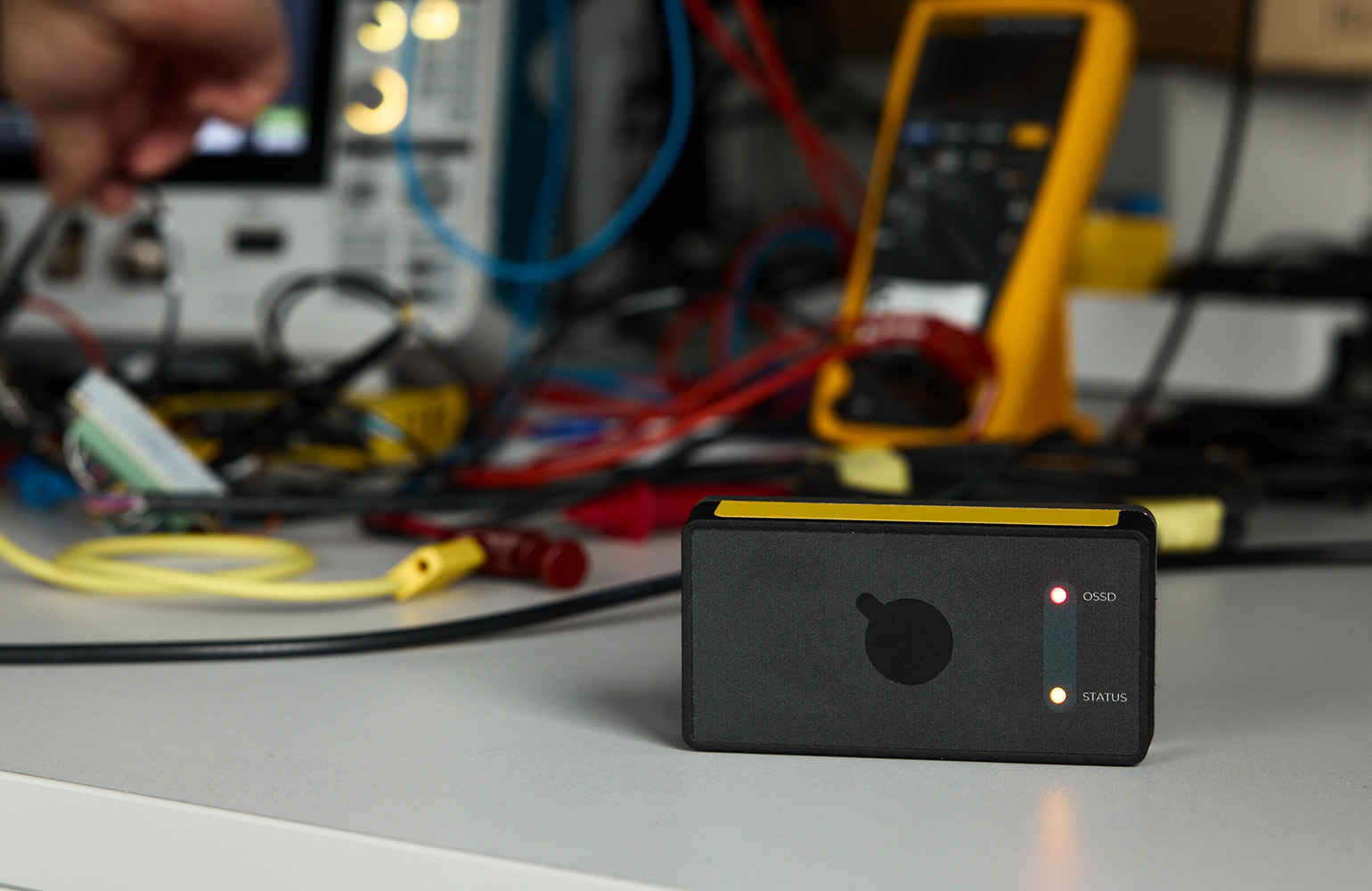
Norwegian sensing company Sonair says its ADAR One sensor has become the world's first safety-certified 3D ultrasonic sensor, clearing SIL 2 and Performance Level d requirements and opening the door to fenceless robots that can reliably detect people in three dimensions.
Safety catches up to smarter robots
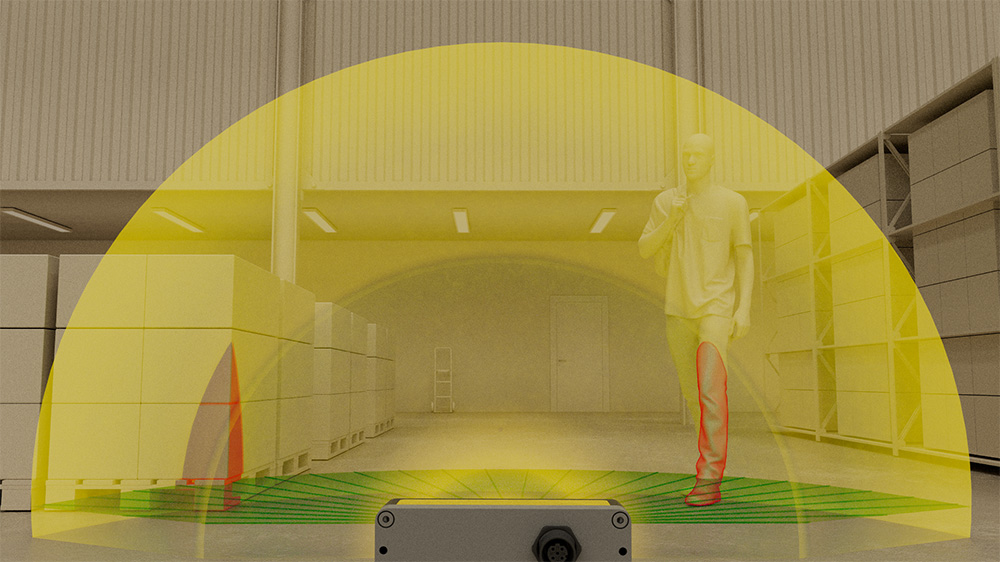
Recent AI advances have made robots more capable, but the safety infrastructure around them has lagged. Traditional 2D laser scanners see the world as a single horizontal slice, usually around leg height, missing a person leaning toward a robot, an overhanging shelf or a suspended object. ADAR One instead delivers a 180°×180° view of the surrounding volume, detecting people and obstacles at all heights using acoustic detection and ranging.
A grueling certification
ADAR One was assessed as a human-detection device under the demanding IEC 61496 standard and also meets IEC 61508 and ISO 13849, with a probability of dangerous failure below 1.5 x 10^-7 per hour. Because those standards were written around optical devices like light curtains and laser scanners, detection tests had to be re-expressed for sound. "We paused all other development for a long stretch and literally spent nights, weekends, and holidays getting it done," said CEO Knut Sandven, adding that the final documentation package ran to many thousands of pages. ADAR is also the first safety-certified embedded system built in the Rust programming language.
From AMRs to humanoids
Designed for autonomous mobile robots and industrial automation, ADAR One is already in series production and shipping on deployed robots, and its compact array can be embedded flush into a robot arm or humanoid body shell. Sonair argues ultrasound complements cameras in dust, glare and glass-filled environments, and lets integrators drop large safety margins and low speeds that cost throughput. The certification lands amid a broader push toward safer, fenceless machines seen in products like mobile manipulators and certified inspection robots.
Oslo-based Sonair, spun out of research institute SINTEF in 2022, won the LogiMAT Best Product Award 2026 and says it now plans to move partners from testing into volume deployments.
Reporting based on coverage from The Robot Report and Sonair.