Ex-Tesla Optimus Scientist Unveils Paris Humanoid Startup UMA and Its Northstar Robot
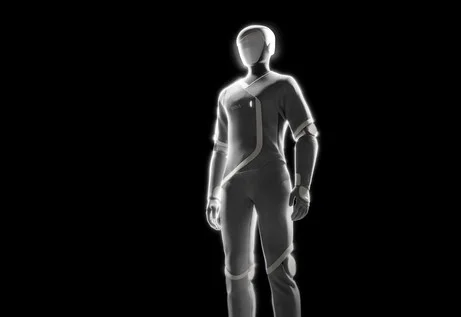
UMA, founded by former Tesla Optimus scientist Rémi Cadène, unveiled the design of its Northstar humanoid and a Real-Time Learning architecture built to teach robots by demonstration rather than manual programming.
Key Takeaways
Paris-based startup UMA, founded by ex-Tesla Optimus scientist and former Hugging Face LeRobot lead Rémi Cadène, unveiled its first humanoid robot Northstar on July 7, 2026.
Northstar features human-scale proportions, a neutral visor, soft outer shell and visible joints, deliberately signaling it is a machine; it targets factories, warehouses and logistics work.
UMA's Real-Time Learning architecture teaches robots via human demonstration instead of manual programming, letting them adapt and improve through experience.
UMA is already in talks with roughly 50 potential customers and cites Korn Ferry's forecast of an 85-million-worker global shortage by 2030 as demand driver.
Founded in 2025 by Cadène, Pierre Sermanet, Robert Knight and Simon Alibert, UMA has teams in Paris, London and Geneva, joining a growing European humanoid cohort.
Kaan Tınmaz
Paris-based physical AI startup UMA on July 7, 2026 unveiled the design of its first humanoid robot, Northstar, along with a Real-Time Learning architecture built to let robots acquire new tasks from human demonstrations rather than manual programming. Co-founder and CEO Rémi Cadène, a former Tesla scientist who worked on Optimus and previously led the Hugging Face LeRobot project, said UMA is already in discussions with about 50 potential customers.
A Europe-First Humanoid Plan
UMA is targeting factories, warehouses, logistics centers and industrial facilities where robots could take on repetitive or hazardous work. The Northstar's proportions are designed for environments built around people, and the robot uses a neutral visor instead of facial features, a soft outer shell and visible mechanical joints — a deliberate design choice meant to signal that it is a machine, not a human-like substitute.
Real-Time Learning
UMA's Real-Time Learning system is meant to let humanoids adapt to unfamiliar situations and improve through experience, reducing the need for engineers to reprogram robots for each new application. Cadène framed the pitch around demographic pressure: Korn Ferry estimates the global economy could face an 85-million-worker shortage by 2030, while aging populations, industrial reshoring and the energy transition increase demand for automation.
Why It Matters
UMA joins a fast-growing European humanoid cohort chasing scale in factories and warehouses. Cadène's Hugging Face pedigree also puts UMA squarely inside the open-source robotics stack that just accelerated with NVIDIA and Hugging Face's LeRobot integration, while competing narratives push forward with Agility Robotics' SPAC listing and AI2 Robotics' $735M round. UMA was founded in 2025 by Cadène, Pierre Sermanet, Robert Knight and Simon Alibert, and has teams in Paris, London and Geneva.
Reporting based on coverage from The AI Insider, Bloomberg and Business Wire.
UMA is a Paris-based physical AI startup founded in 2025 by Rémi Cadène, a former Tesla Optimus scientist and Hugging Face LeRobot lead, along with Pierre Sermanet, Robert Knight and Simon Alibert. It has teams in Paris, London and Geneva.
What is the Northstar robot?
Northstar is UMA's first humanoid robot, unveiled July 7, 2026. It is designed for human-built environments like factories, warehouses and logistics centers, with a neutral visor, soft outer shell and visible mechanical joints to signal it is a machine rather than a human substitute.
How does UMA's Real-Time Learning work?
Real-Time Learning lets robots acquire new tasks from human demonstrations instead of manual programming, enabling them to adapt to unfamiliar situations and improve through experience without engineers reprogramming them for each application.
Why is UMA betting on humanoid robots now?
CEO Rémi Cadène cites Korn Ferry's estimate of an 85-million-worker global shortage by 2030, plus aging populations, industrial reshoring and the energy transition driving automation demand. UMA is already in discussions with about 50 potential customers.