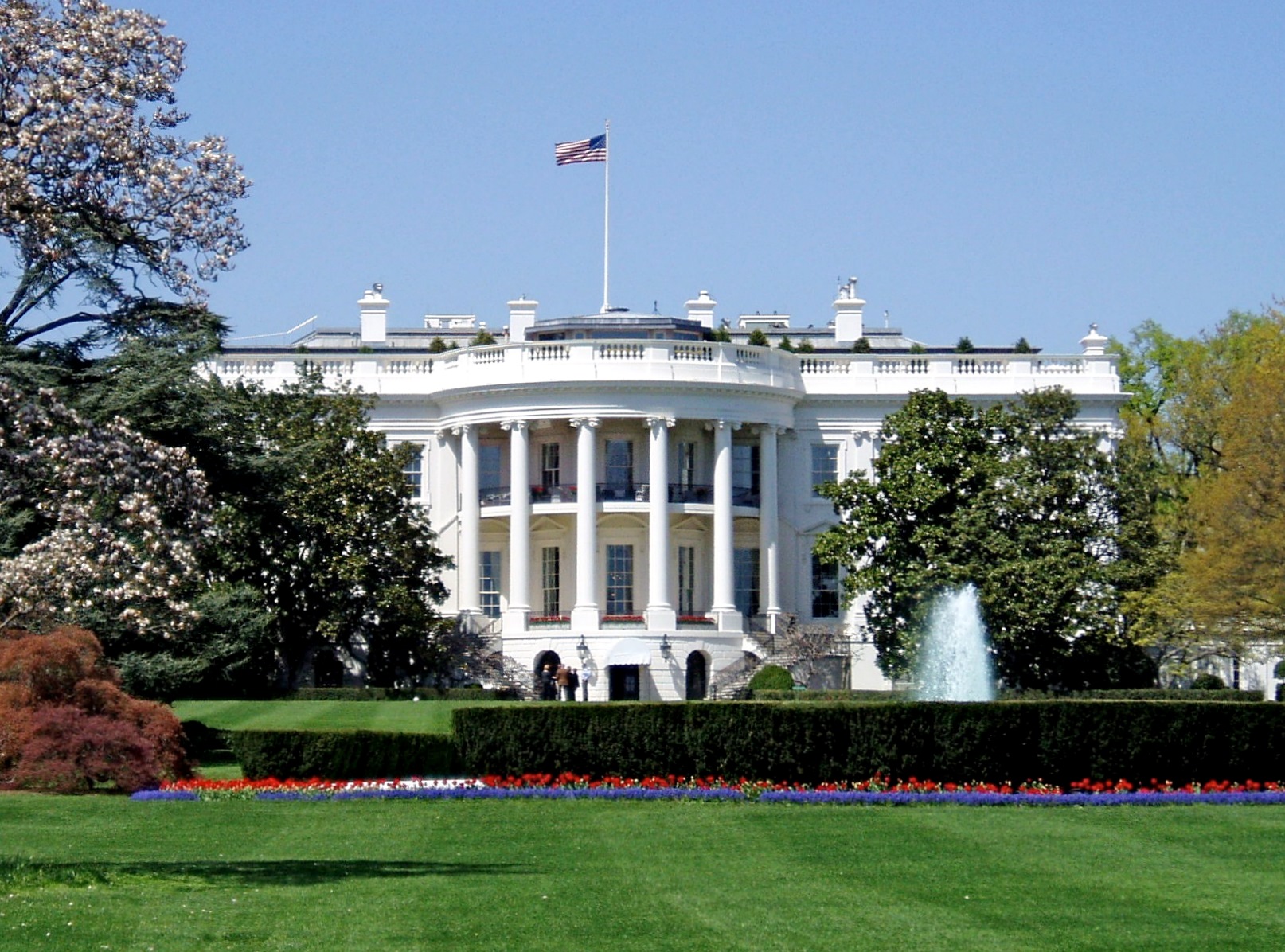
The White House is in advanced talks with leading AI companies to finalize voluntary standards for frontier model releases, the Financial Times reported on July 2, with an announcement possible as soon as the week of July 7. Reuters confirmed that Google is among the companies negotiating, specifically ahead of planned releases of advanced coding models.
Implementing the June Executive Order
The framework implements Section 3 of the June 2 executive order on AI innovation and security, and its core deliverables come due on August 1. By that date, the NSA — with CISA, the National Cyber Director and other agencies — must produce a classified benchmarking process for designating "covered frontier models," and finalize the voluntary pre-release framework through which developers can engage the government before releasing such models. Key elements still under negotiation include the mechanics of a 30-day government access window, how trusted early-access partners are selected, and international access rules for foreign organizations.
Voluntary in Name
The standards are nominally voluntary, but the industry has just watched what happens without them: Anthropic's Claude Fable 5 spent 19 days offline under emergency export controls before being restored on July 1 with new government commitments attached. OpenAI, meanwhile, has kept its GPT-5.6 family limited to roughly 20 government-vetted partners while coordinating on release conditions. Analysts widely read the framework as de facto mandatory for any lab whose models approach covered-frontier thresholds.
What It Means for the Ecosystem
For Google, the talks precede the expected July launch of Gemini 3.5 Pro, whose advanced coding capabilities may approach covered-model thresholds. For the broader industry, the framework would formalize a pre-release review channel that supporters say provides certainty and critics warn could entrench incumbents. The debate follows a month of unprecedented federal intervention in model access, from the Fable 5 suspension to expanded government evaluation of frontier safeguards, and lands as agentic models like Claude Sonnet 5 push capability baselines higher.
Reporting based on coverage from the Financial Times, Reuters and the White House.