Zipline is bringing its autonomous drone delivery service to Austin later this year, making the Texas capital the company's third market in the state in under twelve months. The expansion, confirmed on June 24, 2026, follows the Dallas-Fort Worth launch in August 2025 and Houston in April 2026, and underscores how quickly Zipline is converting a single metro pilot into a repeatable national playbook.
A Playbook, Not a Pilot
Rather than a single-neighborhood test, Zipline enters each region with a charging hub, a mix of national and local merchant partners, and a "First Flight" early-access program that builds an initial user base before service opens to everyone. In Dallas-Fort Worth the company spread to more than 20 municipalities in under a year and logged hundreds of thousands of autonomous deliveries. Houston went live on April 29, 2026, in the Cypress suburb with partners including Chipotle, Walmart, Crumbl Cookies, Little Caesars and Popeyes. Specific Austin neighborhoods and partners have not yet been named.
The Tether Delivery Advantage
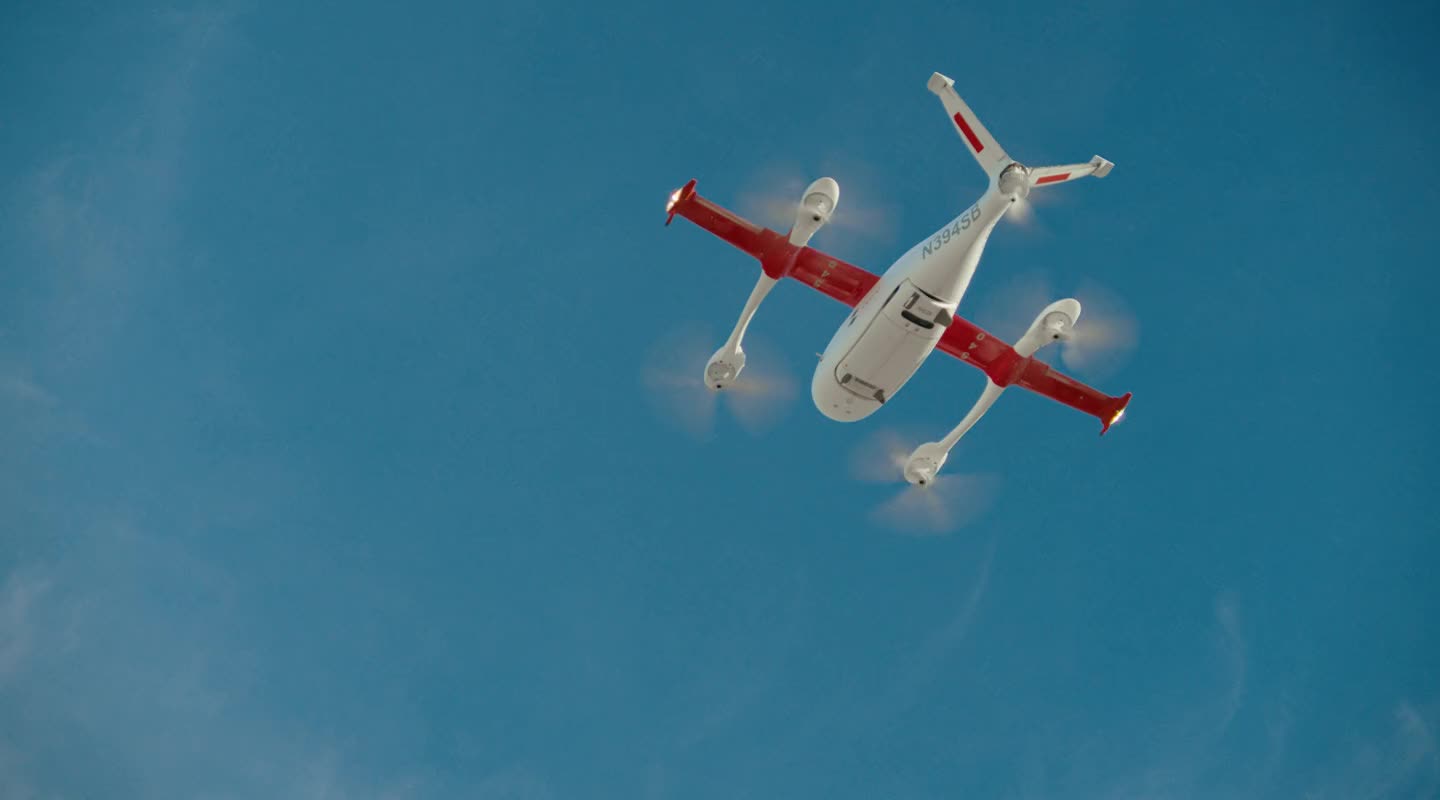
Zipline's Platform 2 aircraft hover up to 300 feet overhead and lower each package on a tethered delivery droid that steers to the drop point, so the drone itself never descends to ground level. The design removes the need for a clear landing zone and cuts the time spent at each stop from minutes to seconds. The fastest recorded delivery on Zipline's Texas network is 85 seconds from order to package on the ground, with a median flight time of about three minutes. Newer launch sites now reach 100 daily deliveries within two days of going live, compared with ten weeks for the original Dallas hub.
Capital and Track Record Behind the Move
The Austin push is backed by serious operating history and funding. Zipline says it has flown more than 135 million commercial autonomous miles without a serious injury, surpassed 2 million total deliveries and shipped more than 20 million items. The company raised $600 million in January 2026 and added $200 million in March, reaching $800 million in new funding against a $7.6 billion valuation, with investors including Fidelity, Baillie Gifford, Valor Equity Partners and Tiger Global. That war chest lets Zipline open several cities in parallel rather than waiting for each to break even.
Medical Delivery May Follow
Zipline holds a Texas license for prescription delivery, and Memorial Hermann has signed on as a Houston healthcare partner pending final regulatory approvals. Austin is expected to follow the same healthcare track. The momentum mirrors a broader regulatory opening for the industry, including the new FAA Part 108 drone delivery rule and milestones such as Walmart's one-millionth drone delivery. As ground-based logistics players race to automate the rest of the supply chain, from warehouse unloading robots to last-mile aircraft, Zipline's cadence positions it among the most aggressive operators in the category.
Founded in 2014 with blood deliveries to rural hospitals in Rwanda, Zipline now combines a humanitarian heritage with one of the fastest commercial rollouts in U.S. drone delivery.
Reporting based on coverage from DroneXL, Axios and Zipline.