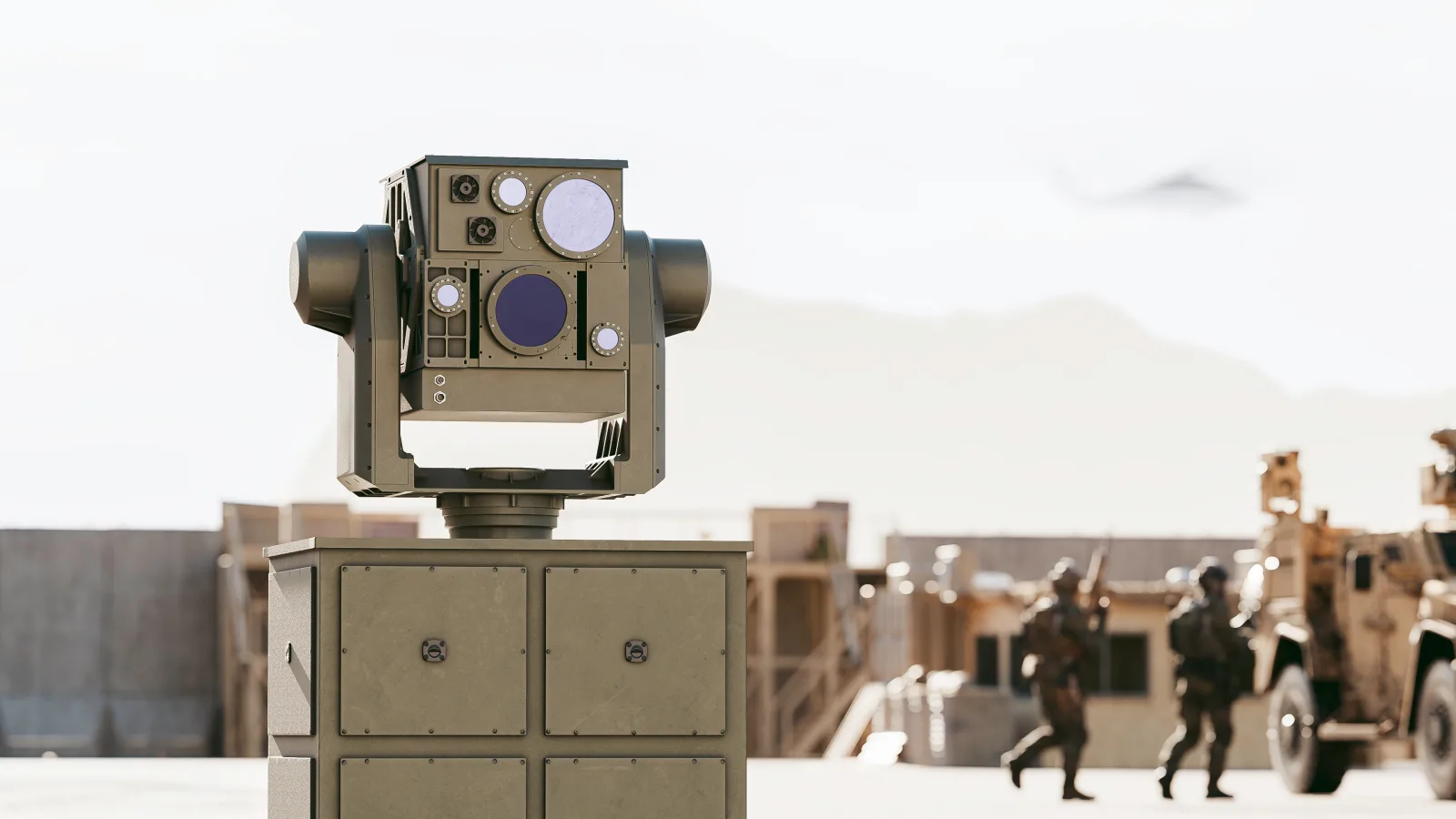
AeroVironment said on November 11 that it has won a $405 million direct commercial sales order for its LOCUST X3 high-energy laser weapon system, placed by an undisclosed buyer in the Middle East. The company called it a "landmark" award for its counter-unmanned aircraft systems business, according to AeroVironment.
LOCUST X3 is the third generation of AeroVironment's laser-based air defense system, built to shoot down Group 1 through 3 unmanned aircraft — roughly the size range running from small quadcopters up to larger tactical drones, including Shahed-series attack drones that have targeted Middle East energy infrastructure. AeroVironment CEO Wahid Nawabi said the order reflects "growing recognition that directed energy is essential to modern layered air defense."
How does a laser weapon stop a drone?
LOCUST X3 fires a focused, high-energy beam at an incoming aircraft rather than launching a projectile. The beam heats the target's structure or electronics until it fails, disabling or destroying it. Because the "ammunition" is electricity rather than a missile, the system's magazine capacity is limited mainly by available power and heat dissipation — known as thermal management — rather than how many interceptors are in storage. That lets it fire repeatedly at a swarm of cheap drones without running out of munitions, something conventional missile-based air defense cannot do economically.
The system uses AeroVironment's AV_Halo Pinpoint fire-control software to track and aim at fast-moving targets, and it is built in a modular configuration that can be installed on fixed sites or mobile platforms. AeroVironment says the cost of firing the laser is far lower than launching a missile interceptor, which is the central economic argument for directed-energy weapons: a drone costing a few thousand dollars should not require a missile costing hundreds of thousands to shoot down.
Why is this order significant now?
Drone attacks on energy and military infrastructure across the Middle East have accelerated the push for layered air defense — a mix of radar, kinetic interceptors, electronic warfare and directed-energy weapons working together. A November 8 drone strike on the Khor Mor gas field is one recent example of the kind of threat driving regional procurement. AeroVironment frames LOCUST X3 as the affordable layer in that mix, designed to handle persistent, high-volume drone threats so that expensive missile interceptors can be saved for higher-end targets.
The $405 million figure makes this one of the largest publicly disclosed directed-energy counter-drone orders to date, ahead of other recent counter-UAS deals including NATO's new counter-drone marketplace and various radar and jamming contracts awarded across the region this year. AeroVironment has not named the customer country or disclosed a delivery schedule, but it says it will build an in-country maintenance depot to handle repair, training and lifecycle support once the systems are fielded.
What happens next?
AeroVironment did not specify when deliveries will begin or how many individual LOCUST X3 units the $405 million covers. The company's plan to stand up local maintenance infrastructure suggests the buyer expects to operate the systems for years, not as a one-off purchase. With drone threats continuing to expand across contested regions, AeroVironment is positioning LOCUST X3 as a recurring revenue line rather than a single transaction.