
Amazon plans to expand its Prime Air drone delivery service to nearly 500 US cities by the end of 2026, a sixfold increase from its current 11-location footprint, CEO Andy Jassy said on August 19, 2026. The rollout is powered by the company's next-generation MK30 aircraft, which can carry packages up to five pounds and deliver in "as little as 30 minutes."
Pricing and reach
Prime Air will be free for Amazon Prime members ordering more than $50 in goods, $2.99 for smaller Prime orders, and $4.99 for non-members. Amazon says the service will serve communities with roughly 30 million customers by year-end and is architected to hit "half a billion drone deliveries by the end of this decade." The soon-to-launch batch includes Tolleson AZ, Ruskin FL, Kansas City KS, Papillion NE, Baton Rouge LA, Hazel Park MI, Pontiac MI, and Richmond, San Antonio, Richardson and Waco in Texas — building on last month's Richmond, Virginia go-live.
An arms race in the sky
Amazon's blitz lands amid a broader air-logistics contest. DoorDash-backed Airbound raised US$37M for Andhra Pradesh operations, and Matternet — the only FAA type-certified pure-play drone delivery company — went public in May with a US$33M raise. Alphabet's Wing continues to expand US regional routes, while Zipline's suburban US pilots push into supermarkets and pharmacies.
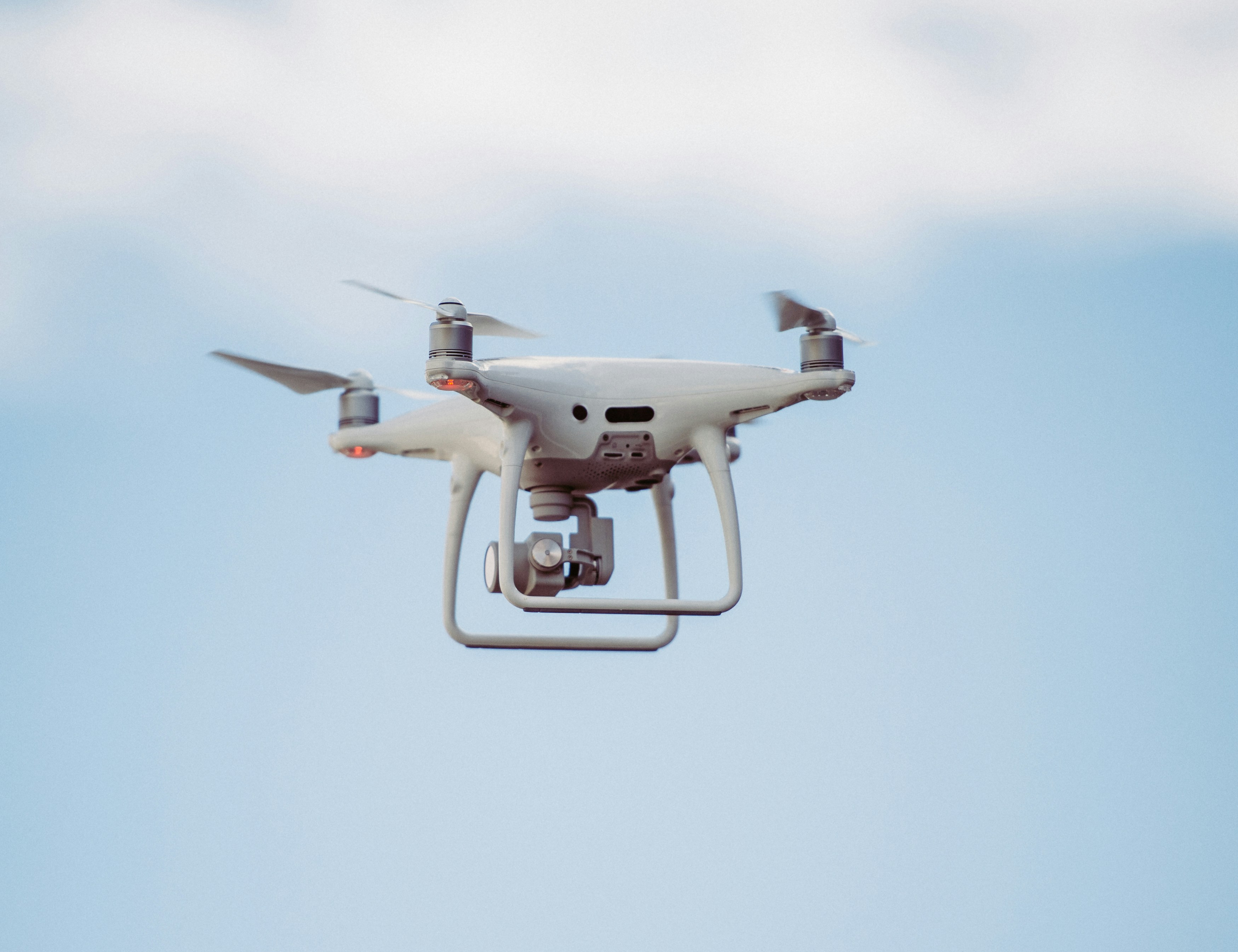
What still has to go right
Amazon needs to keep the MK30's noise footprint below neighbourhood tolerance, secure FAA Part 135 route waivers for hundreds of new municipalities, and manage the ground infrastructure that pairs same-day fulfilment centres to drone launch pads. It also has to convince suburbs that low-flying autonomous aircraft are welcome — a debate that already surfaced in Virginia. Still, the pace is real: with 30 million households in scope this year alone, Prime Air is finally shifting from science project to logistics primitive.
Reporting based on coverage from TechCrunch, ABC News, WVTF, NewsCord and Amazon corporate updates.