Inside a Bleckmann distribution center in Bergen op Zoom, the Netherlands, workers will soon share the floor with a pair of humanoid robots that take spoken instructions to pick orders and move stock. Bleckmann, a Belgium-based fashion logistics provider whose clients include H&M Group and Aldo Group, confirmed on November 24 that two humanoid units will arrive at selected European distribution centers within weeks.
The robots use cameras, laser sensors and digital mapping to navigate warehouse aisles and avoid obstacles without requiring layout changes or new infrastructure. Bleckmann CEO Gökalp Çak said the goal is to offload repetitive, physically demanding tasks from warehouse staff. Chief Transformation Officer and co-founder Steven Rymenans added that the pilot is as much about data collection as throughput: the company intends to use the robots' early operation to gather training data that will shape the next generation of units it deploys.
A Fashion Logistics Specialist Joins the Humanoid Pilot Wave
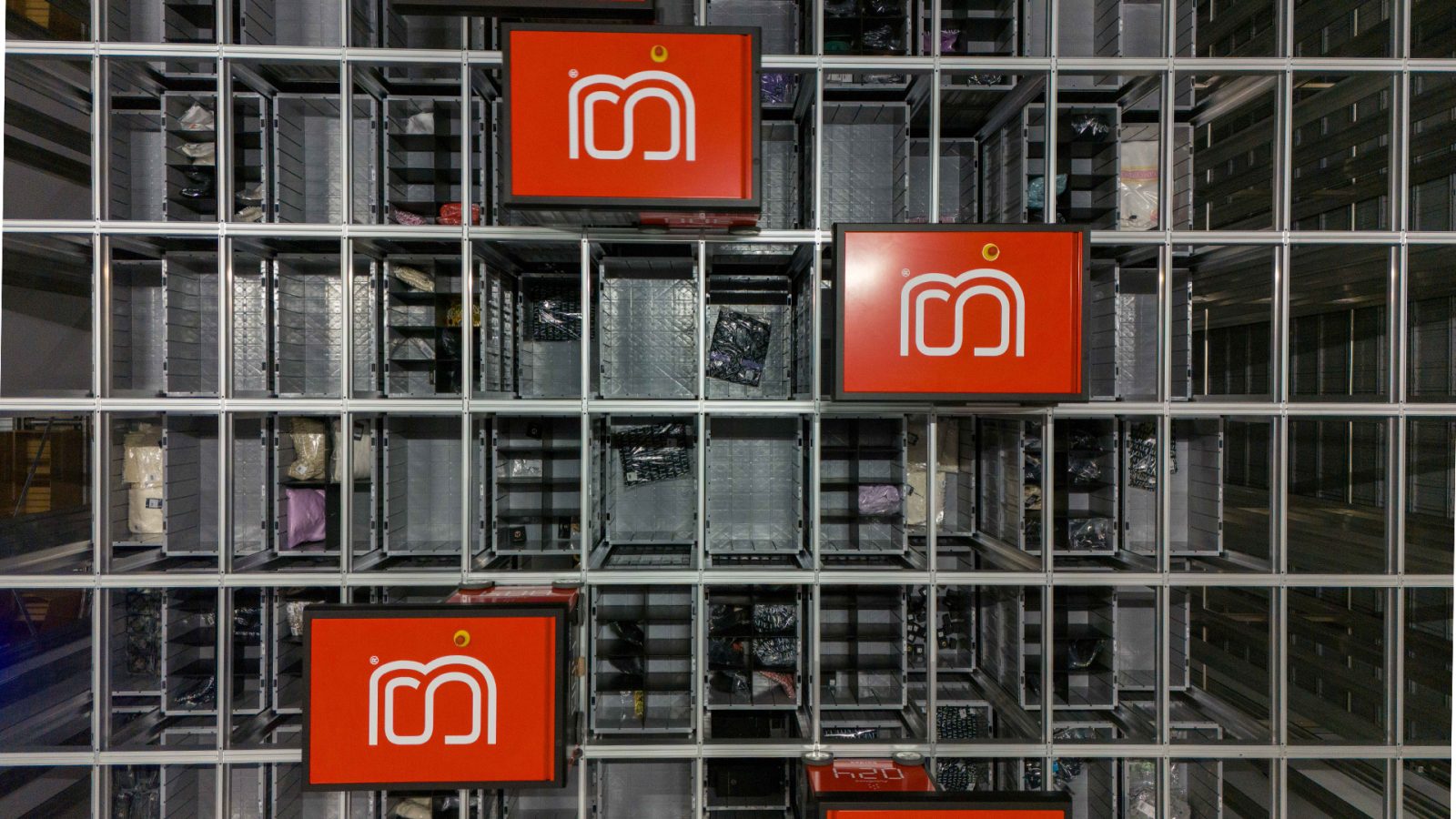
Bleckmann's move places a mid-sized European third-party logistics provider alongside better-funded industrial players testing humanoid labor in distribution centers. The company says it has already invested more than $600 million in its broader warehouse automation program, which includes AutoStore installations and Hikrobot carrier systems at facilities serving brands such as Superdry. The humanoid pilot is incremental against that backdrop — just two units — but it signals that apparel logistics, a sector with sharp seasonal demand swings and high labor turnover, sees enough promise in general-purpose robots to start gathering real-world performance data now rather than waiting for the technology to mature further.
The fashion supply chain has specific characteristics that make it an interesting testbed: irregular box shapes, frequent SKU changes, and peak volumes around sales events that can strain fixed automation designed around steady-state throughput. A voice-directed humanoid that can be redeployed to different tasks without reprogramming conveyor lines offers Bleckmann flexibility that its existing AutoStore and AMR systems don't.
Competing Against a Crowded Field of Warehouse Humanoid Trials
Bleckmann enters a field already populated by better-capitalized deployments. GXO has been scaling Apptronik's Apollo humanoid across its logistics network, and Amazon, DHL and other large operators have run parallel trials with multiple humanoid vendors. What distinguishes Bleckmann's approach is its framing: Rymenans was explicit that the near-term purpose is training data collection rather than immediate labor replacement, a more modest claim than some vendors make about day-one productivity gains.
Bleckmann has not named the robot manufacturer supplying the two units, and pricing or lease terms were not disclosed. The company said further details on performance and expansion plans would follow once the robots are operational at Bergen op Zoom and other sites. Given the small initial footprint, the real signal to watch is whether Bleckmann converts this pilot into a larger order once it has gathered enough operational data to justify a wider rollout across its European network, as reported by TheIndustry.fashion.