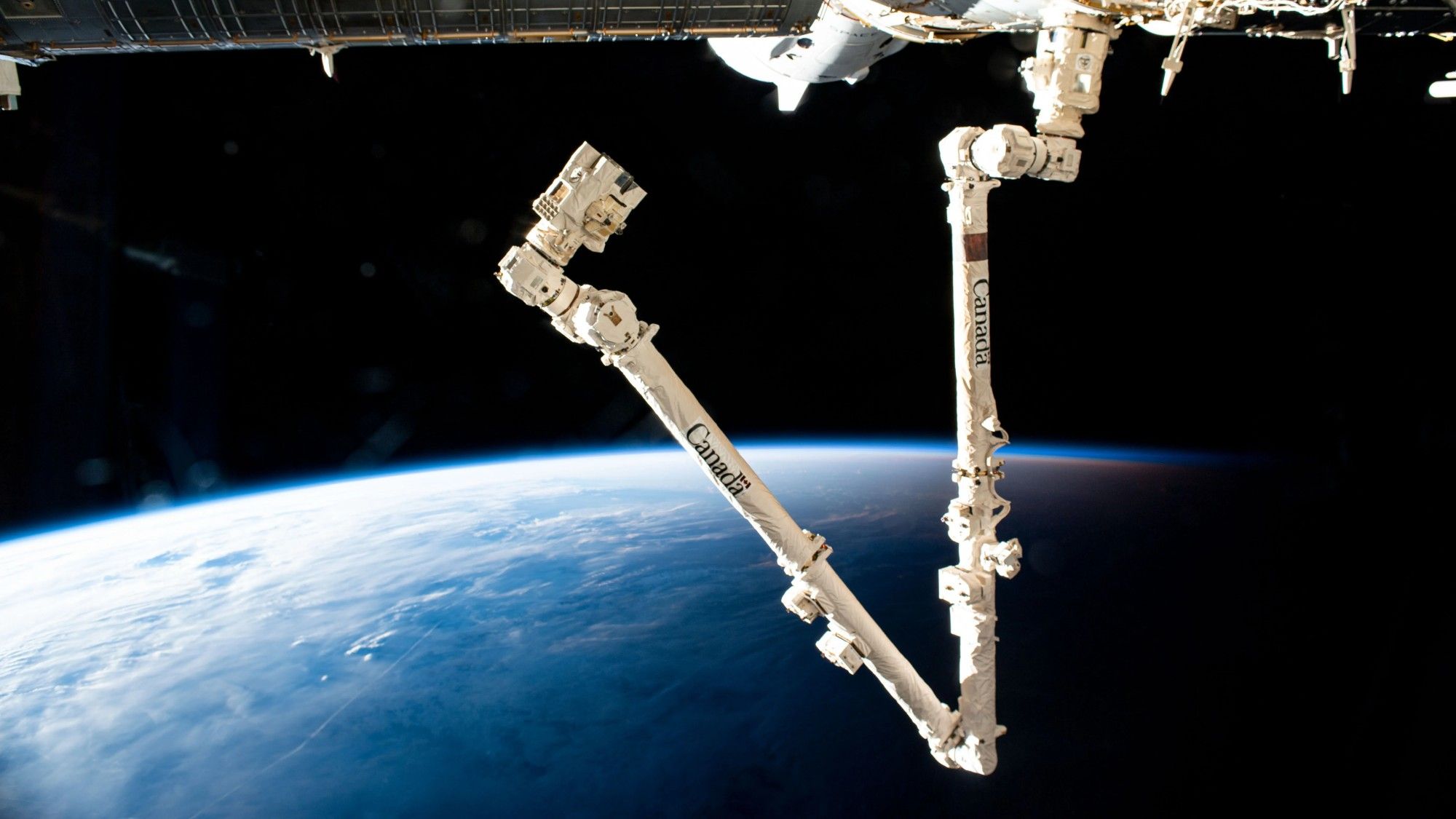
NASA and the Canadian Space Agency (CSA) are preparing for a June 30, 2026 spacewalk to repair the International Space Station's Canadarm2 robotic arm, which seized up during routine operations on May 27 and has been offline since.
What broke
"The system demonstrated an elevated motor current in a wrist joint, and arm motion did not occur as expected," NASA officials wrote in a blog post on June 10, 2026. Consultation with the CSA — which funds the arm and supports its operations with prime contractor MDA Space — concluded that a spacewalk will be needed to replace the affected joint. A spare segment is already on the station, parked there years ago by the agency in anticipation of exactly this kind of failure.
A 25-year-old arm 10 years past design life
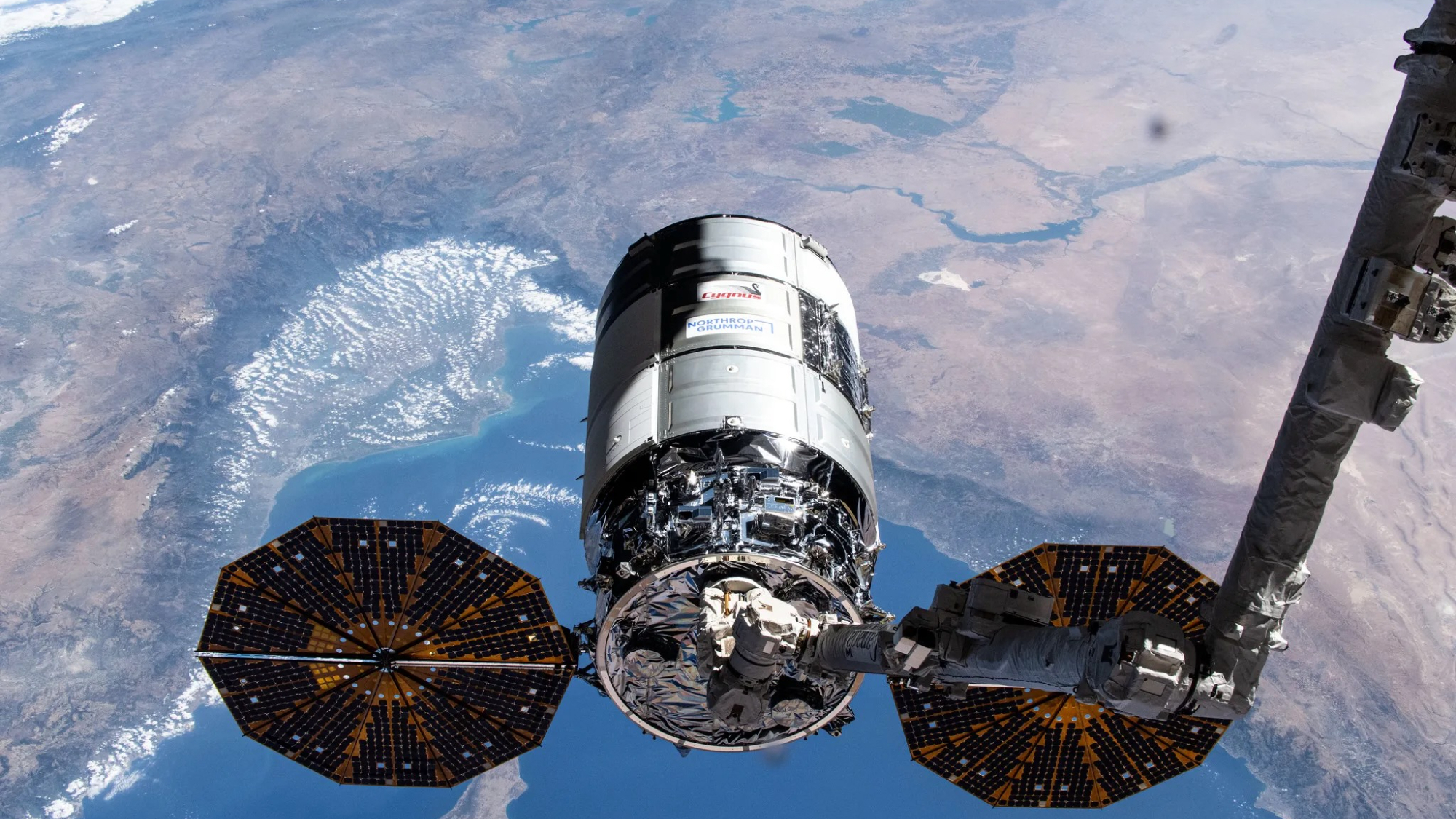
Canadarm2 just passed 25 years of service in April. It is now 10 years past its original design life and has logged more than 50 cargo "cosmic catches," most recently the Northrop Grumman Cygnus XL spacecraft in April with NASA astronaut Chris Williams at the controls. "Canadarm2 was designed with these kinds of potential issues in mind: it is made up of several segments that can be pulled out and replaced in space," the CSA wrote in a June 10 update.
Who walks
The two spacewalkers will likely be drawn from the Expedition 74 U.S. Operating Segment crew, which includes NASA's Chris Williams, Jessica Meir and Jack Hathaway, and the European Space Agency's Sophie Adenot. NASA will hold a news conference to discuss the EVA and the assigned crew at a date to be announced.
Why it matters
Getting Canadarm2 back online is critical for berthing cargo ships, supporting on-orbit robotic servicing hardware and freeing astronaut time for science. The 2007 STS-120 solar-array rescue — in which NASA's Scott Parazynski rode the arm's extended boom to a torn live panel — remains its most famous repair moment. With CSA astronaut Josh Kutryk also scheduled to launch on SpaceX Crew-13 no earlier than September, the Canadian robotic franchise on ISS is heading into a busy second half of 2026.
Reporting based on coverage from Space.com, NASA Space Station blog and the Canadian Space Agency.