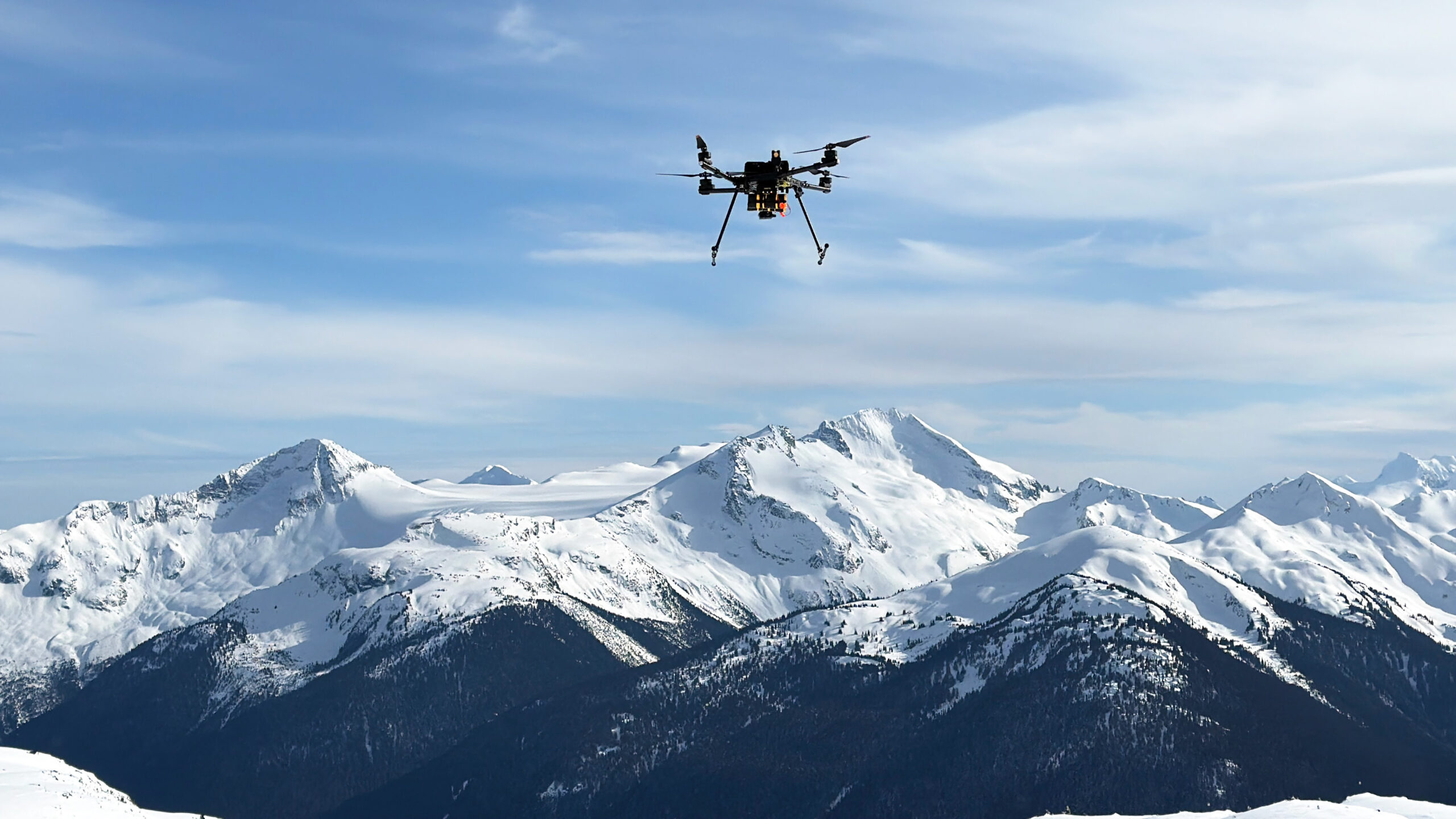
The Federal Aviation Administration has granted Drone Amplified regulatory approval to operate its MONTIS drone-based avalanche control system in the United States, the company announced from Lincoln, Nebraska on July 8. The clearance makes MONTIS the first drone system explicitly authorized for commercial avalanche mitigation in the U.S., giving state DOTs, ski resorts and private operators a legal path to trigger controlled avalanches from a safe distance.
How the MONTIS system works
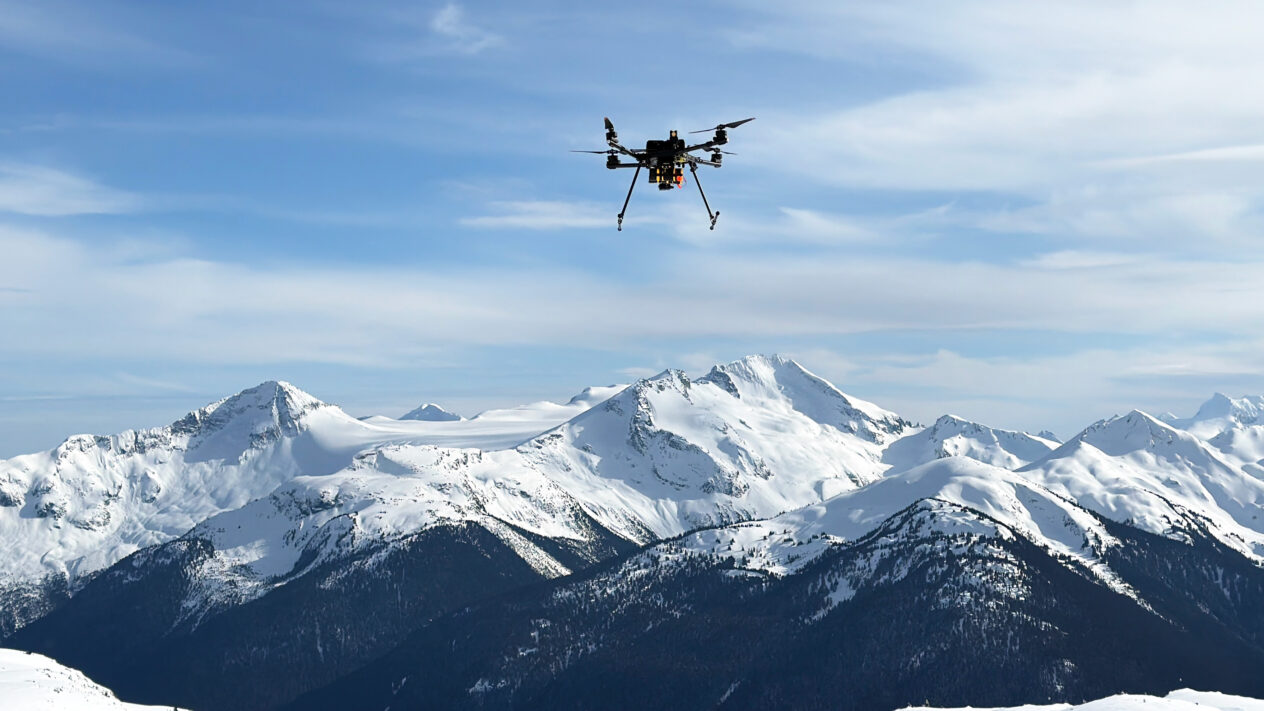
MONTIS is an uncrewed aerial platform designed to remotely deploy explosive charges into unstable snow. By intentionally releasing smaller slides before larger, more dangerous ones can form, avalanche crews reduce the risk profile of the winter mitigation work they perform to keep highways, rail corridors and ski terrain open. The drone can also serve as a helicopter alternative in weather or visibility conditions that ground manned aircraft, or as a supplement during high-traffic winter operations. Drone Amplified developed MONTIS with explosives industry partners Austin Powder and CIL Avalanche, and shares its avionics ecosystem with the company's IGNIS wildfire ignition drone already used across U.S. wildland fire agencies.
Why the FAA clearance matters
Existing avalanche mitigation relies on manned helicopters, fixed remote-firing towers, artillery and skilled ground personnel — every option that has trade-offs on cost, weather sensitivity and crew exposure. The FAA approval creates the first standardized regulatory pathway for a drone system to be integrated alongside those tools, which Drone Amplified said "fundamentally shifts the risk management profile" for the sector. "Our mission is simple: use robotics to make the most dangerous jobs safer," CEO Carrick Detweiler said in the statement, crediting engineering rigor and collaboration with the Alaska Department of Transportation for the milestone.
Adds a specialty use case to a widening drone regulatory picture
MONTIS joins a growing list of specialty drone deployments the FAA cleared in the summer of 2026, alongside broader commercial expansion under the incoming Part 108 framework for beyond-visual-line-of-sight delivery. The clearance sets a precedent that could influence future approvals for other mission-specific drone systems — precision agriculture, offshore inspection and defense logistics among them — where a regulatory pathway rather than raw hardware has been the bottleneck.
Related coverage: Matternet Adds Beeline UAS To FAA Part 135 Roster To Scale U.S. Drone Delivery, Zipline Poaches Tesla, Waymo And Uber Execs, Hits 2.5M Deliveries, and SpaceX's Starship Flight 13 Deploys First V3 Starlink Batch.
Reporting based on coverage from Drone Amplified, DroneLife, DroneDJ and Powder Magazine.