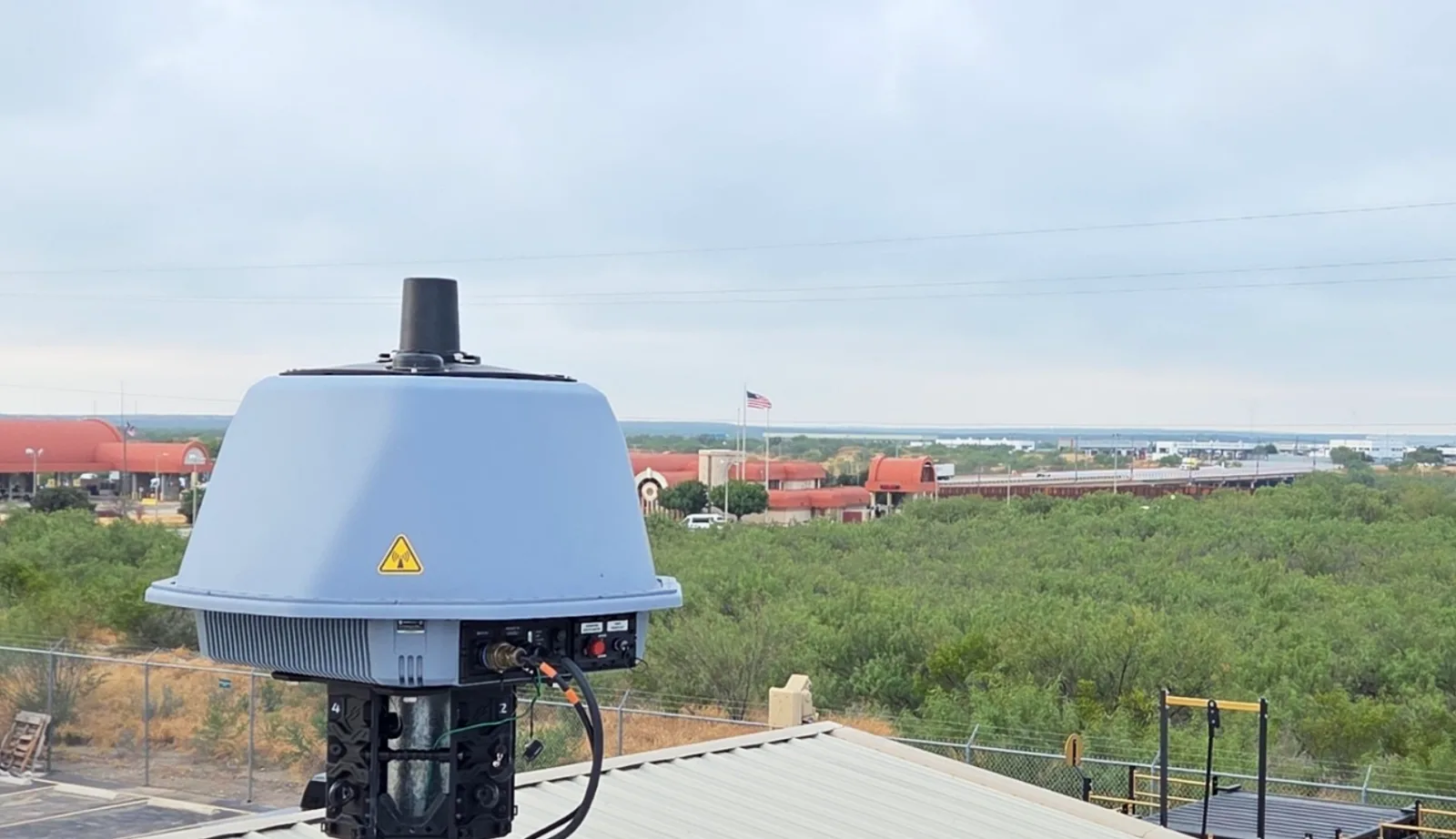
DroneShield announced on November 23, 2026 that it achieved Initial Operational Capability for a fixed-site counter-drone system supporting the US Department of Defense's Joint Interagency Task Force 401, known as JIATF-401. The milestone marks the point where the installed system moves from equipment delivery into active operational use protecting designated US locations from unmanned aircraft threats.
The deployed solution layers DroneShield's own radio frequency sensing and electronic countermeasure technology with EchoShield radar supplied by partner Echodyne, giving operators combined RF and radar-based tracking of drone activity. DroneShield, based in Warrenton, Virginia for its US operations, says the combination is built to support decision-making in contested or cluttered airspace where a single sensor type can miss or misidentify a threat.
A fixed-site layer on top of a bigger contract
This announcement builds on a relationship that has grown steadily through 2026. DroneShield's US subsidiary first won a JIATF-401 contract worth $24.9 million in June, covering mobile and fixed-site counter-drone hardware, subscriptions and services. In September, the company was awarded a JIATF-401 Domestic Shield Indefinite Delivery, Indefinite Quantity contract with a ceiling value of $500 million over three years, establishing the vehicle through which it can compete for future task orders.
Reaching Initial Operational Capability on the fixed-site piece shows DroneShield converting that contracting runway into deployed, working systems rather than pending installations. For a company that trades on the Australian Securities Exchange and has leaned heavily on US homeland defense demand, each operational milestone reinforces the case that its hardware can move from contract award to active duty on a workable timeline.
Competing for a crowded counter-drone budget
The US counter-UAS market has drawn a wide field of competitors, from Anduril's Anvil interceptors to smaller RF-detection specialists, all chasing the same homeland security and military budgets as drone incursions over bases and critical infrastructure become more frequent. DroneShield's advantage has been breadth: it sells detection, jamming and now radar-fused fixed-site coverage as a single layered offering rather than a point solution.
Angus Bean, DroneShield's chief executive, said effective counter-drone defense \"demands specialized capabilities working together to address threats across multiple sensing and response layers,\" calling the IOC milestone proof the company can deliver operational capability for critical US defense missions. With the $500 million IDIQ vehicle still largely untapped, the next test is whether DroneShield can convert this fixed-site win into a string of task orders rather than a single showcase deployment.