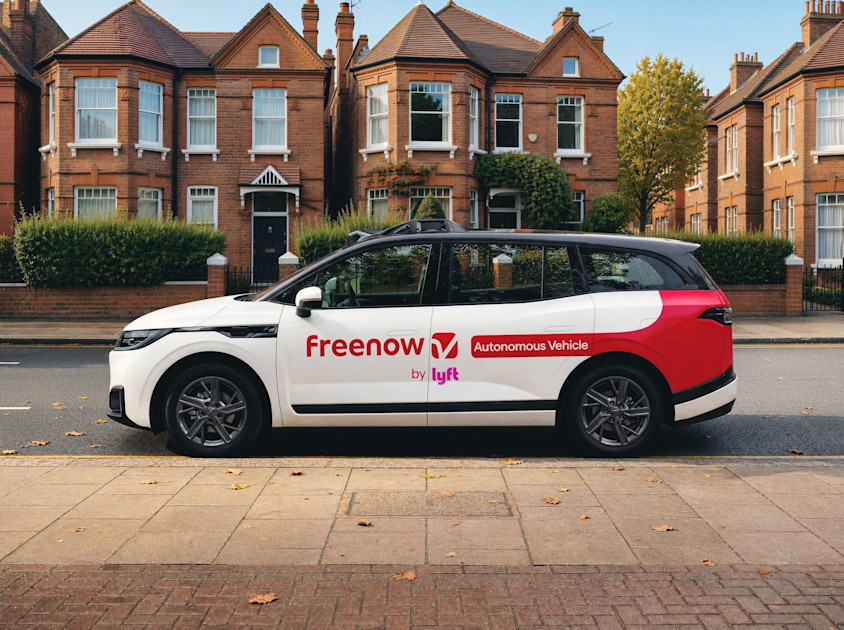
Freenow by Lyft and Baidu's Apollo Go on 28 July 2026 officially began road-testing the sixth-generation Apollo Go RT6 robotaxi in the London borough of Brent, moving Lyft and Baidu's 2025 European partnership from paperwork into public streets.
What is being tested
The RT6 is Baidu's purpose-built, sixth-generation autonomous vehicle, mass-produced for ride-hailing rather than retrofitted from a passenger car. Freenow, the Hamburg-based multi-mobility app that Lyft acquired for roughly $197 million in 2025, is providing the booking layer. Vehicles will carry safety operators during this phase and operate in Brent's mix of urban and suburban environments, chosen to stress-test the stack against complex UK road markings, roundabouts and pedestrian density.
Working with Transport for London
Freenow and Lyft say they have been in "extensive discussions" with Transport for London (TfL) and the Centre for Connected and Autonomous Vehicles (CCAV). The plan is a hybrid network mixing Freenow's existing black cabs and private-hire vehicles with driverless RT6s, which the operators argue will shorten pickup times as fleet density grows.
Thomas Zimmermann, CEO of Freenow by Lyft, framed the pitch to drivers and regulators: "Our priority is ensuring that autonomous technology supports the professional drivers who keep London moving." Baidu's Nan Yang, VP and general manager of the Intelligent Driving Group's overseas unit, called the test "a defining milestone in our global expansion."
Public rides target 2027
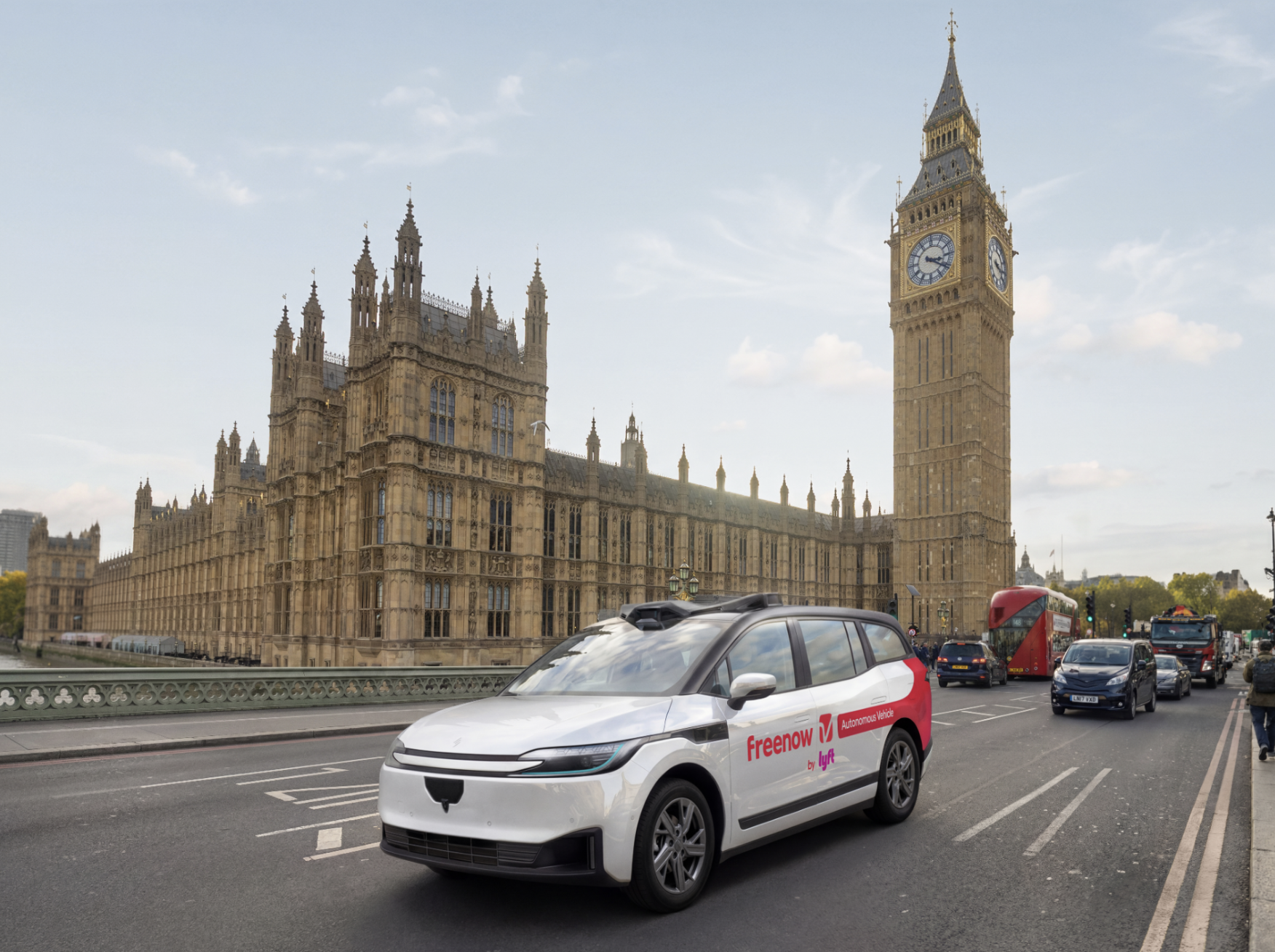
Freenow and Baidu said they will welcome public riders "starting in 2027," subject to TfL and UK government approval. That timing puts the tie-up in a direct race for London permits against Uber's Wayve programme, which Lyft's rival launched a consumer waitlist for in June, and against Waymo, which began safety-driver trials in the UK capital earlier this year. Baidu is also expanding at home: China recently restarted robotaxi permitting after a pause, with Apollo Go among the first operators to pick up new licences.
Censuswide research commissioned by Freenow found that 58% of Londoners say they would try a robotaxi and 25% are actively excited about the option, with support rising to nearly two-thirds among under-35s — a rare signal of consumer pull heading into the regulatory review. Apollo Go has already completed more than 22 million cumulative rides and 3.2 million driverless trips in Q1 2026 alone.
Reporting based on coverage from Lyft, Baidu, TechCrunch and Electrek.