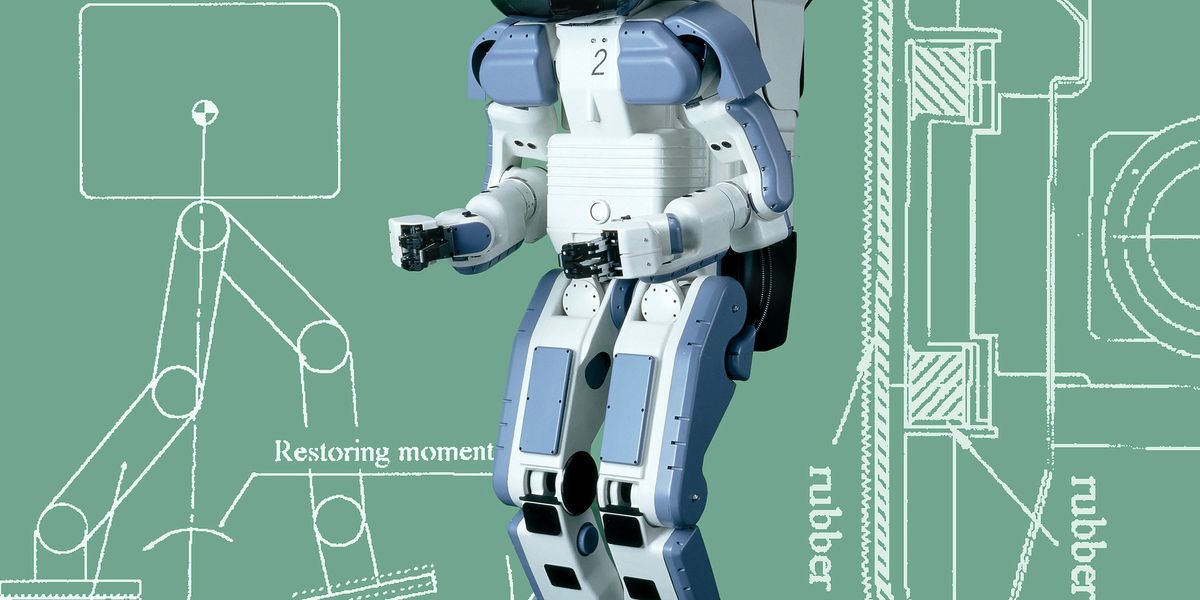
Honda P2 Robot: The 1996 Breakthrough That Revolutionized Humanoid Walking
Honda's P2 robot from 1996 achieved stable bipedal walking, earning IEEE Milestone recognition for transforming humanoid robotics development worldwide.
Key Takeaways
Honda's P2 robot achieved stable bipedal walking in 1996, recently earning IEEE Milestone designation for its impact on humanoid robotics.
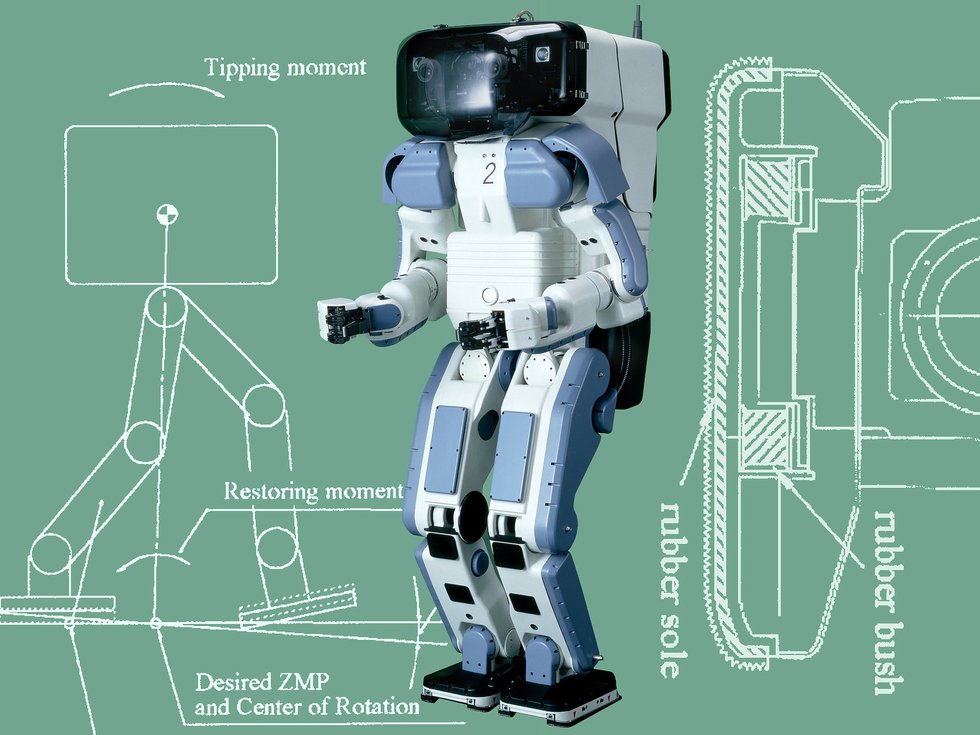
P2 stood 182 cm tall, weighed 210 kg, and used real-time balance control and dynamic stability algorithms instead of pre-programmed rigid movements.
Honda's proprietary zero moment point (ZMP) control let P2 walk on flat surfaces and climb stairs, becoming the standard for modern humanoid robotics.
P2 led directly to Honda's ASIMO series, which debuted in 2000 and advanced humanoid capabilities for two decades.
P2's bipedal locomotion principles influenced companies worldwide, including Boston Dynamics (Atlas), Toyota, and Tesla (Optimus).
The Robotics Media Editorial
Honda's P2 humanoid robot achieved stable bipedal walking in 1996, marking a pivotal breakthrough that transformed the robotics industry. The Institute of Electrical and Electronics Engineers (IEEE) recently designated this achievement as an IEEE Milestone, recognizing its profound impact on humanoid robotics development.
Revolutionary Walking Technology
The P2 robot stood 182 centimeters tall and weighed 210 kilograms, incorporating advanced control systems that enabled natural human-like walking without falling. Unlike previous robots that required pre-programmed rigid movements, P2 used real-time balance control and dynamic stability algorithms.
Honda's engineering team developed proprietary zero moment point (ZMP) control technology, allowing P2 to maintain balance while walking on flat surfaces and climbing stairs. This technical foundation became the standard for modern humanoid robotics.
Legacy and Modern Impact
P2's success led directly to Honda's ASIMO robot series, which debuted in 2000 and continued advancing humanoid capabilities for two decades. The walking algorithms pioneered in P2 influenced robotics companies worldwide, including Boston Dynamics, Toyota, and Tesla.
Today's humanoid robots from companies like Tesla (Optimus) and Boston Dynamics (Atlas) build upon the fundamental bipedal locomotion principles established by Honda's P2. The IEEE Milestone designation confirms P2's status as the foundational achievement that made modern humanoid robotics possible.
What made Honda's P2 robot a breakthrough in 1996?
P2 achieved stable bipedal walking using real-time balance control and dynamic stability algorithms, unlike earlier robots that relied on pre-programmed rigid movements. It could walk without falling and even climb stairs.
Why did the P2 robot receive IEEE Milestone recognition?
The IEEE designated P2's stable bipedal walking achievement as an IEEE Milestone in recognition of its profound impact on humanoid robotics development worldwide, confirming it as the foundational achievement behind modern humanoid robots.
What were the P2 robot's key specifications?
P2 stood 182 centimeters tall and weighed 210 kilograms, incorporating Honda's proprietary zero moment point (ZMP) control technology to maintain balance while walking and climbing stairs.
How does P2 influence today's humanoid robots?
P2 led directly to Honda's ASIMO, which debuted in 2000, and its walking algorithms influenced companies worldwide. Modern robots like Tesla's Optimus and Boston Dynamics' Atlas build on the bipedal locomotion principles P2 established.