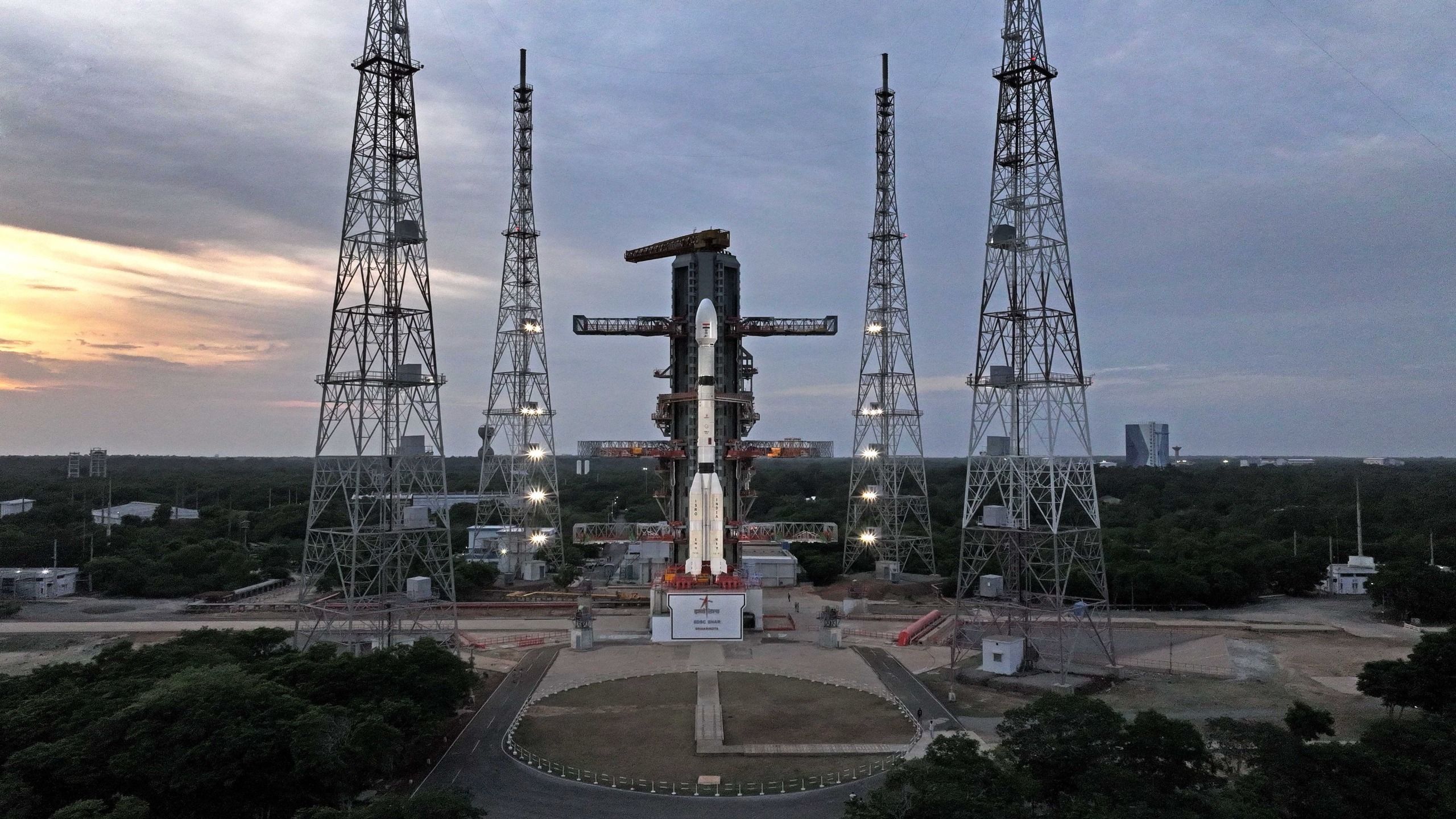
The Indian Space Research Organisation (ISRO) is targeting 5:25 p.m. EDT on September 3, 2026 (2:55 a.m. IST on September 4) for its GSLV F17 mission from the Satish Dhawan Space Centre, sending the EOS-05 earth-observation satellite toward geosynchronous orbit. The 2,367-kilogram spacecraft, also known as GISAT-1A, is designed to become India's first persistent Earth-imaging platform 36,000 kilometers above the subcontinent.
Second attempt at a GEO earth-observer
Getting an imaging satellite to geosynchronous orbit is a milestone India has never achieved. A 2021 attempt with the EOS-03 spacecraft ended when the GSLV Mk II's cryogenic upper stage failed, and the payload was lost. The current rocket is riding a streak of four consecutive successful launches since the vehicle's return-to-flight in May 2023. "EOS-05 is a state-of-the-art Earth observation spacecraft," ISRO wrote in the mission press kit, calling it "India's first-ever imaging satellite from geosynchronous orbit."
Dual-use imagery from 36,000 km
A geosynchronous perch lets EOS-05 hover over a fixed patch of Earth, an unusual role for an optical imaging spacecraft. ISRO says the satellite will provide near-continuous coverage of the Indian subcontinent for weather, disaster response and monitoring of remote border areas, strategic assets and severe environmental events. The Economic Times described the payload as intended for both civilian and military applications, and Indian defense analysts see it as a step toward a permanent overhead intelligence eye on the subcontinent.
Third Indian launch of 2026
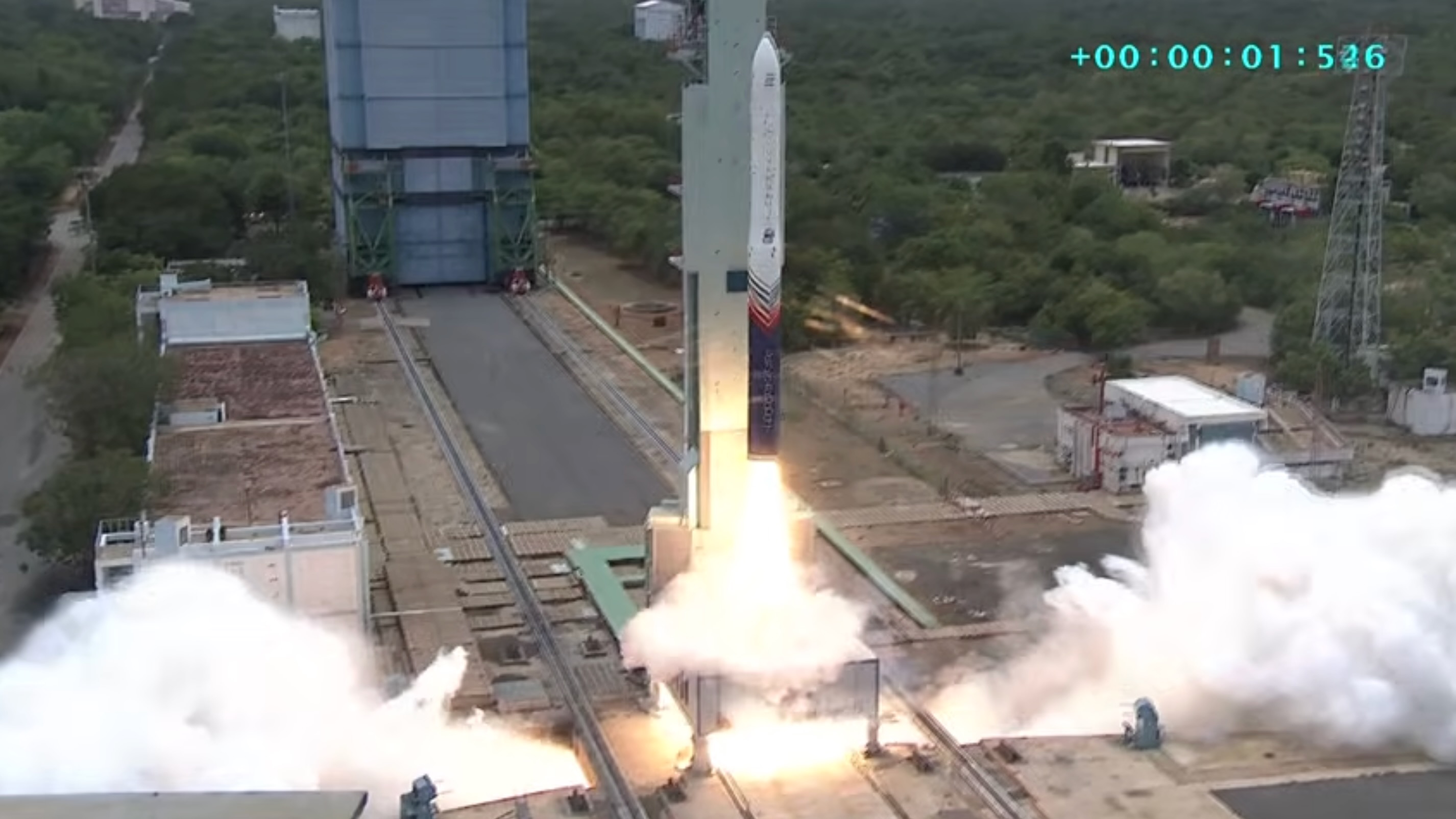
Today's liftoff is the third orbital mission from India this year, following a January PSLV mission that failed to deliver 16 satellites to orbit and Skyroot Aerospace's July success with the country's first private orbital rocket, Vikram-1. It also lands the same week as SpaceX's Falcon Heavy launch of NASA's Roman Space Telescope and Rocket Lab's latest Electron missions, underscoring how crowded the global launch cadence has become for national space agencies and private operators alike.
Reporting based on coverage from Space.com, The Economic Times and ISRO press materials.