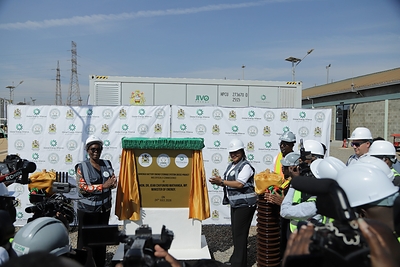
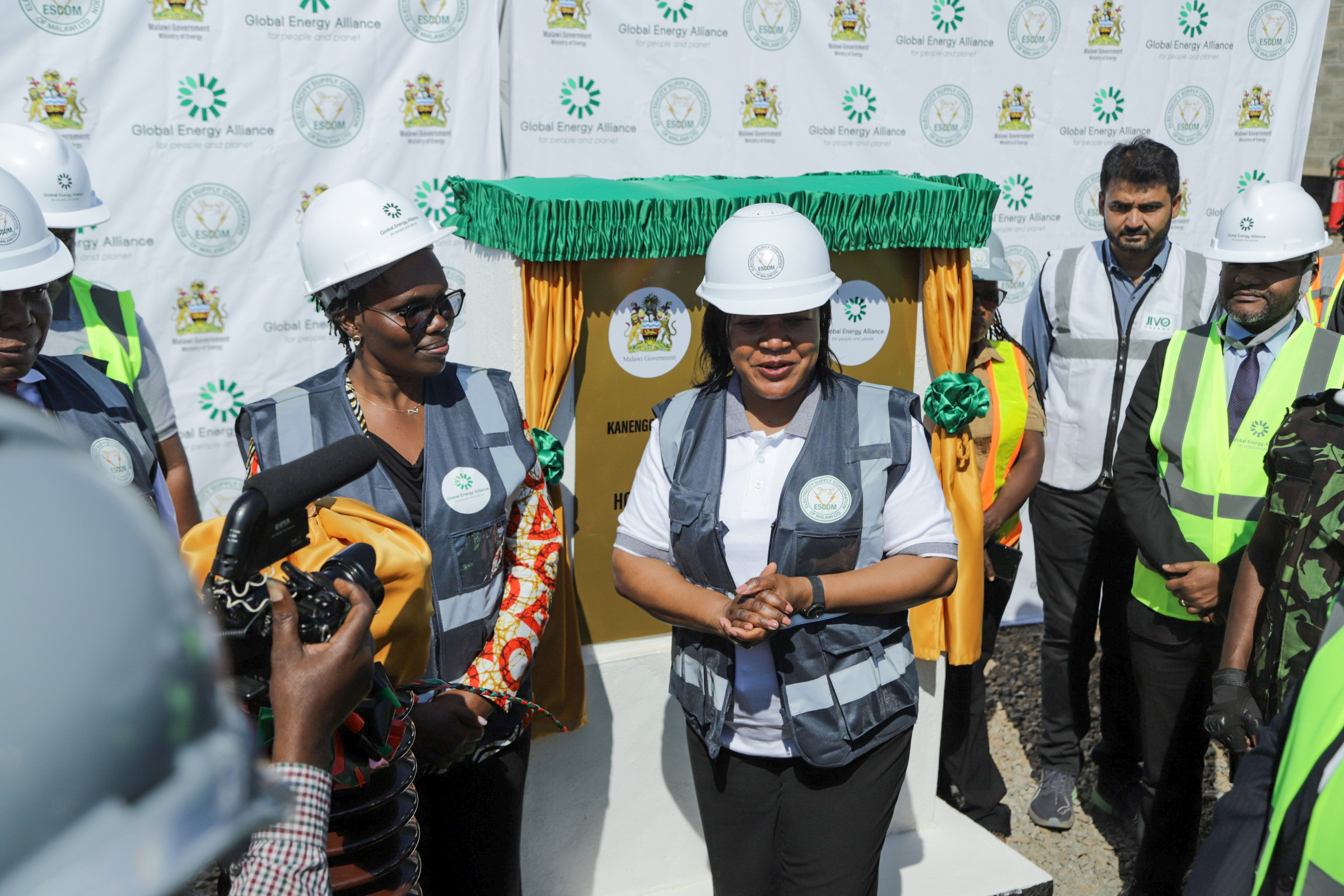
Malawi has commissioned its first utility-scale standalone Battery Energy Storage System (BESS), a 20 MW / 40 MWh installation in Kanengo, Lilongwe. The Electricity Supply Corporation of Malawi (ESCOM) Limited and the Global Energy Alliance for People and Planet (GEAPP) marked the milestone on July 24, 2026, with President Lazarus Chakwera participating in the commissioning ceremony.
Grid Impact
The project unlocks about 100 MW of renewable capacity that would otherwise have been stranded on Malawi's constrained grid, and is expected to cut roughly 10,000 tons of CO₂ per year by displacing costly diesel generation used to firm up the system. ESCOM says the BESS will improve grid stability, extend hours of reliable service to households and businesses, and lay the technical groundwork for further renewable additions.
Financing And Model
GEAPP contributed a USD 20 million grant that anchored the project, which was competitively tendered by ESCOM. Analysts see the deal as a replicable template for other frontier African grids: pair concessional catalytic capital with utility-led procurement to bring down risk and enable follow-on private storage investment, echoing recent standalone BESS milestones in Spain and India.
Broader Africa Rollout
GEAPP describes the Malawi commissioning as its largest BESS milestone in Africa to date and part of a broader continental push. Battery storage is increasingly viewed by development finance institutions as the fastest route to reliable, low-carbon power in economies where grid instability and diesel dependence limit growth — a theme also playing out in large U.S. hybrid solar-plus-storage projects.
For Malawi, the 20 MW / 40 MWh system is the first step toward a modernized, resilient grid — but ESCOM has already signaled plans for a follow-on tranche.
Reporting based on coverage from PR Newswire, the Global Energy Alliance for People and Planet, ESCOM Limited and Sustainability MEA.