
Mercedes-Benz is officially in the counter-drone business. The German automaker signed a memorandum of understanding with Munich-based defence startup Tytan Technologies at the ILA 2026 Berlin air show to build a vehicle-mounted air-defence platform called Drone Defender, fitting Tytan's interceptor drones and sensor arrays onto commercial Sprinter vans and military-grade G-Class SUVs.
From Spare EV Capacity To Air Defence
The collaboration marks Mercedes-Benz's first formal step into European rearmament, joining a widening group of carmakers redirecting underused capacity toward defence as electric-vehicle demand softens and Chinese rivals chip away at market share. Production numbers and timelines are still under wraps, but Tytan's new Munich plant is scheduled to come online in late December and is being scaled for thousands of interceptors per month.
Metis Interceptors Meet The G-Class
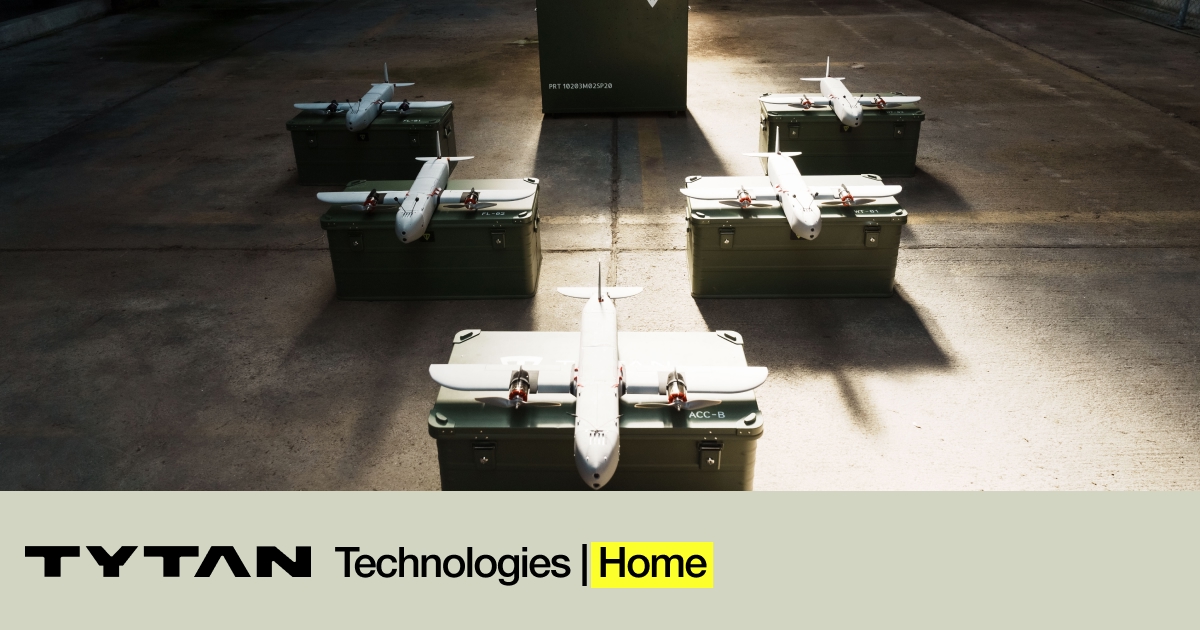
The Drone Defender is designed to engage small FPV-style drones — the cheap, agile threats that have come to dominate the war in Ukraine. Tytan's autonomous Metis interceptors hunt hostile drones and defeat them through direct kinetic ramming or a localised warhead detonation, while the host vehicle provides mobility, power and command-and-control.
European Counter-Drone Market Heats Up
The Mercedes-Tytan deal lands as European militaries race to field affordable counter-UAS capacity. Milrem Robotics opened a Dutch THeMIS line for Ukraine earlier this week, while Boeing unveiled the MQ-28 Ghost Bat Block 3 at the same Berlin show. The agreement carries export-control and defence-law caveats, but the strategic signal is clear: Europe's auto giants are taking on counter-drone hardware directly rather than ceding the segment to pure-play defence challengers like Saronic.
Reporting based on coverage from CNBC, DroneXL and Investing.com.