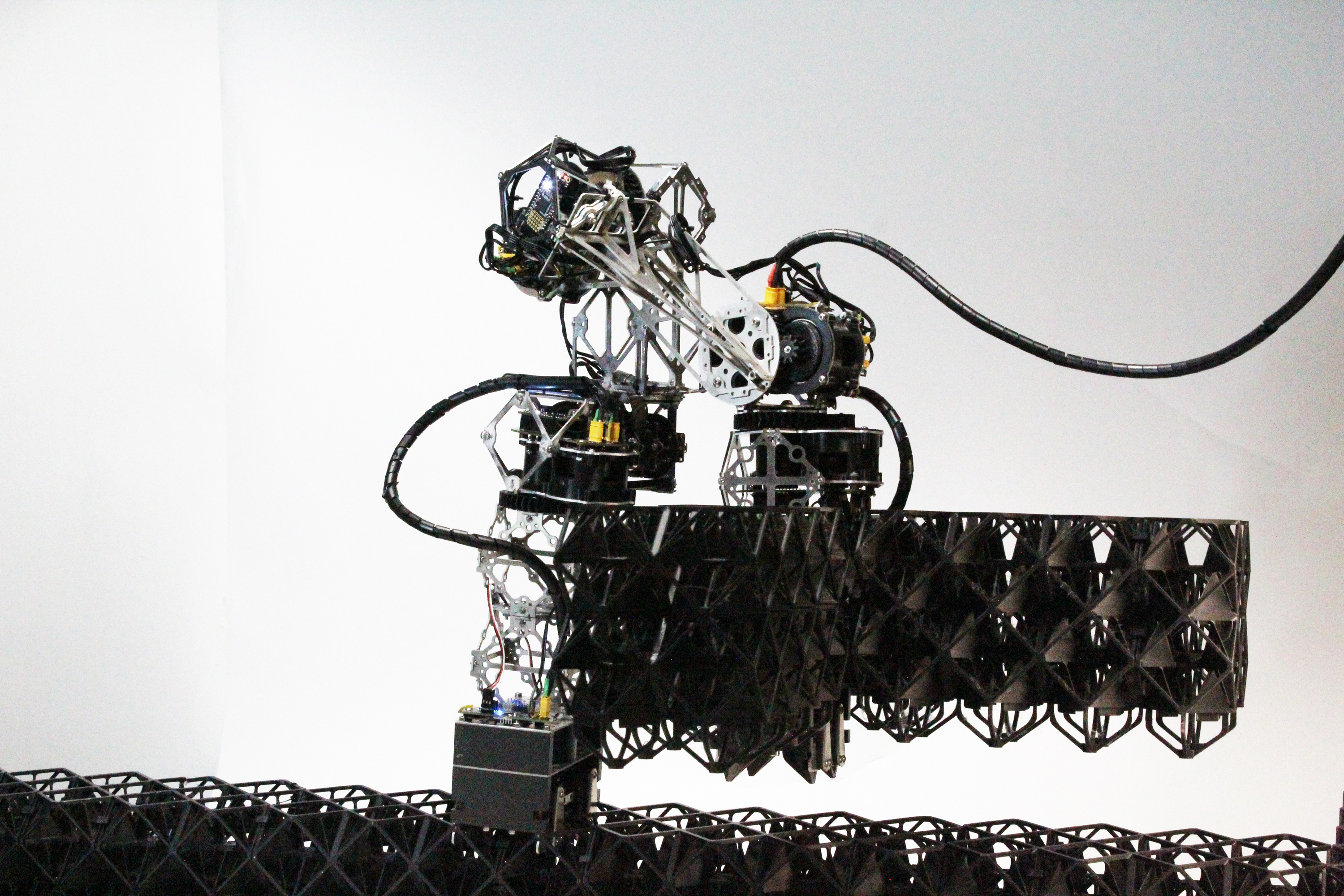
MIT researchers have developed robotically assembled building blocks that reduce construction material waste by 40-60% while enabling continuous 24/7 construction without human intervention.
The system uses large-scale additive manufacturing with multi-axis control systems and hydraulic power for heavy-duty operations. The robotic platform can construct complex geometries impossible for human builders while maintaining precision levels unattainable through traditional methods.
Automated Construction Advantages
Unlike conventional construction that relies on human labor and standardized materials, the MIT robotic system operates continuously without fatigue. The automated material deposition technology eliminates human error while creating structures with geometric complexity previously impossible to build.
The technology addresses two critical construction industry challenges: labor shortages and material waste. Traditional construction methods generate substantial waste through imprecise cuts and overordering materials.
Industry Implementation Challenges
Widespread adoption faces regulatory hurdles as building codes and safety standards require updates to accommodate robotic construction methods. The technology's deployment timeline depends on how quickly regulatory frameworks adapt to automated building processes.
The research represents part of a broader shift toward construction automation, with robots moving from assistance roles to primary builders capable of handling entire structure assembly from foundation to completion.