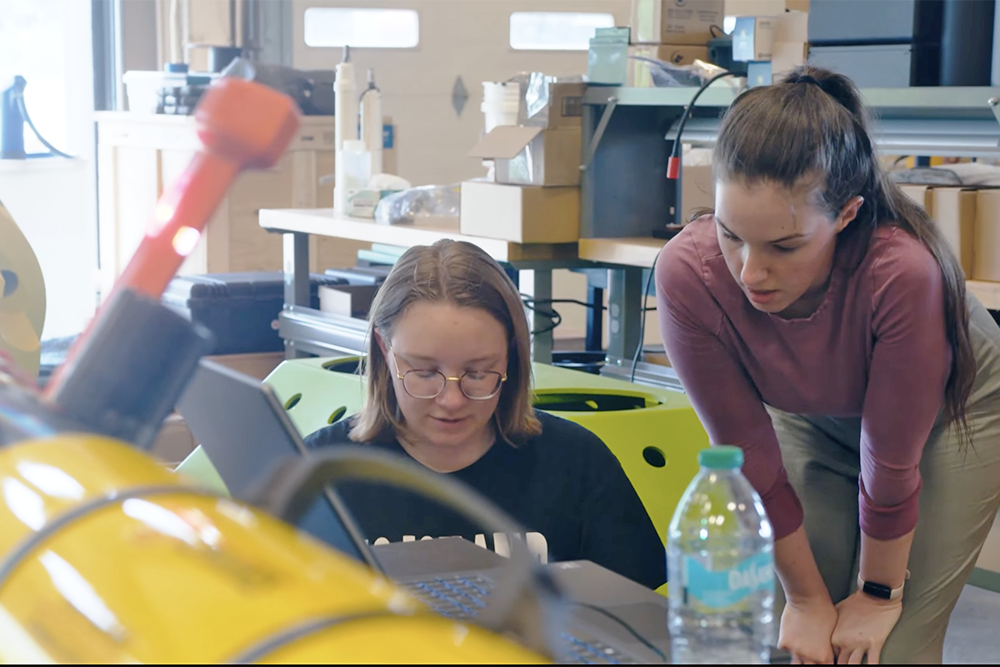
MIT researchers have developed new coding methodologies specifically designed for underwater robotics applications, emphasizing collaborative development approaches in laboratory environments. The project highlights the growing demand for autonomous underwater vehicles (AUVs) in marine research and commercial applications.
Technical Innovation in Marine Robotics
The underwater robotics coding framework addresses unique challenges including signal transmission limitations, pressure resistance requirements, and autonomous navigation in GPS-denied environments. Traditional robotics programming requires significant modifications for underwater deployment due to communication constraints and environmental factors.
The MIT team's collaborative approach combines cross-functional expertise in mechanical engineering, computer science, and marine technology. This methodology enables faster iteration cycles and more robust testing protocols for underwater systems.
Market Applications and Impact
The global underwater robotics market reached $4.2 billion in 2023, with autonomous underwater vehicles representing the fastest-growing segment at 15.8% CAGR. Applications span offshore energy inspection, marine biology research, underwater construction, and defense operations.
The collaborative development model demonstrated by MIT researchers addresses industry challenges in recruiting specialized talent and accelerating time-to-market for underwater robotics solutions. The approach emphasizes hands-on testing in controlled laboratory conditions before ocean deployment.