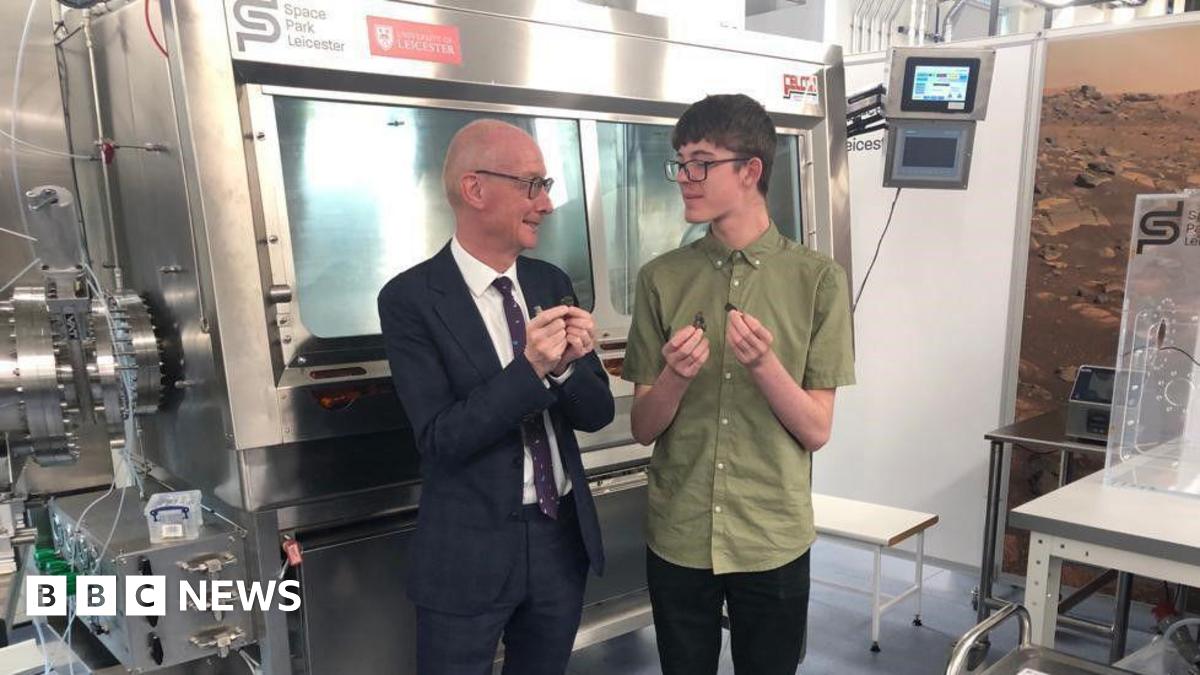
NASA and European Space Agency officials visited Leicester on Monday to evaluate a robotic laboratory system designed for analyzing extraterrestrial samples. The University of Leicester's Double-Walled Isolator (DWI) at Space Park Leicester demonstrated how future lunar and Martian rock samples could be stored and tested without contamination.
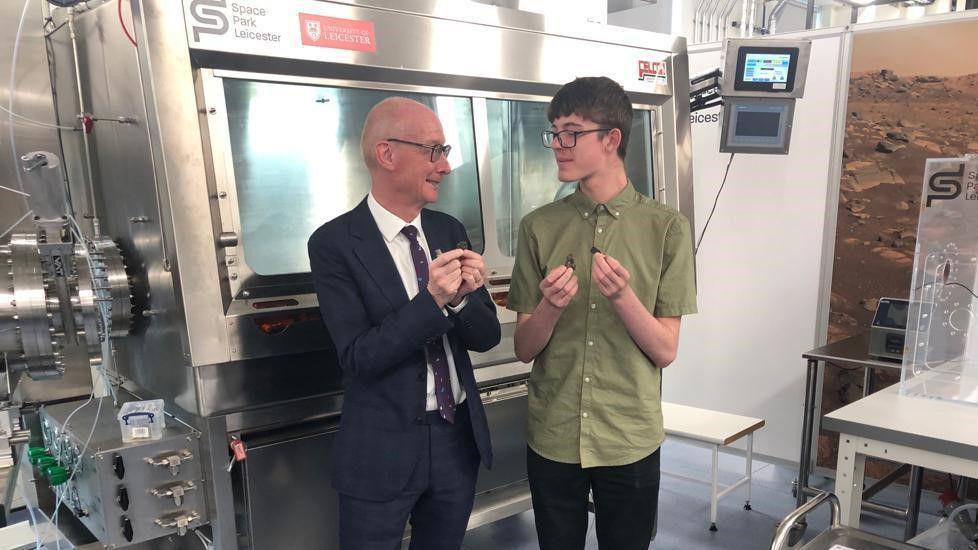
The ultra-clean miniature laboratory uses containment technology and robotic handling systems to prevent Earth organisms from contaminating space samples, which could mask potential signs of extraterrestrial life. During the demonstration, NASA representatives watched as a dummy sample was unpacked, weighed, and repacked using the automated system.
Precision Robotics for Space Analysis
The DWI's robotic systems offer higher precision than human hands, potentially accelerating the release of scientific results to researchers worldwide. John Holt, the project's principal investigator, said NASA's visit "underscores" their interest in Leicester-developed space technologies for cataloguing and characterizing future lunar samples.

Originally developed for a potential Mars sample return mission, NASA indicated the DWI could support its current Artemis II lunar program. The system provides "planetary protection" by preventing any potential extraterrestrial organisms from reaching Earth's ecosystems while preserving sample integrity for scientific analysis.
Multi-Institution Collaboration
NASA's UK visit also included stops at two London-based project partners: The Natural History Museum for curation expertise and the Francis Crick Institute for containment technology. The Francis Crick Institute's experience with highly infectious viruses provides critical knowledge for safely handling unknown extraterrestrial materials.