SpaceX Ignites All 33 Engines on Booster 20 Ahead of Starship Flight 13
SpaceX completed a full-duration, 33-engine static fire of Super Heavy Booster 20 at Starbase on July 10, clearing the last major ground test before Starship's 13th launch — potentially as soon as July 15.
Key Takeaways
SpaceX static-fired all 33 Raptor 3 engines on Super Heavy Booster 20 for roughly 24 seconds at Starbase on July 10, 2026 — the longest 33-engine ground burn to date.
The test clears the final major ground milestone before Starship Flight 13, with FAA notices showing a launch opportunity as soon as July 15 plus a two-day backup window.
Ship 40, which completed a six-engine static fire on July 2, will fly the upper stage on a profile mirroring Flight 12, including an in-space Raptor relight and Indian Ocean splashdown.
Booster 20 is only the second V3 Super Heavy to reach the pad; Starship V3 targets full reusability and over 100 tonnes to low-Earth orbit, key for NASA's Artemis lunar-lander plans.
A successful Flight 13 would unblock the next V3 test cadence, including the first-ever Ship catch back at Starbase using the launch tower.
Kaan Tınmaz
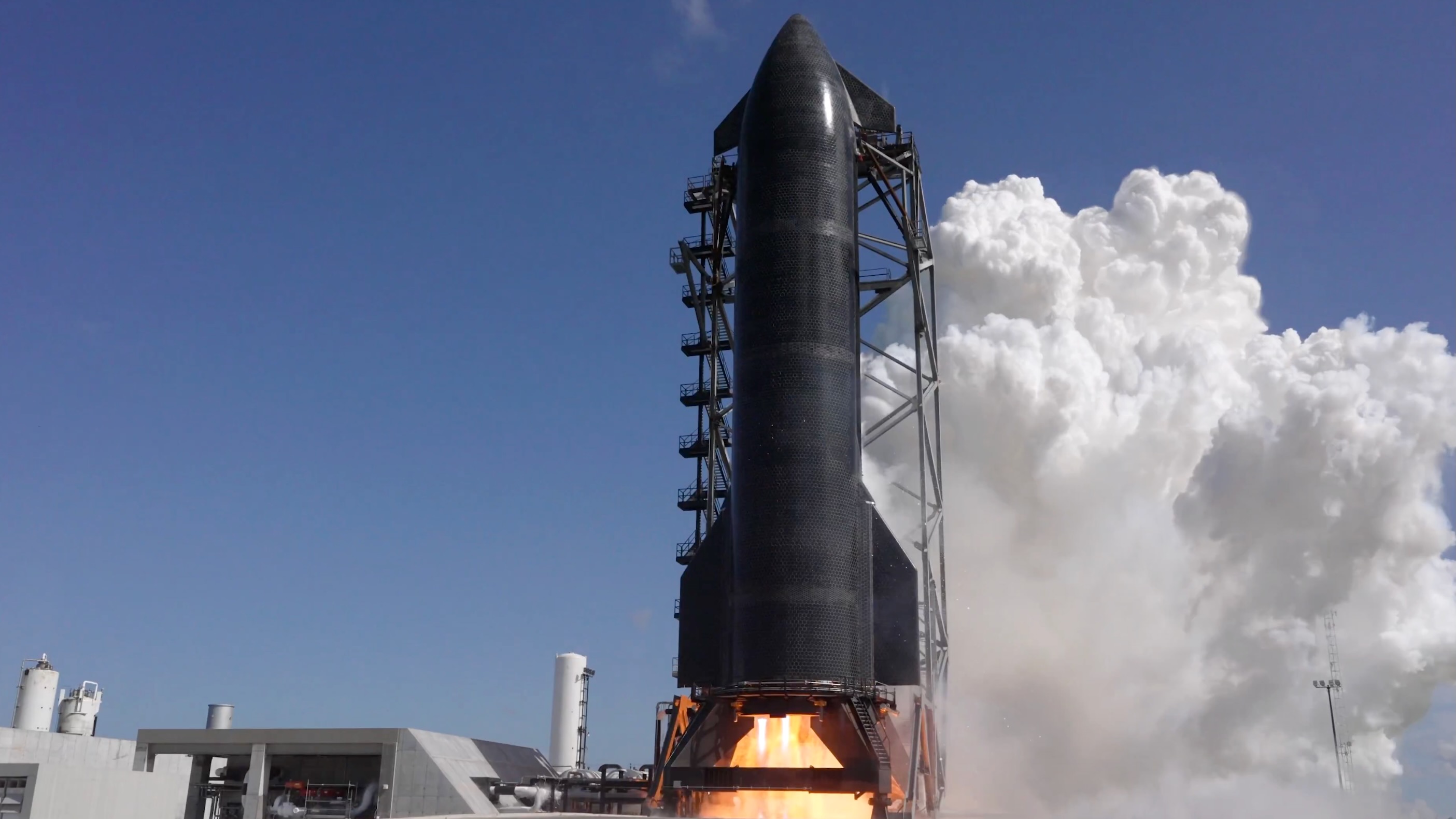
SpaceX completed a full-duration static fire of Super Heavy Booster 20 at Starbase, Texas on Friday, July 10, 2026, igniting all 33 upgraded Raptor 3 engines for roughly 24 seconds and clearing the final major ground test before Starship's 13th flight.
A record-length burn for the V3 booster
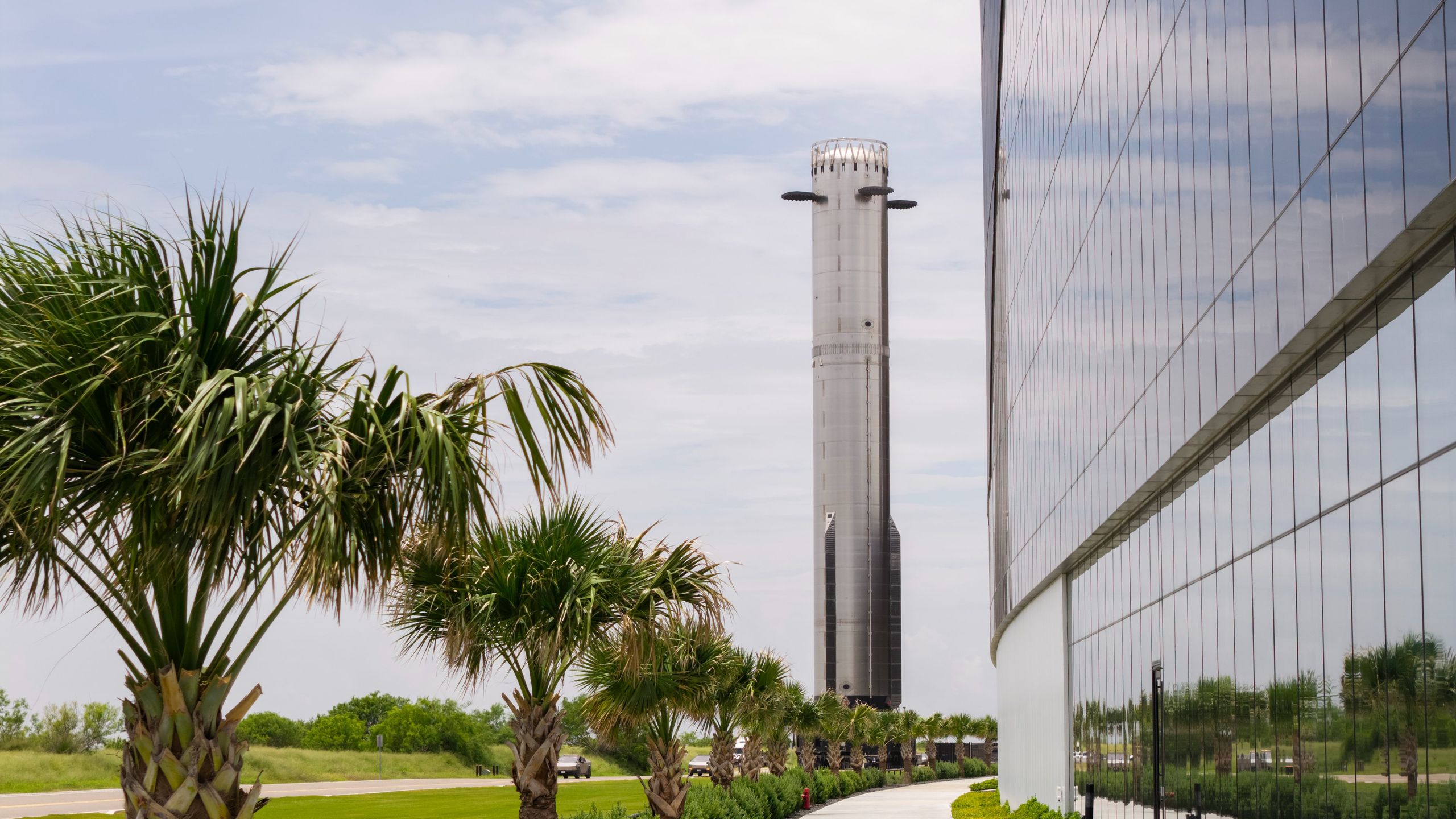
Booster 20 was rolled to the Starbase pad on July 9 and hoisted onto its support stand by the launch tower's Mechazilla chopstick arms. SpaceX transferred propellant to the pad's tank farm on Friday morning before firing the 33-engine cluster at 9:55 a.m. CDT, simulating on the launch stand the flight-like conditions of an actual liftoff. It is only the second V3 Super Heavy to reach the pad for testing and the longest 33-engine ground burn to date.
Flight 13 targeted for as early as July 15
Federal Aviation Administration notices covering Boca Chica and Mexican airspace show a Flight 13 opportunity as soon as Wednesday, July 15, with a two-day back-up window. Ship 40, which completed its own six-engine static fire on July 2, will fly the upper stage. The mission profile mirrors SpaceX's May Flight 12, including a Raptor relight in space and a soft splashdown of Ship in the Indian Ocean, with SpaceX also aiming to work through the Booster 19 landing failure that grounded the vehicle briefly earlier this year.
Why Version 3 matters for Artemis and beyond
Starship V3 is designed to be fully reusable and to lift over 100 tonnes to low-Earth orbit, with orbital propellant transfer required for NASA's Artemis lunar-lander missions. Flight 13's success would unblock the next V3 test cadence — including the first Ship catch back at Starbase — a milestone SpaceX has demonstrated repeatedly on Super Heavy but never on the upper stage. It arrives days after Impulse and Relativity joined SpaceX on NSSL Phase 3 Lane 1 and China's first orbital rocket sea recovery, underscoring how quickly reusable launch is becoming the industry baseline.
Reporting based on coverage from Space.com, NASASpaceflight and SpaceX.
FAA notices covering Boca Chica and Mexican airspace show a launch opportunity as soon as Wednesday, July 15, 2026, with a two-day backup window.
What did SpaceX test on July 10, 2026?
SpaceX performed a full-duration static fire of Super Heavy Booster 20 at Starbase, Texas, igniting all 33 upgraded Raptor 3 engines for about 24 seconds — the longest 33-engine ground burn to date.
What is the mission profile for Starship Flight 13?
Flight 13 mirrors May's Flight 12: Ship 40 will fly the upper stage, perform a Raptor relight in space, and attempt a soft splashdown in the Indian Ocean, while SpaceX also addresses the Booster 19 landing failure from earlier in the year.
Why does Starship Version 3 matter for NASA's Artemis program?
Starship V3 is designed to be fully reusable and lift over 100 tonnes to low-Earth orbit, with orbital propellant transfer required for NASA's Artemis lunar-lander missions.