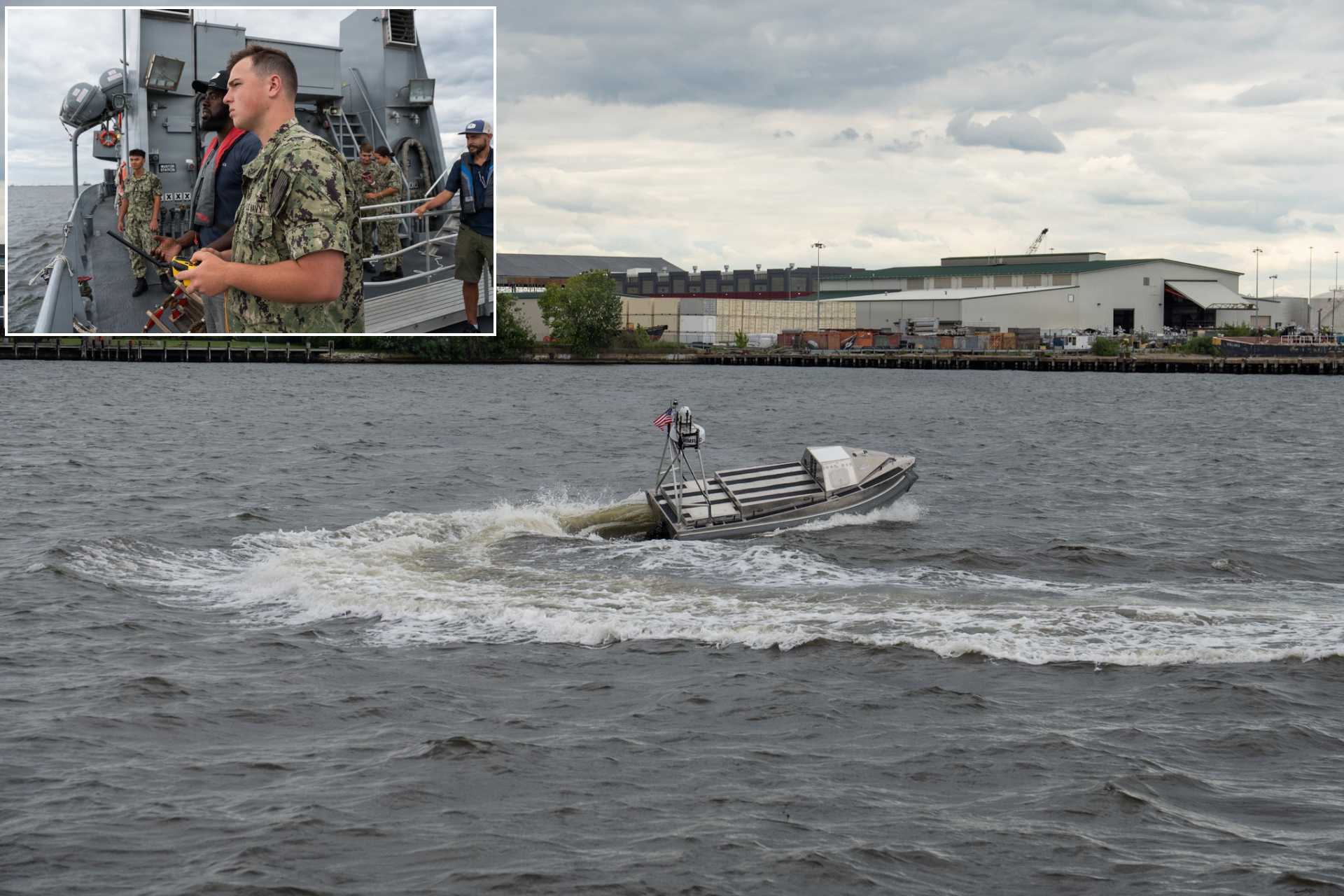
The U.S. Naval Academy has completed its first YP NEXT training block, using Yard Patrol craft as motherships to launch and control unmanned aerial, surface and underwater systems — the first time robotics has been deployed from YPs in Annapolis. The July-August 2026 block is designed to prep the next generation of Navy and Marine Corps officers for the distributed crewed-uncrewed formations the fleet expects to fight with in the Western Pacific.
The Drone Roster
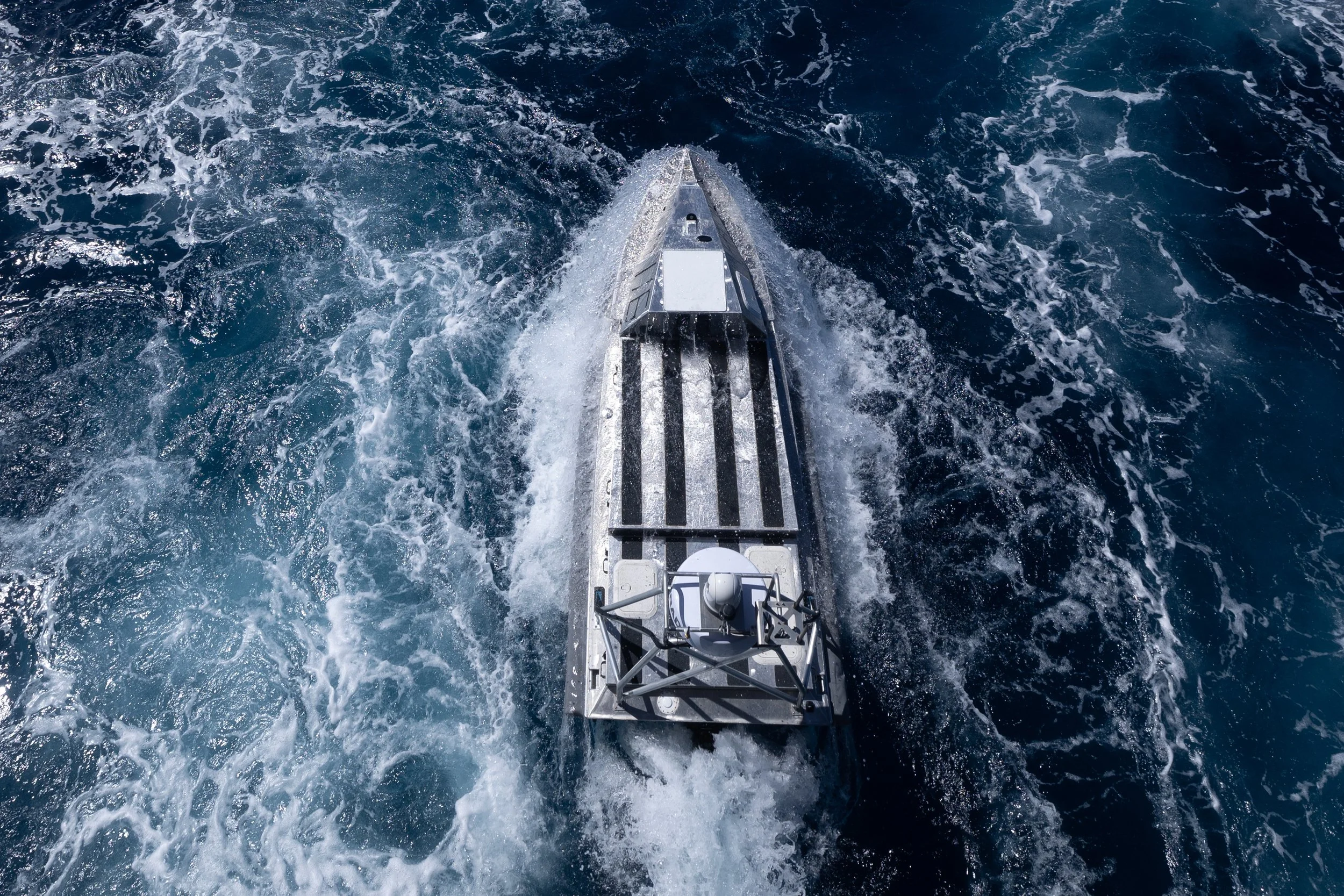
Midshipmen worked with an operationally relevant lineup: Havoc AI's Rampage unmanned surface vessel, BlackSea Technologies' Global Autonomous Reconnaissance Craft (GARC), Jaia Robotics' JaiaBot aquatic drones, 80 Neros Technologies Archer FPV attack quadcopters, and Skydio UAVs. Rampage brings an immediate Indo-Pacific hook — U.S. forces have already tested the 14-foot USV in the Philippines for coastal ISR — while GARC, freshly used in RIMPAC 2026's kamikaze SINKEX against ex-USS Peleliu and BALTOPS 2026 swarming with USS Mount Whitney, gives the Academy a system already being fielded across NATO waters.
Field Day, Game Day, Then The Bay
The block opened with an industry-led Field Day introducing Rampage, GARC and JaiaBot, then rolled into a simulated 'Game Day' developed with Johns Hopkins Applied Physics Lab — midshipmen coded custom search patterns for hydrographic mapping, target detection, ID and simulated neutralisation. The 80 Neros Archer FPVs were tied into the U.S. government's Drone Dominance push, echoing recent work like the Marine VXE30 Stalker experiments carrying Archer and Neros's fresh $250M Series C.
Building The Command Layer
Following the Annapolis phase, midshipmen transited the Chesapeake to visit BlackSea Technologies in Baltimore — where GARC is being built at roughly one hull a day at the former Bethlehem-Fairfield Shipyard — attended the University of Delaware's Autonomous Systems Bootcamp in Lewes, and closed out with Naval Special Warfare exposure at Little Creek. The Navy is currently planning 47 Medium Unmanned Surface Vessels through 2031 en route to 72 hulls, so officers who graduate from YP NEXT-era classes are on track to enter a fleet where crewed and uncrewed platforms share the same kill chain by default, echoing the broader RIMPAC 2026 unmanned expansion.
Why It Matters
YP NEXT is really a training program about the command layer, not the vehicles themselves. Midshipmen learn early that FPVs can be jammed, that one operator will soon shepherd many autonomous units, and that a small ship can act as a control node for air, surface and undersea drones simultaneously. That intuition — treating autonomous vehicles as normal components of a maritime formation — is the harder half of the crewed-uncrewed problem the fleet is now racing to solve.
Reporting based on coverage from Army Recognition and U.S. Naval Academy releases.