Octopus Australia and Sydney-based development partner Enervest have referred the 1.2GW/4.8GWh Hanworth Battery Project in New South Wales for assessment under Australia’s Environment Protection and Biodiversity Conservation (EPBC) Act, taking one of the country’s largest planned battery energy storage systems a step closer to construction, Energy-Storage.news reported on August 28, 2026.
What is being built
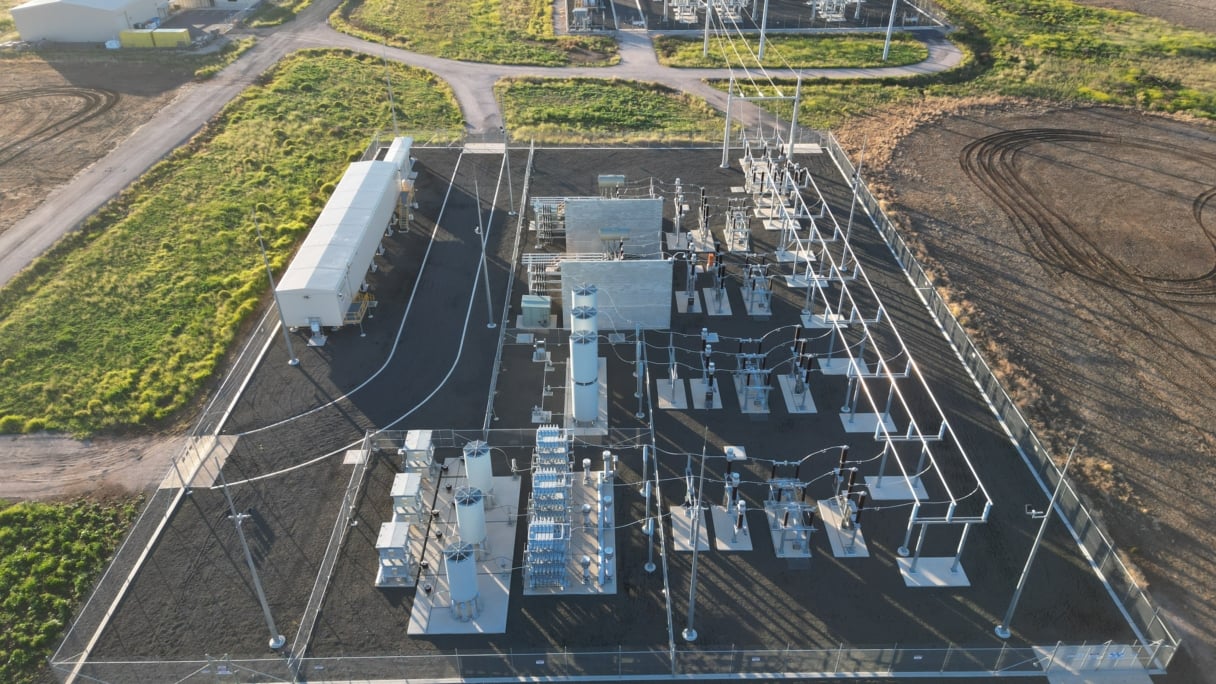
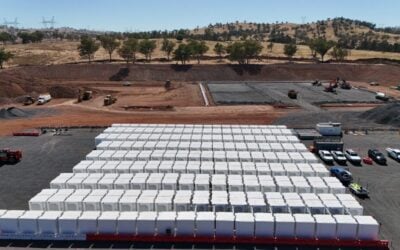
The project would sit on a 136.98-hectare site in Bannaby, in the Upper Lachlan Shire of NSW about 46km northeast of Goulburn, and connect to Transgrid’s network via an underground line into the existing 500kV Bannaby Substation. The referral describes around 708 battery containers, a 33kV/500kV substation and associated switchyard equipment. Construction and commissioning are expected to take 32 months, with a January 2028 start and a 25-year operating life.
How it stacks up in the pipeline
Hanworth is classified as State Significant Development under NSW planning law with an estimated capital cost of about AU$1.9 billion (US$1.24 billion), which means the EPBC referral runs in parallel with a state-level environmental impact assessment. Octopus Australia describes Hanworth as Australia’s largest planned BESS. The company acquired the project from Enervest earlier in 2026 and manages a AU$16 billion portfolio and pipeline across wind, solar and battery storage.
Environmental findings
The proponent’s ecological assessment evaluated 57 listed threatened species and three threatened ecological communities within 10km of the site. Field surveys between July 2024 and July 2026 recorded the vulnerable Diamond Firetail woodland bird and the endangered Large-eared Pied Bat inside the project area. The referral concludes only one likely significant impact – on the Diamond Firetail – with up to 44.89 hectares of potential habitat affected, and treats the critically endangered White Box – Yellow Box – Blakely’s Red Gum Grassy Woodland community as present.
Why the timing matters
Hanworth joins a run of large EPBC referrals this year that includes Windlab and Squadron Energy’s 500MW Bungaban BESS in Queensland, ZEBRE’s 180MW/360MWh Noblevale battery and Samsung C&T Renewable Energy Australia’s 1,000MWh Boro project in NSW. The Clean Energy Investor Group, which represents 46GW of pipeline, has called for faster, more consistent decisions under the reformed Act. Hanworth also complements other big NSW builds such as CIP’s 500MW/1GWh Coalburn 1, ACME Solar’s 1,350MWh Rajasthan project, and Hithium’s Fraser Coast supply deal.
Reporting based on coverage from Energy-Storage.news, Octopus Australia and the EPBC Act public register.