OpenAI Launches GPT-Live, A Full-Duplex Voice Model For Real Conversations
OpenAI has launched GPT-Live, a new full-duplex voice model that listens and speaks simultaneously, powering an upgraded ChatGPT Voice experience globally.
Key Takeaways
OpenAI launched GPT-Live on July 8, 2026, a full-duplex voice model that listens and speaks simultaneously, now the default for ChatGPT Voice on iOS, Android, and ChatGPT.com.
GPT-Live continuously processes audio and decides many times per second whether to speak, pause, interrupt, or invoke a tool, enabling acknowledgements like 'mhmm' and mid-sentence translation.
Voice is decoupled from reasoning: GPT-Live handles live audio while delegating web search, agentic tasks, and heavy reasoning to GPT-5.5 in the background, with Instant, Medium, and High modes.
GPT-Live-1 is the default for Go, Plus, and Pro subscribers; GPT-Live-1 mini is the default on the free tier, and developers can sign up for API access.
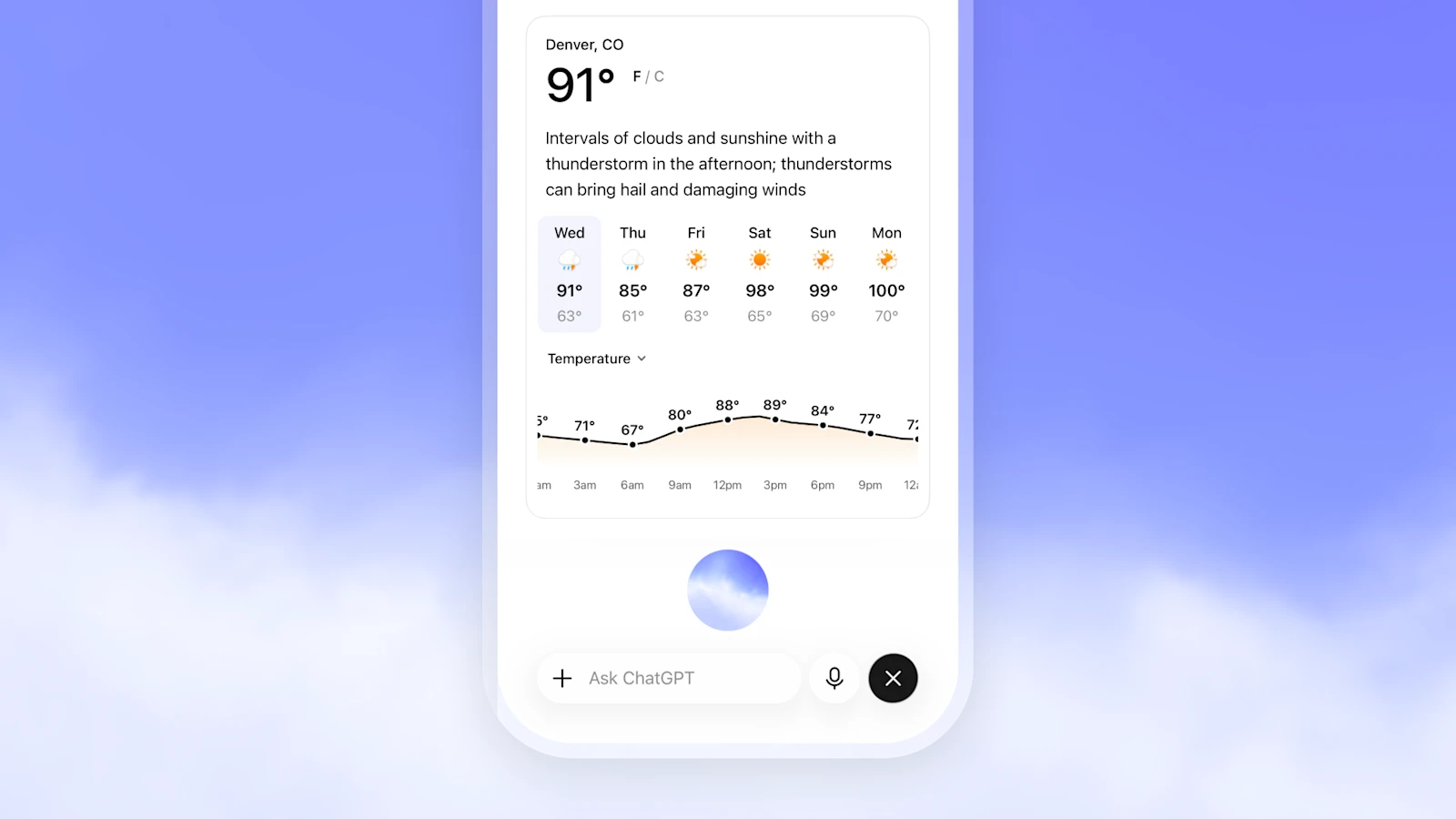
ChatGPT Voice now shows visual cards for weather, stocks, sports, and maps mid-conversation, and GPT-Live was red-teamed on audio-native safety evaluations with safeguards that can steer or end risky calls, plus parental controls.
Kaan Tınmaz
OpenAI has launched GPT-Live, a new generation of voice models built on a full-duplex architecture that lets ChatGPT listen and speak at the same time. The company announced the release on July 8, 2026, and immediately rolled it out as the new default for ChatGPT Voice across iOS, Android, and ChatGPT.com.
Continuous Listening, No More Turn-Taking Gaps
GPT-Live continuously processes audio while generating output, letting the model decide many times per second whether to speak, keep listening, pause, interrupt, or invoke a tool. In practice, ChatGPT can now emit acknowledgements like "mhmm" or "got it", hold silence while a user thinks, and pick up a translation mid-sentence — behaviours previous cascaded and turn-based voice stacks could not deliver.
GPT-5.5 In The Background For The Hard Work
The company also decoupled conversational voice from deeper reasoning. GPT-Live handles the live audio channel and delegates web search, agentic tasks, or heavy reasoning to GPT-5.5 in the background, keeping the conversation flowing while a second model works. Users can pick Instant, Medium, or High reasoning modes; GPT-Live-1 becomes the default for Go, Plus, and Pro subscribers, while GPT-Live-1 mini becomes the default on the free tier.
Visual Answers, Safer Voice, API Next
ChatGPT Voice now overlays rich visual cards for weather, stocks, sports, and maps while GPT-Live keeps talking, and can lean on the assistant's memory, search, and file uploads. OpenAI says GPT-Live was red-teamed on audio-native evaluations covering self-harm, psychosis, emotional reliance, violence, and sexual content, and shipped built-in safeguards that can steer or end a call in higher-risk situations, plus parental controls for teens. Video and screen-sharing are not yet supported. Developers can already sign up for API access.
GPT-Live is OpenAI's new full-duplex voice model, launched July 8, 2026, that listens and speaks at the same time. It powers the upgraded ChatGPT Voice experience by default across iOS, Android, and ChatGPT.com.
How does GPT-Live handle complex tasks like web search or reasoning?
GPT-Live manages the live audio channel and delegates web search, agentic tasks, and heavy reasoning to GPT-5.5 running in the background, keeping conversation flowing. Users can choose Instant, Medium, or High reasoning modes.
Which ChatGPT tiers get GPT-Live?
GPT-Live-1 is the default for Go, Plus, and Pro subscribers, while GPT-Live-1 mini is the default on the free tier. Developers can already sign up for API access.
Does GPT-Live support video or screen sharing?
No, video and screen-sharing are not yet supported. However, ChatGPT Voice can overlay visual cards for weather, stocks, sports, and maps while GPT-Live keeps talking, and it can use memory, search, and file uploads.