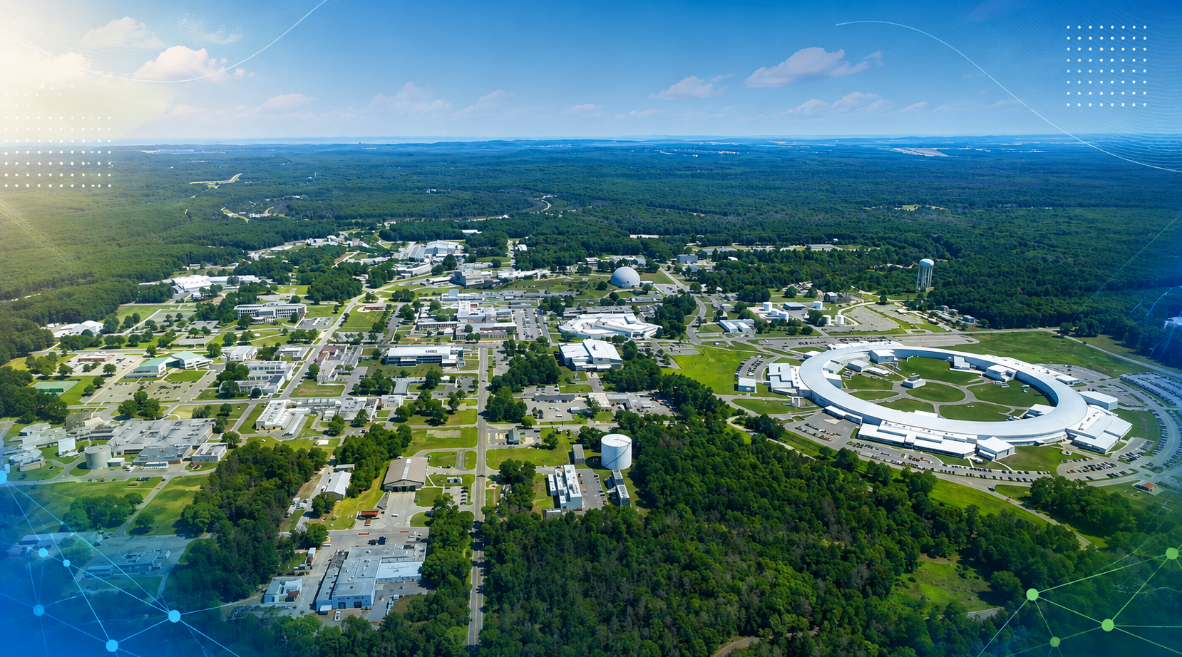
PsiQuantum and the U.S. Department of Energy's Brookhaven National Laboratory announced a research collaboration on September 2, 2026 that will hand Brookhaven scientists access to Construct, PsiQuantum's fault-tolerant quantum algorithm design platform, to develop applications for the first generation of utility-scale quantum machines.
Feeding the DOE's Quantum Genesis initiative
The partnership plugs directly into the DOE's Quantum Genesis initiative, a federal push to develop and deploy the world's first fault-tolerant, scientifically relevant quantum computing capability by 2028. Quantum Genesis itself is a foundational element of the DOE's wider AI-focused Genesis Mission. "DOE's new Quantum Genesis initiative requires innovative partnerships across our national labs, industry, academia, and government," said Gabriella Carini, Brookhaven Lab's Associate Laboratory Director for Discovery Technologies.

What Construct actually does
Construct is PsiQuantum's suite of tools for designing quantum circuits, writing and simulating fault-tolerant algorithms and estimating the physical resources those algorithms will need on utility-scale machines. PsiQuantum opened Construct to all developers as a free, open-access platform in May 2026 and has been steadily lining up national-lab partners since. Brookhaven researchers will use it to explore workloads across materials science, chemistry and cryptography that only make sense once error-corrected qubits arrive.
Public-private R&D at national-lab scale
"We're demonstrating how effective public-private collaboration can help accelerate scientific discovery," said Heath Bumgardner, PsiQuantum's Vice President of Government Relations. Brookhaven already leads DOE's Co-design Center for Quantum Advantage and, in August, launched a 13-mile free-space optical link with Stony Brook University as part of a widening quantum networking programme.
Reporting based on coverage from PsiQuantum, The Quantum Insider, HPCwire and Quantum Computing Report.