Grenoble-based deep-tech startup Quobly has raised €115 million ($134 million) in a Series A funding round to industrialize its silicon-based quantum computers and bring its first commercial product, Alloy Pioneer, to cloud customers by the end of 2026.
One Of Europes Biggest Quantum Rounds Of 2026
The round was led by French sovereign investor Bpifrance, Swiss cybersecurity firm SEALSQ and STMicroelectronics, with participation from the European Innovation Council, Blast, Air Liquide Venture Capital (ALIAD) and existing investor Innovacom. Existing shareholders CEA, CNRS, Quantonation and Supernova Invest also rejoined. It is one of Europes largest quantum computing rounds of 2026, exceeding Finlands IQM €128 million round earlier in the year and matching Pasqals last private financing.
Silicon Qubits On A 300mm Wafer
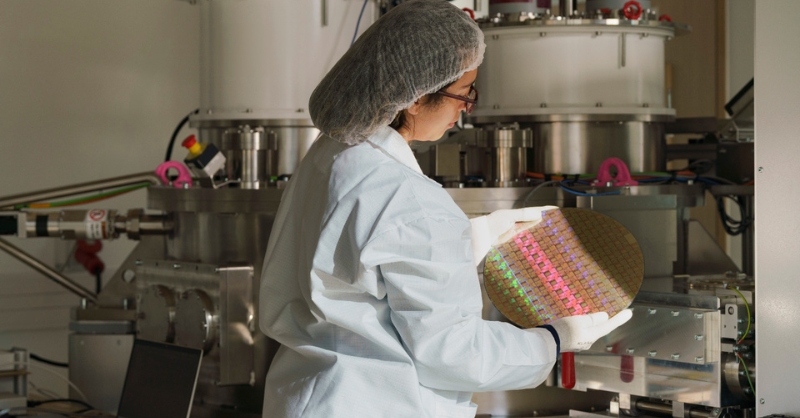
Quobly was founded in 2022 by Maud Vinet, Tristan Meunier and François Perruchot, spinning out of CEA-Leti research on silicon spin qubits. The companys thesis is that quantum computing will only scale if it can reuse existing semiconductor industrial processes, so its qubits are manufactured on 300mm FD-SOI wafers — the same node STMicroelectronics already produces for automotive and IoT silicon.

Alloy Pioneer Heads To The Cloud This Year
The capital will fund processor industrialization, the buildout of the Alloy Forge development environment for early users, and Quoblys global expansion. Alloy Pioneer, the first machine in the Alloy product line, will be available through the cloud in 2026 ahead of on-premises HPC deployment in 2027.
Why Investors Picked The Semiconductor Path
STMicroelectronics EVP Laurent Malier said the company sees its FD-SOI partnership with Quobly as the fastest path to industrial quantum, while Bpifrances Gwenaël Hamon framed the bet as a sovereign-tech play. The round lands as European policymakers prepare the Chips Act 2.0 and follows recent quantum momentum at NVIDIAs Computex push and the broader agentic AI infrastructure race.
Reporting based on coverage from Tech Funding News, The Next Web, Tech.eu, Sifted and HPCwire.