Agricultural drone company Rantizo, trading on Nasdaq as RNTZ, said on November 11, 2026 that it is pushing U.S. production of its heavy-lift Harvest 100 autonomous drone forward and targeting California's $61.2 billion agricultural market as its first major commercial proving ground.
What is the Harvest 100, and what makes it different?
The Harvest 100 is a heavy-lift autonomous drone designed to cover 500 acres a day using modular payloads that switch between spraying, seeding and forestry work. More than 70% of its parts come from the United States or allied nations, a figure Rantizo built around compliance with the National Defense Authorization Act and FAA rules governing larger drones. The aircraft falls into the over-55-pound weight class, and Rantizo describes it as BVLOS-capable and swarming-ready, meaning it's built to fly beyond the operator's direct line of sight and coordinate with other units in the same field.
Why California, and why now?
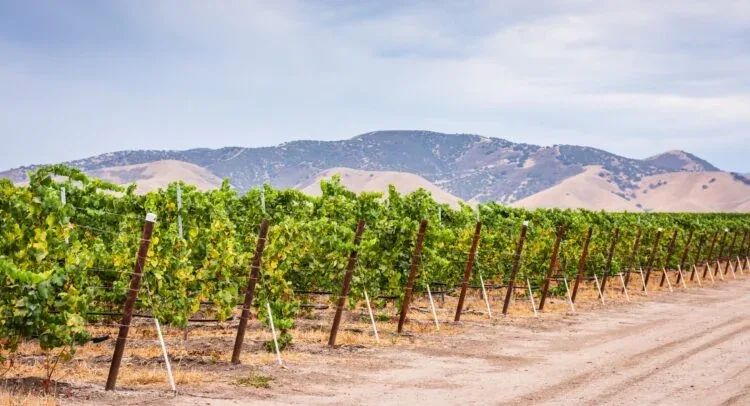
California's farms and ranches generated $61.2 billion in receipts in 2024, and Rantizo is launching commercial operations in Fresno, Tulare, Kings and Kern counties — the heart of the state's Central Valley fruit and nut production. The company plans to start with two pilot crews and scale to as many as four crews as contracted acreage grows. Rantizo already holds FAA certifications and operational authorizations in more than 15 states and has signed master spray agreements with agricultural distributors Nutrien and Helena, giving it existing sales channels to plug California customers into.
How does federal policy factor into this?
Rantizo is explicitly leaning on federal rules that favor domestically built hardware, including Executive Order 14307, FCC Covered List restrictions on certain foreign drone components, and Section 232 tariffs that can run up to 100% on targeted imports. Those policies raise costs for operators relying on foreign-made agricultural drones, which Rantizo is betting will push customers toward its Houston-built, majority-U.S.-parts aircraft. The FAA projects the country's large drone fleet growing from 8,295 aircraft in 2025 to 55,509 by 2030, and Rantizo wants a chunk of that growth in agriculture specifically.
What happens next?
Rantizo's public listing came together in October 2026 through a roughly $258.8 million acquisition of the drone assets of the original, Iowa City-founded Rantizo business, which pioneered agricultural drone spraying starting in 2018. Marianne McInerney, a former U.S. Department of Transportation official, now leads the company as president. Rantizo plans to sell Harvest 100 access through field service teams as well as direct aircraft purchases, leases and financing, with pilot training included — a broader go-to-market push than the pure spraying-service model the original Rantizo built its name on.