Rheinmetall will unveil prototypes of a humanoid combat robot within 15 to 18 months, chief executive Armin Papperger said on November 19, putting a timeline on one of Europe's most ambitious military robotics programs. Speaking at an economic summit organized by Süddeutsche Zeitung, Papperger said the Düsseldorf-based defense contractor is "investing heavily" in the project, with engineers currently building the machine's upper body.
Papperger gave no details on cost, unit numbers, or the specific battlefield tasks the robot would perform. He did identify the central obstacle: software, not hardware. The robots need artificial intelligence sophisticated enough to navigate contested terrain, assess fast-changing situations, communicate with human soldiers, and execute missions alongside them — a bar far higher than anything required of today's warehouse or factory humanoids.
A defense contractor chases a civilian-led race
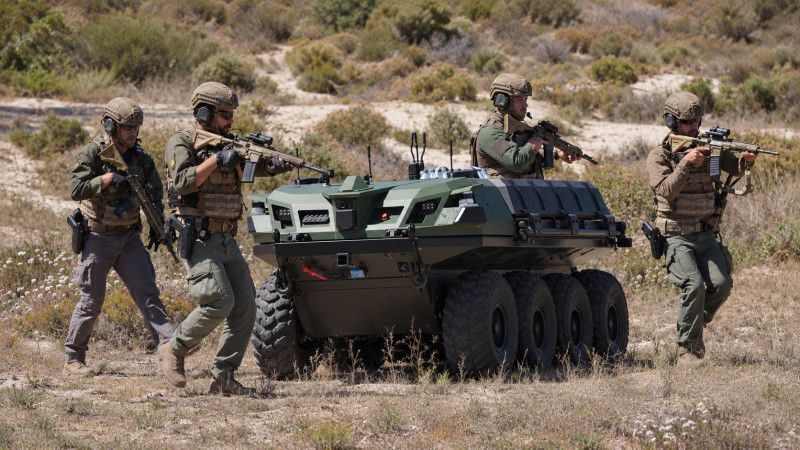
Rheinmetall is not starting from zero. The company already fields the Mission Master family of unmanned ground vehicles, wheeled and tracked robots used for transport, reconnaissance, medical evacuation, and fire support across NATO militaries. A legged, armed humanoid represents a different order of engineering problem: manipulation, balance, and autonomous judgment under fire, rather than simply hauling cargo or scouting terrain.
The announcement lands as humanoid robotics splits into two increasingly distinct markets. Companies like Figure, 1X, and Apptronik are racing to put humanoids into warehouses, auto plants, and homes, chasing scale and cost reduction. Defense primes including Anduril and now Rheinmetall are exploring a parallel, higher-stakes track where the payoff is reduced troop exposure rather than labor substitution. European governments, facing manpower shortages and watching drone warfare reshape the battlefield in Ukraine, have strong incentive to fund both.
What happens next
Papperger's 15-to-18-month window points to a reveal around the first half of 2028 — still well short of combat deployment. Expect scrutiny over which AI stack Rheinmetall licenses or builds in-house, since the company has signaled that autonomy software, not actuators or structure, is the long pole in the tent. Rivals in both the defense and commercial humanoid sectors will be watching how fast a traditional arms manufacturer can close the software gap that pure-play robotics startups have spent years narrowing.