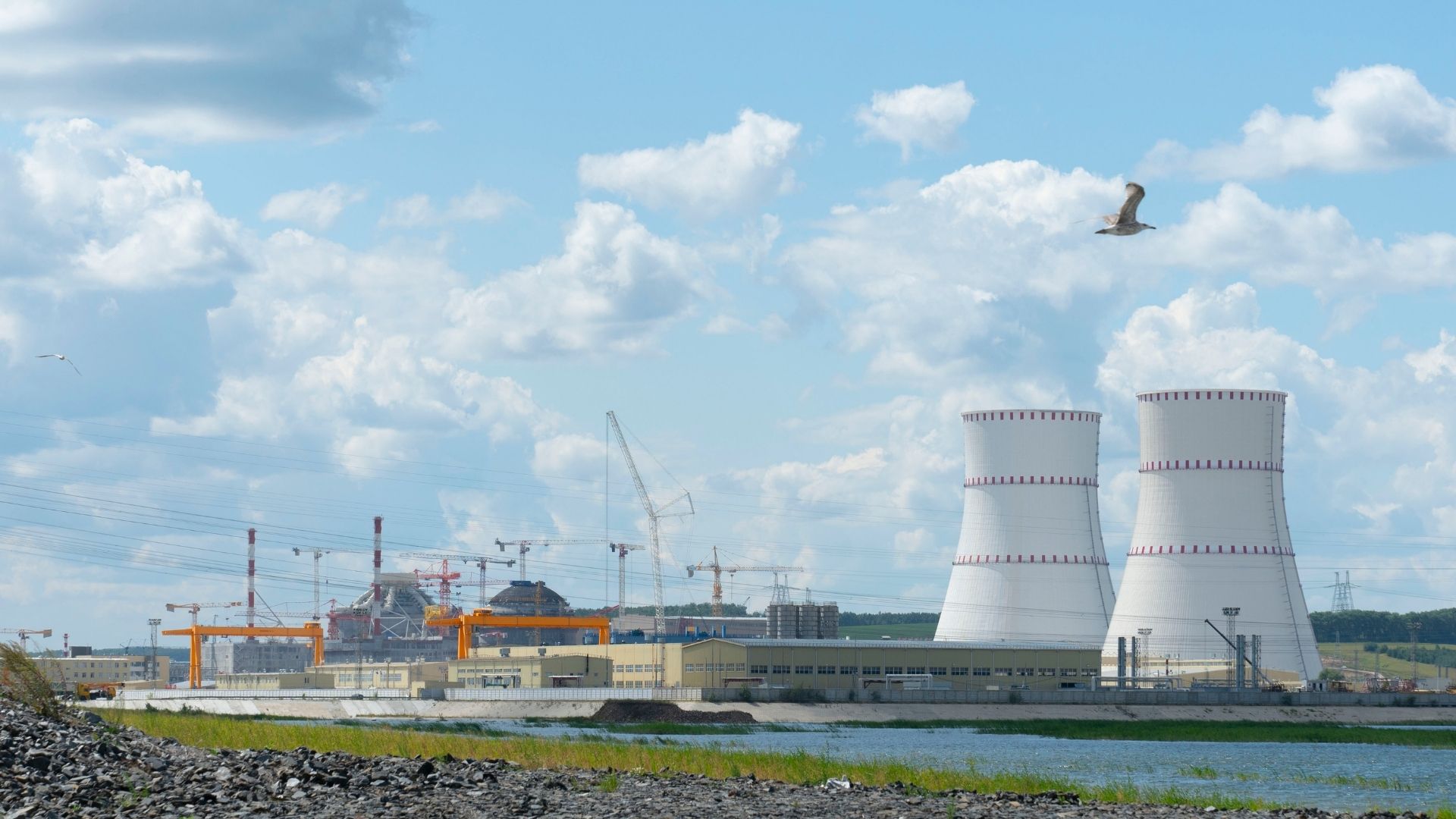
Russia's newest VVER-TOI nuclear reactor at the Kursk II power plant has generated more than 2 billion kWh of electricity since connecting to the grid in December, a milestone for the country's next-generation nuclear program. The 1,250 MW unit is currently the most powerful nuclear reactor in Russia and the first VVER-TOI to enter commercial service.
From grid connection to commercial operation
The reactor officially entered commercial operation on May 1 after completing its pilot industrial phase and receiving approval from Russian regulator Rostekhnadzor on April 27. It is now supplying power to Russia's Unified Energy System. Before commercial approval, the unit underwent more than 1,500 tests of its systems and equipment.
Operator Rosatom said the new reactor has pushed the Kursk Nuclear Power Plant above 3,000 MW of operating capacity, placing it among Russia's largest nuclear facilities. "Thanks to the VVER-TOI, the Kursk NPP has joined the ranks of Russia's largest nuclear power plants, operating at over 3,000 MW," said Kursk Nuclear Power Plant Director Alexander Uvakin.
Replacing aging RBMK reactors
The Kursk II facility is being built near the existing Kursk plant in western Russia and is part of a long-term plan to replace aging RBMK-1000 reactors. The first of those older units shut down in December 2021 after 45 years of operation, and the second was retired in January 2024. Construction of the first Kursk II reactor began in 2018, with the reactor vessel installed in June 2022; Rosatom said more than 90,000 people and around 250 contractors took part in the build.
The company is also building the second and third VVER-TOI units at the site, with four reactors planned in total and full capacity of 5,000 MW expected by 2034. The milestone adds to a global wave of reactor activity tracked on the site, from Sweden's six-SMR plant proposal to the US DOE's $94 million in light-water SMR awards.
Upgraded safety and fuel flexibility
Rosatom describes the VVER-TOI as the latest evolution of its large light-water reactor technology, featuring upgraded pressure vessels, extended equipment lifespan and a combination of active and passive safety systems. The design includes a core meltdown localizer intended to contain severe accident scenarios and can operate using 100% mixed-oxide (MOX) fuel, which contains uranium and plutonium. The Kursk II reactors are expected to fully replace the remaining older units at the nearby plant, all scheduled to shut down by 2031, echoing the licensing momentum seen at projects like NANO Nuclear's KRONOS microreactor.
Reporting based on coverage from Interesting Engineering, Rosatom and Atom Media.