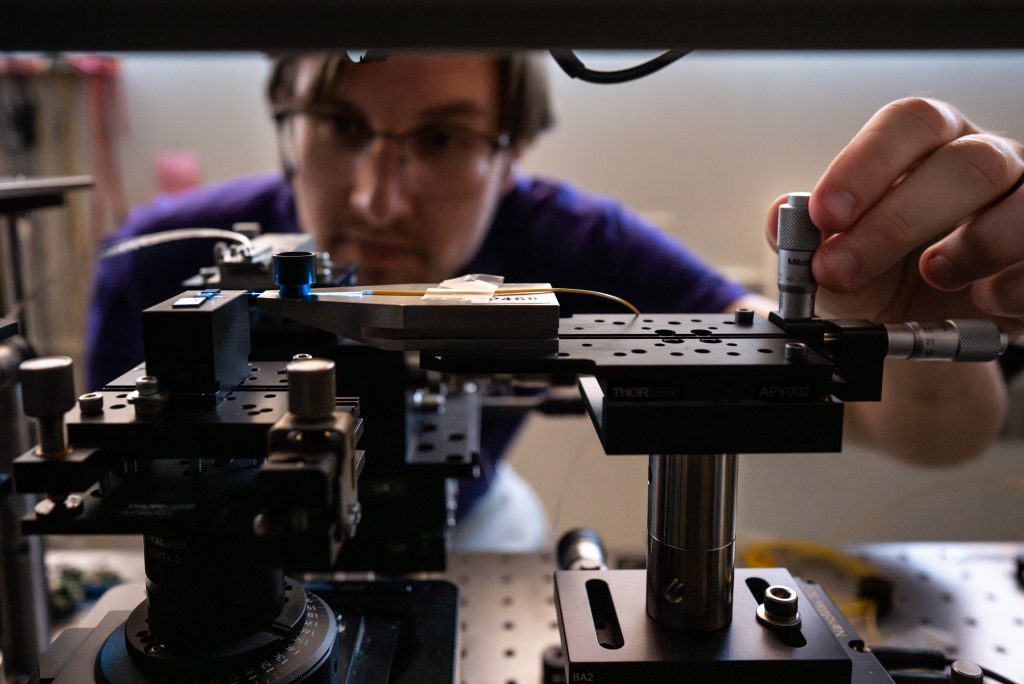
Sandia National Laboratories and Quantinuum published peer-reviewed benchmarks of the 98-qubit Helios trapped-ion quantum computer in the journal Nature on Monday, notching 99.921% two-qubit gate fidelity and 99.9975% single-qubit fidelity - the highest ever certified on a commercial general-purpose quantum system.
Nature paper cements Helios's numbers
The paper, first posted to arXiv and now peer-reviewed, reports state-preparation-and-measurement fidelity of 99.967% and provides new benchmarking methods for mid-circuit measurements, the non-destructive readouts required for real-time quantum error correction. Sandia's Robin Blume-Kohout co-authored the assessment; Quantinuum's Helios lead architect Tony Ransford said the numbers put Helios "beyond the capabilities of classical simulation alone" and set a new benchmark for fidelity and complexity. The Helios system, launched commercially November 2025 for Amgen, BMW Group, JPMorganChase and SoftBank Corp., runs 137Ba+ hyperfine qubits across a rotatable ion-storage ring with all-to-all connectivity, all controlled by the new Guppy Python-based programming language.
A CRADA that keeps producing results
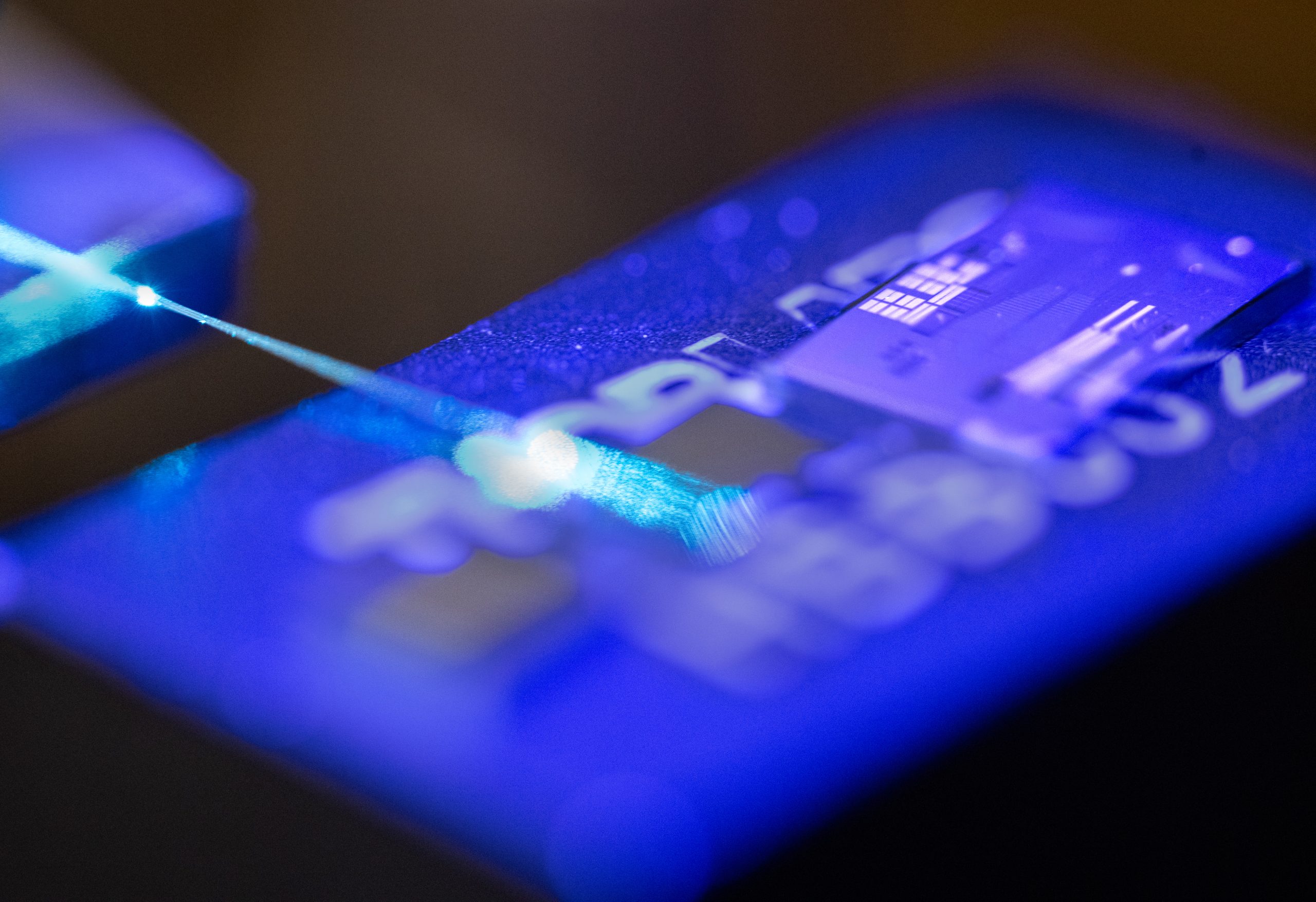
Sandia and Quantinuum have collaborated for four years under a Cooperative Research and Development Agreement, renewed this past May, that pairs Sandia's photonics work at the Microsystems Engineering, Science and Applications complex with Quantinuum's ion-trap chip stack. The lab helped design and test integrated photonic circuits meant to carry laser signals through microscopic optical channels - a critical piece of scaling trapped-ion machines beyond one hundred qubits. Quantinuum also broke ground on a new R&D center in New Mexico earlier this year, tightening the geographic loop with Sandia's Albuquerque campus.
Progress against DOE's fault-tolerance target
The certification lands during a stretch of unusually dense quantum activity: Quantinuum's UK gas-turbine consortium with Rolls-Royce and Riverlane, this month's BTQ-QPerfect close, and rising Chinese benchmarks like Zhongqi Wuliang's rack-scale unit at WAIC 2026. Sandia manager Mike Descour framed the Nature results as a marker on DOE's roadmap toward fault-tolerant systems that can solve problems classical machines cannot - and evidence that public-private CRADAs are moving faster than critics had feared.
Reporting based on coverage from Sandia National Laboratories, Nature, Quantinuum press releases and The Quantum Insider.