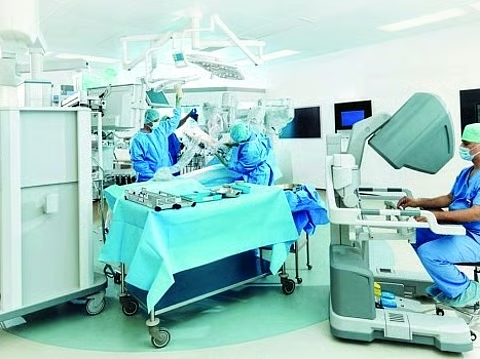
Sheikh Shakhbout Medical City (SSMC) in Abu Dhabi has surpassed 1,300 robotic-assisted surgeries since launching its program in 2020, the hospital announced on November 15, 2026. The milestone comes after the program recorded 42% growth in the first half of 2026 alone, and the hospital now performs more than 500 robotic procedures a year.
The program's case list has expanded well beyond its original scope. SSMC says it has performed the UAE's first robotic thyroid surgery, alongside complex procedures such as bile duct injury repair and emergency robotic urology operations, moving robotic assistance from a niche surgical tool into a routine option across multiple specialties.
Why the Milestone Matters
"Robotic surgery has transformed the delivery of care for complex conditions around the world," said Dr. Marwan Al Kaabi, CEO of SSMC. "If I were to describe the next chapter of healthcare in one word, it would be 'precision.'"
The Gulf region has become one of the fastest-growing markets for surgical robotics as hospital groups compete to attract patients who might otherwise travel abroad for advanced care. SSMC's growth rate echoes a broader regional pattern: hospitals across the UAE and Saudi Arabia have been adding robotic platforms and expanding case types rapidly, betting that precision and shorter recovery times will draw both local and international patients. The 42% half-year growth figure suggests SSMC is outpacing the general global expansion rate for robotic surgery adoption, which has typically grown in the low double digits annually at established Western hospital systems.
Al Kaabi was careful to frame the milestone as more than a hardware story. "Technology alone does not transform healthcare; people do," he said. "We are still at the beginning of exploring what is possible." That framing matters for an industry where surgical robot makers like Intuitive Surgical, Medtronic and CMR Surgical are competing heavily on placements, and hospitals are increasingly judged not just on how many systems they own but on how deeply they've integrated robotics into everyday specialties like thyroid and urologic surgery.
What Comes Next
SSMC has not announced specific targets beyond continuing to broaden the range of procedures performed robotically. With volume climbing 42% in just six months, the hospital looks positioned to keep adding specialties, and its progress will likely be watched closely by other Gulf hospital systems weighing similar investments.