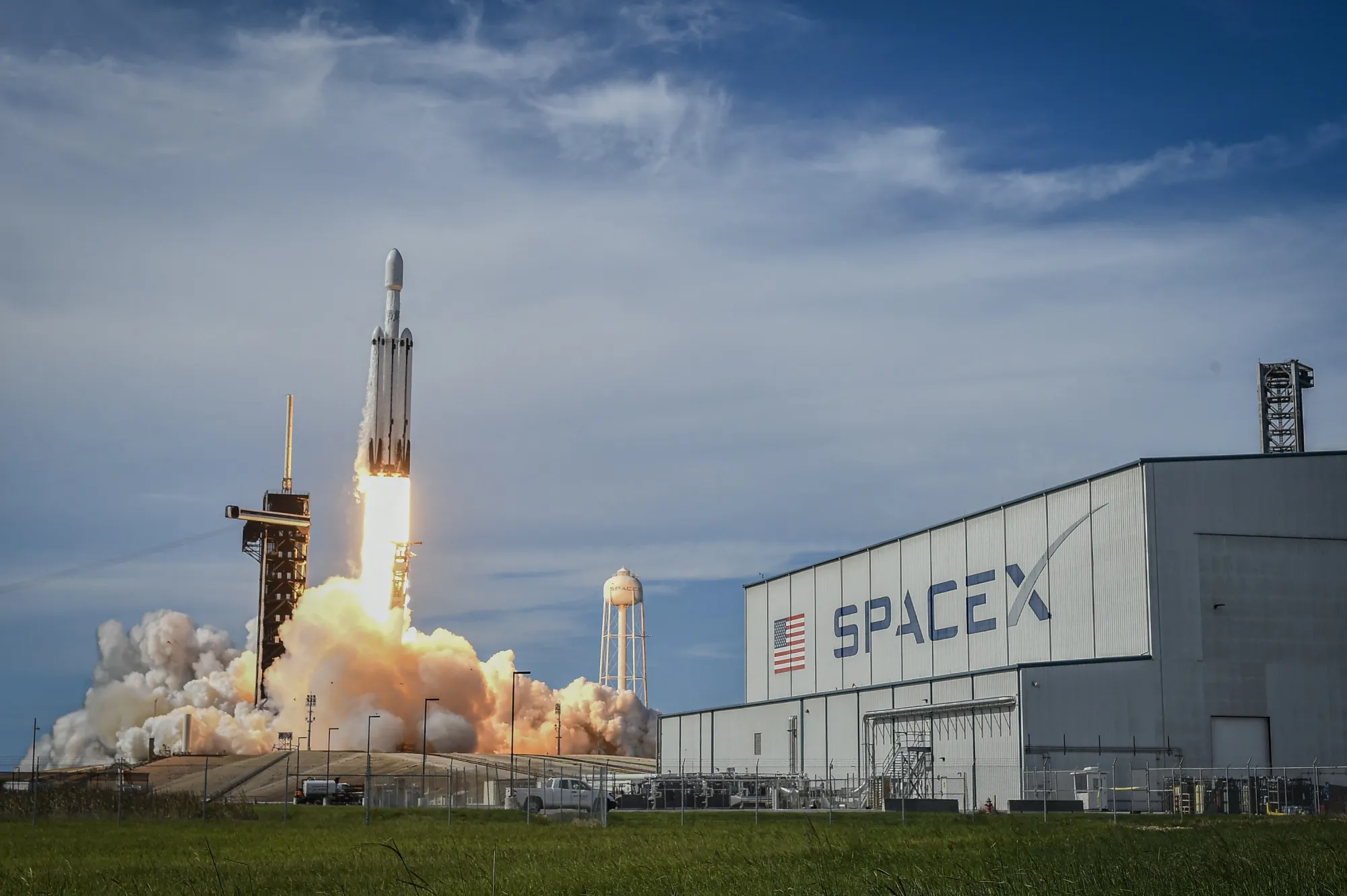
SpaceX has filed an S-1 registration statement with the US Securities and Exchange Commission, formally launching the most-anticipated technology IPO of 2026. The company is targeting a Nasdaq listing under ticker SPCX, with pricing expected on June 11 or 12 at a valuation between $1.5 trillion and $1.75 trillion.
The filing in numbers
The S-1 discloses Falcon 9, Falcon Heavy, Dragon and Starlink revenue lines and breaks Starlink out as a reportable segment for the first time, with subscriber and ARPU disclosures by region. SpaceX’s most recent secondary tenders had implied a private valuation north of $400 billion, making the new range a step-change premium predicated on Starlink’s recurring revenue and the Starship development arc.
Why now
The filing arrives just days before the company’s first Starship Version 3 test flight and after a record-setting Q1 in Falcon 9 launch cadence. SpaceX has been operating Starlink at scale for more than four years, accumulating the steady cash flows public-market investors require alongside the bigger swing-for-the-fences moonshots of Mars transit and the NASA Human Landing System.
Implications for the launch industry
An SPCX listing changes the financing logic for every commercial launch and satellite operator. Public-market access lets SpaceX accelerate Starlink V3 deployment and Starship throughput while shrinking the relative cost-of-capital advantage that private-market peers had enjoyed.

Use of proceeds and lockups
SpaceX has earmarked IPO proceeds for Starship production capacity at Starbase and Cape Canaveral, Starlink V3 satellite manufacturing in Bastrop, Texas, and laser-link upgrades. Existing insiders are subject to a tiered 180-day lockup, with Elon Musk’s personal stake limited to secondary participation.
Reporting based on SEC filings and DealRoom coverage.