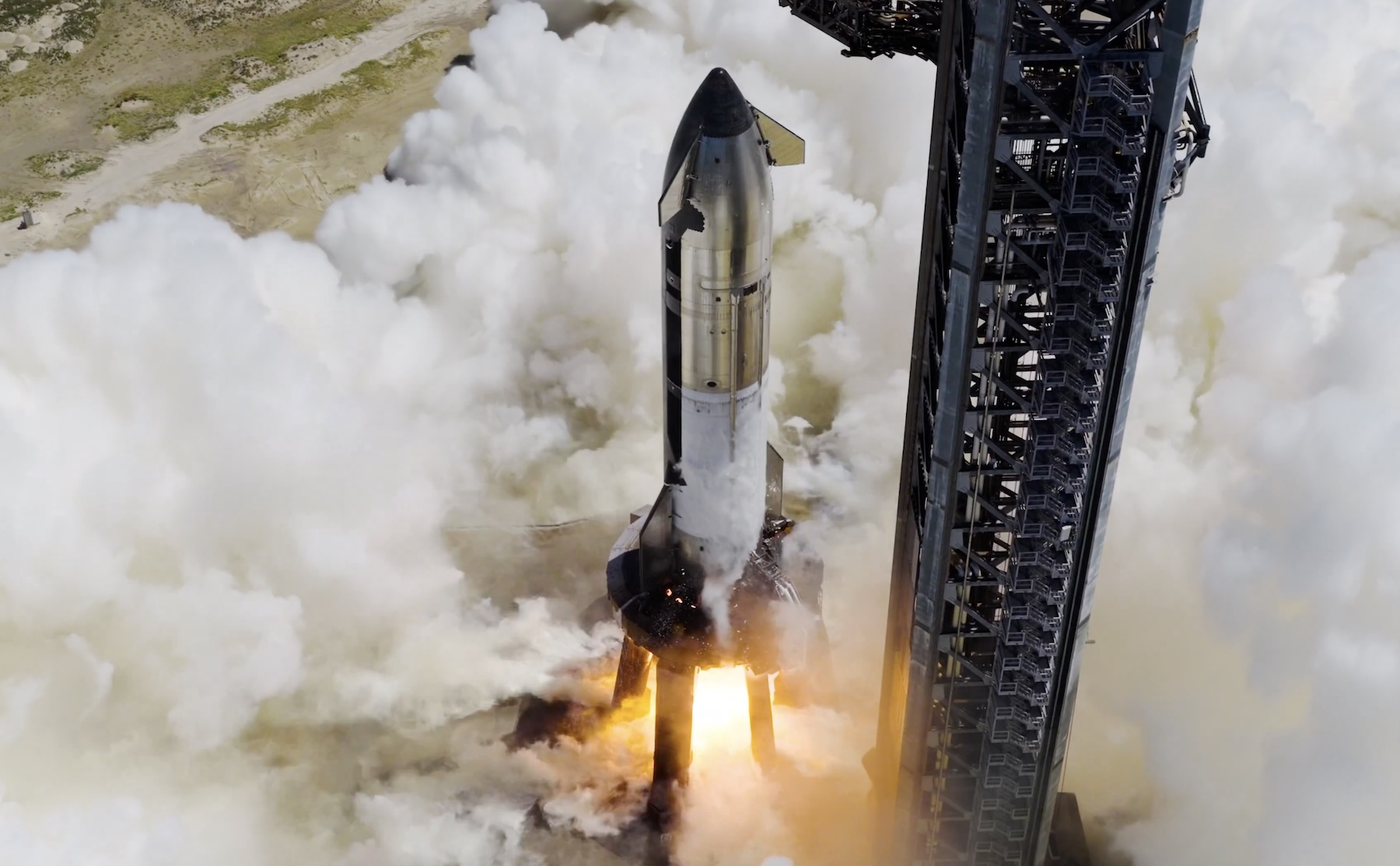
SpaceX flew the first Starship Version 3 on May 23, 2026, the largest and most powerful rocket the company has ever launched. The upgraded vehicle reached its planned splashdown zone in the Indian Ocean and deployed 20 mock Starlink satellites mid-flight before breaking up on impact.
What is new in Version 3
Starship V3 introduces a stretched second stage, additional Raptor engines, redesigned forward flaps and a refined heat-shield tile architecture. The new ship architecture is the configuration NASA is counting on to land astronauts on the Moon under the Artemis program, with crewed landings dependent on demonstration of in-orbit propellant transfer.
Mission profile
The flight lasted roughly an hour, with the upper stage performing a payload deploy demonstration and a controlled re-entry test before splashing down. SpaceX engineers reported some engine anomalies during ascent that will inform changes to the next vehicle, but the flight successfully retired several critical V3 first-flight milestones.

Why this matters
The flight is the cornerstone of SpaceX’s Starlink V3 deployment plan and the Human Landing System contract. It also sets the stage for the company’s public-market debut: SpaceX filed its S-1 ahead of an SPCX listing just three days before launch.
What comes next
SpaceX is targeting another Starship V3 flight in the coming weeks, eyeing milestones for a tower catch of the second stage and a full in-orbit propellant transfer demo. NASA Artemis program officials have publicly stated that landing demonstrations from a fully refueled Starship remain the gating item for the first crewed Moon return.
Reporting based on coverage from NPR and Spaceflight Now.