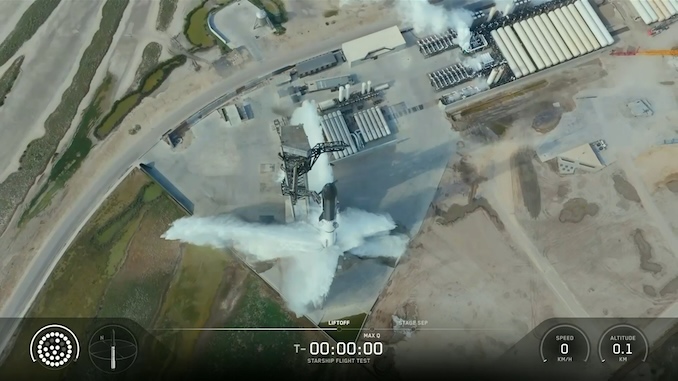
SpaceX aborted the launch of Starship Flight 13 at Starbase on Thursday evening, 16 July 2026, after four Raptor engines on the Super Heavy booster failed to ignite in the final seconds before liftoff. The suborbital mission would have been the second flight of the third-generation Starship stack and the first to carry production Starlink V3 satellites.
A Last-Second Automated Abort
Booster 20 reached ignition at 5:45 p.m. CDT (2245 UTC) at Pad 2, but on-screen telemetry showed four engines that did not start as planned. Elon Musk confirmed the anomaly on X within minutes: "Some of the engines didn't start, triggering an automatic launch abort. Next launch attempt hopefully in a few days." Neither Booster 20 nor Ship 40 sustained visible damage.
Starlink V3 Deployment Deferred
The flight was set to fly 20 production Starlink V3 satellites on the same suborbital trajectory as Starship, with the payloads planned to extend solar arrays, deploy antennas and briefly link with the wider constellation using high-capacity laser terminals before demising on reentry. That mission was postponed to the next attempt, which SpaceX said could come within days pending inspection.
Hardware Updates Since May's Flight 12
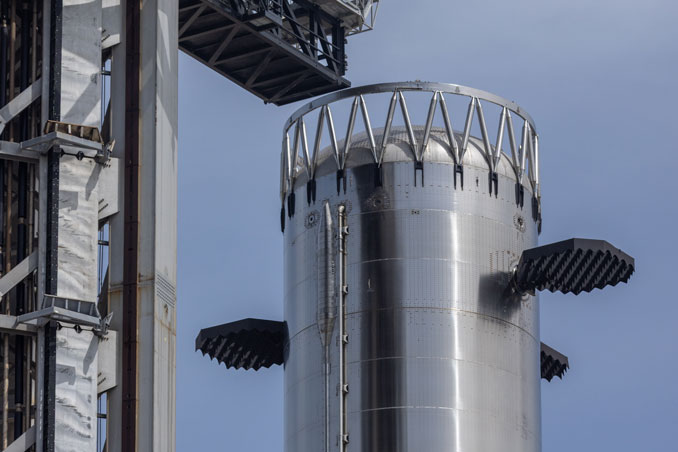
Following Flight 12 in May, SpaceX rolled out hardware and software changes on Super Heavy targeting engine relight reliability and abort thresholds, plus modifications to a Raptor Vacuum engine issue that occurred after stage separation on the earlier flight. The vehicle also gained new heat-shield attachment mechanisms and load-sensing tiles ahead of a possible orbital attempt on Flight 14, mirroring the pace Gwynne Shotwell outlined for a monthly cadence. Flight 13 is SpaceX's first mission since its Version 3 debut and its 33-engine static fire, and the abort will be scrutinised by newly public SPCX shareholders as NASA counts on Starship for the Artemis 3 rendezvous.
Reporting based on coverage from Spaceflight Now.