SpaceX Flies 81 Payloads on Transporter-17 With Korea's CAS500-4
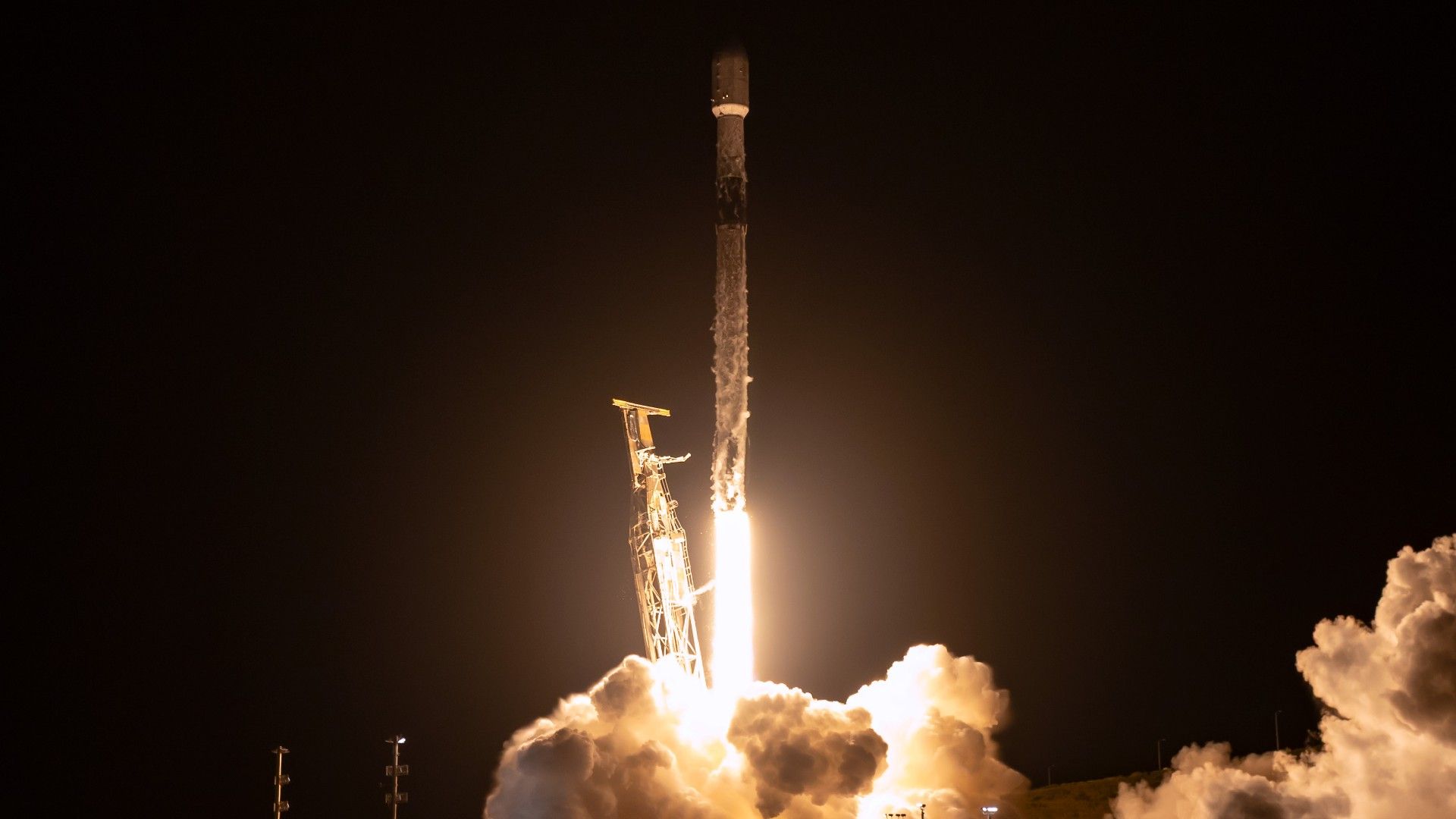
SpaceX launched 81 payloads — including South Korea's CAS500-4 Earth-observation satellite — on the 17th Transporter rideshare mission from Vandenberg early Tuesday.
Key Takeaways
SpaceX launched Transporter-17, its 17th dedicated rideshare mission, from Vandenberg at 3:12 a.m. EDT on July 7, 2026, carrying 81 payloads to sun-synchronous low Earth orbit.
The heaviest payload was South Korea's ~500 kg CAS500-4 Earth-observation satellite, the fourth of five planned in the Compact Advanced Satellite 500 constellation, deployed about 2.5 hours after liftoff.
Transporter-17 was the 79th Falcon 9 launch of 2026 and the year's largest rideshare, with cubesats, microsats, hosted payloads and orbital transfer vehicles carrying eight more satellites for later deployment.
The Falcon 9 booster completed its 11th flight, landing on the droneship Of Course I Still Love You in the Pacific about 8.5 minutes after launch.
Across 17 Transporter and four Bandwagon missions, SpaceX has delivered more than 1,800 spacecraft to orbit, competing with rivals like Rocket Lab and Isar Aerospace for smallsat rideshare business.
Kaan Tınmaz
SpaceX opened the week with its 17th dedicated Transporter rideshare mission, sending a Falcon 9 aloft from Vandenberg Space Force Base at 3:12 a.m. EDT on Tuesday, July 7, 2026, with 81 payloads bound for a sun-synchronous low Earth orbit.
A Rideshare Record-Book Regular
Transporter-17 is the 79th Falcon 9 launch of 2026 and the largest rideshare of the year to date. Its 81 payloads comprise cubesats, microsats, hosted payloads and orbital transfer vehicles carrying an additional eight satellites that will be deployed later. Across 17 Transporter and four Bandwagon rideshares, SpaceX has now delivered more than 1,800 spacecraft to Earth orbit — a franchise anchored by the record Transporter-1 mission that flew 143 satellites on a single Falcon 9 in 2021.
CAS500-4 Anchors the Manifest
The heaviest passenger on Transporter-17 is CAS500-4, a roughly 500 kg South Korean Earth-observation satellite that will join three predecessors already in low Earth orbit as the fourth member of the planned five-satellite Compact Advanced Satellite 500 constellation. CAS500-4 will supply South Korea's government with imagery for crop monitoring, forest management and disaster response. It was released nearly 2.5 hours after liftoff, well after the initial batch of small satellites began deploying at T+50 minutes.
Eleventh Trip for the Booster
The Falcon 9 first stage landed roughly 8.5 minutes after launch on the droneship "Of Course I Still Love You" in the Pacific Ocean — its 11th flight. The upper stage continued on to deploy the 81 payloads across a series of timed releases. Roughly 80 percent of SpaceX's 2026 flight cadence has been spent building out the Starlink constellation, but rideshare missions like Transporter-17 remain the primary low-cost route to orbit for small operators, a market SpaceX is still competing for against emerging rivals such as the newly Iridium-owning Rocket Lab, Isar Aerospace and space-based manufacturing customers like Besxar.
Reporting based on coverage from Space.com and SpaceX mission descriptions.
CAS500-4 is a roughly 500 kg South Korean Earth-observation satellite, the fourth member of the planned five-satellite Compact Advanced Satellite 500 constellation. It will provide the South Korean government with imagery for crop monitoring, forest management and disaster response.
How many payloads did Transporter-17 carry?
The mission carried 81 payloads, including cubesats, microsats, hosted payloads and orbital transfer vehicles that will later deploy an additional eight satellites. Deployments began at T+50 minutes, with CAS500-4 released nearly 2.5 hours after liftoff.
Did the Falcon 9 booster land successfully?
Yes. The first stage landed on the droneship Of Course I Still Love You in the Pacific Ocean roughly 8.5 minutes after launch, completing its 11th flight.
How significant is SpaceX's rideshare program overall?
Across 17 Transporter and four Bandwagon missions, SpaceX has delivered more than 1,800 spacecraft to orbit, anchored by 2021's record Transporter-1 mission with 143 satellites. Rideshares remain the primary low-cost route to orbit for small operators.