Spiro Robotics Wins FDA 510(k) Clearance for Spiro-VISTA Robotic Intubation
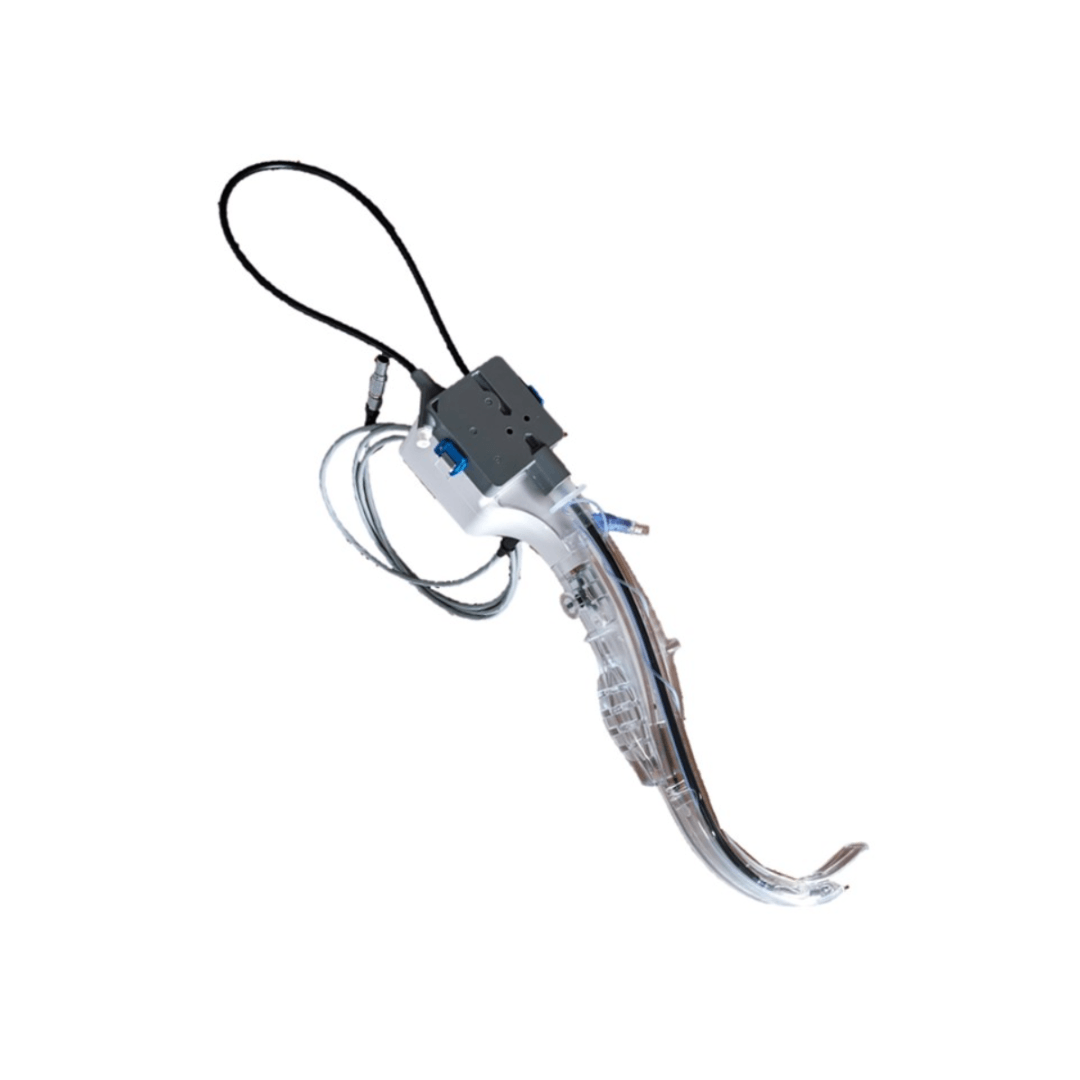
Spiro Robotics has secured FDA 510(k) clearance for Spiro-VISTA, the first handheld dual image-guided robotic system for adult tracheal intubation.
Key Takeaways
Spiro Robotics received FDA 510(k) clearance for Spiro-VISTA, the first handheld dual image-guided robotic system for adult tracheal intubation.
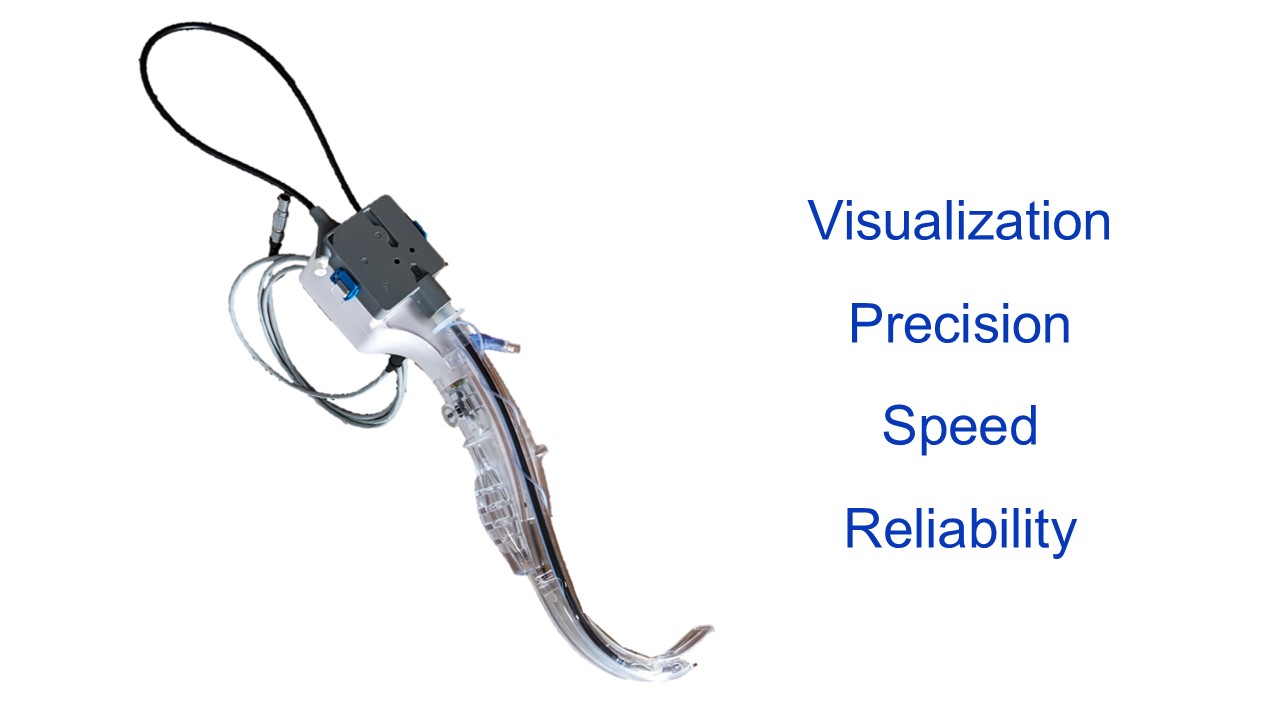
Spiro-VISTA combines panoramic video laryngoscopy with a servo-controlled flexible endoscope offering 360-degree articulation, and is indicated for both difficult and routine intubation in adult hospital patients.
In a first-in-human study of 30 patients, the device achieved a 100% first-attempt intubation success rate with no device-related adverse events.
CEO Dimitri Sokolov said the company will begin a limited commercial rollout through academic medical centers alongside a Series A financing.
Difficult intubations add roughly $2,000 in extra direct cost per case in the US and represent a market of more than 400,000 procedures per year, per studies cited by Spiro.
Kaan Tınmaz
Spiro Robotics, a San Francisco medical-device startup, has landed FDA 510(k) clearance for its Spiro-VISTA robotic intubation platform, the first handheld system to combine dual image guidance with a servo-controlled endoscope for adult tracheal intubation.
Cleared For Difficult And Routine Airways
The Video Intubation System for Total Access, or Spiro-VISTA, is indicated for both difficult and routine tracheal intubation in adult hospital patients. It merges panoramic video laryngoscopy with a flexible endoscope offering 360-degree articulation, giving anesthesiologists a wider view of the airway anatomy and full control of tube delivery above and below the vocal cords.
100% First-Attempt Success In First-In-Human Study
In Spiro's first-in-human study, the device achieved a 100 percent first-attempt intubation success rate across 30 patients with no device-related adverse events, the company said. Additional studies are planned in critically ill and complex surgical patients.
Series A And Commercial Launch On Deck
"FDA clearance moves Spiro Robotics from development into commercial launch," chief executive Dimitri Sokolov said in a statement, adding that the company is preparing a limited rollout through academic medical centers alongside a Series A financing. The platform could later expand into additional airway and endoscopic procedures.
Spiro-VISTA (Video Intubation System for Total Access) is a handheld robotic intubation platform from San Francisco startup Spiro Robotics that merges panoramic video laryngoscopy with a servo-controlled flexible endoscope with 360-degree articulation, giving anesthesiologists a wide airway view and full control of tube delivery above and below the vocal cords.
What patients is Spiro-VISTA cleared for?
The FDA 510(k) clearance covers both difficult and routine tracheal intubation in adult hospital patients, with further studies planned in critically ill and complex surgical patients.
How did Spiro-VISTA perform in clinical testing?
In Spiro's first-in-human study, the device achieved a 100% first-attempt intubation success rate across 30 patients with no device-related adverse events.
What are Spiro Robotics' next steps after FDA clearance?
The company plans a limited commercial launch through academic medical centers, is preparing a Series A financing, and may later expand the platform into additional airway and endoscopic procedures.