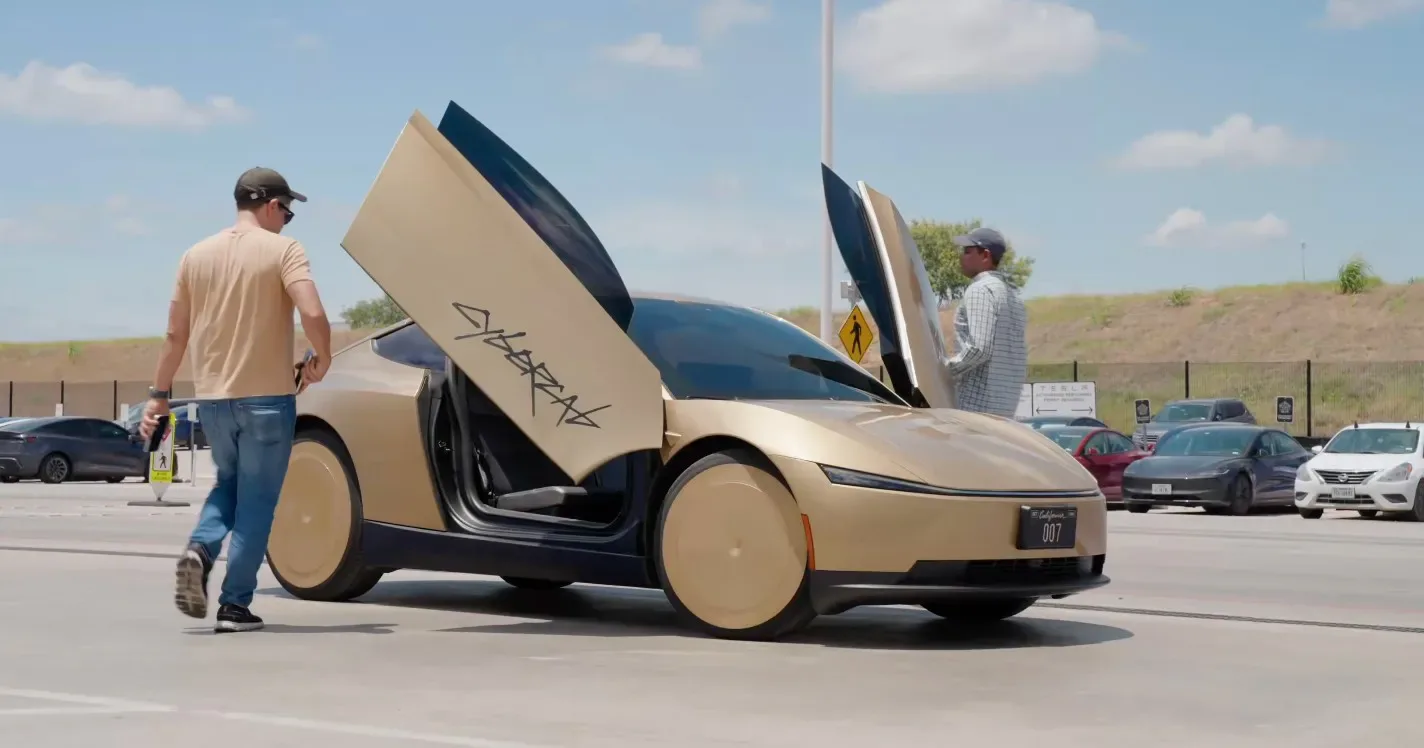
Tesla opened public Cybercab rides in Dallas on November 19, 2026, making it the second U.S. city, after Austin in early September, to get rides in the two-seat, purpose-built robotaxi that has no steering wheel or pedals, according to Teslarati. Model Y robotaxis, which do have manual controls as a fallback, have already been running in Dallas since April 2026.
How big is Tesla's robotaxi fleet in Texas now?
Texas has 1,507 Tesla vehicles registered for driverless operation with the state's Department of Motor Vehicles, and Cybercabs now account for 773 of them, or just over 51% of the total fleet. Tesla registered 200 additional Cybercabs and one Model Y on November 17 alone, its largest single-day registration jump to date. The vehicles are built at Gigafactory Texas and operate entirely on unsupervised Full Self-Driving software, with no safety driver aboard.
Why does the Cybercab launch matter more than another Model Y expansion?
Model Y robotaxis still have a steering wheel and pedals as a fallback, so a passenger or remote operator can theoretically intervene; Cybercab has neither, which makes it the clearer test of whether regulators and riders will accept a vehicle with zero manual override. Scaling a wheel-free design from one city to a second within roughly ten weeks is also a signal of how fast Tesla intends to move once a design clears its first market, especially with Gigafactory Berlin reportedly targeting production of 1 million Cybercabs a year starting in 2029. Competing robotaxi operators, including Waymo and Zoox, still rely on vehicles retrofitted from conventional cars rather than a ground-up design without manual controls.
How does this connect to Tesla's push to sell Cybercabs to individual owners?
Tesla separately opened personal Cybercab orders at $29,990 with a required $299 monthly Autonomy Subscription and a $1,000 deposit, targeting December deliveries in the same five Texas cities where Robotaxi already operates. The Dallas public-ride launch and the personal-ownership push are related but distinct tracks: the fleet-owned robotaxis generate ride revenue and real-world data today, while the ownership program is meant to eventually let customer-owned Cybercabs join the same dispatch network. Tesla is also now routing customers waiting during service visits into Robotaxi rides instead of offering Uber credits or loaner cars, a small but telling sign of how central the robotaxi fleet has become to daily operations.
What's next for Cybercab's rollout?
Tesla has not named additional cities beyond Dallas and Austin for Cybercab specifically, though the company's broader Robotaxi service, using Model Y vehicles with a safety supervisor in some markets, already spans Texas and Florida plus a supervised pilot in the San Francisco Bay Area. Given the roughly ten-week gap between Austin and Dallas, additional Cybercab cities before year-end are plausible but unconfirmed. The 1,507-vehicle Texas fleet and the pace of weekly DMV registrations will be the clearest public signal of how fast Tesla is actually scaling versus how fast it is announcing.